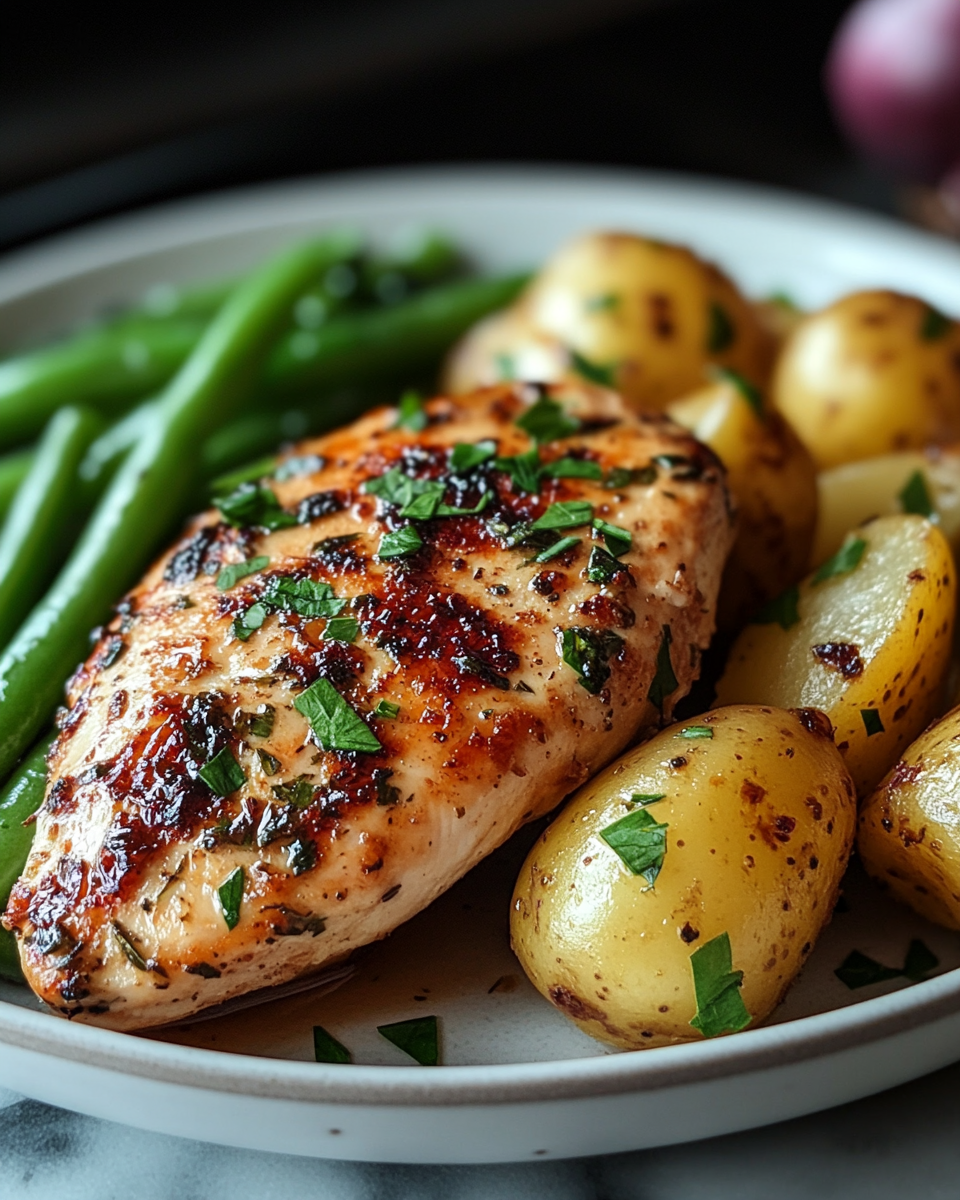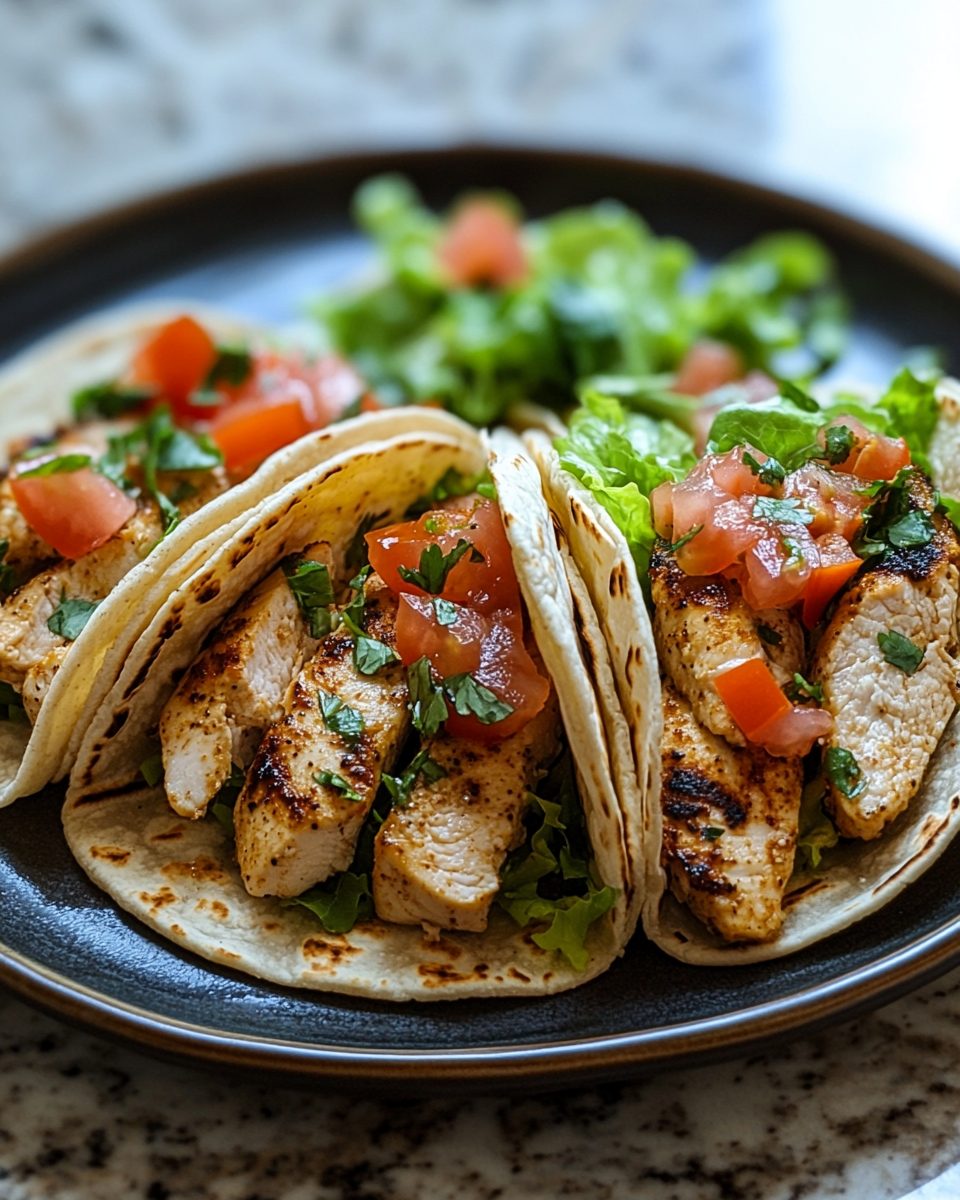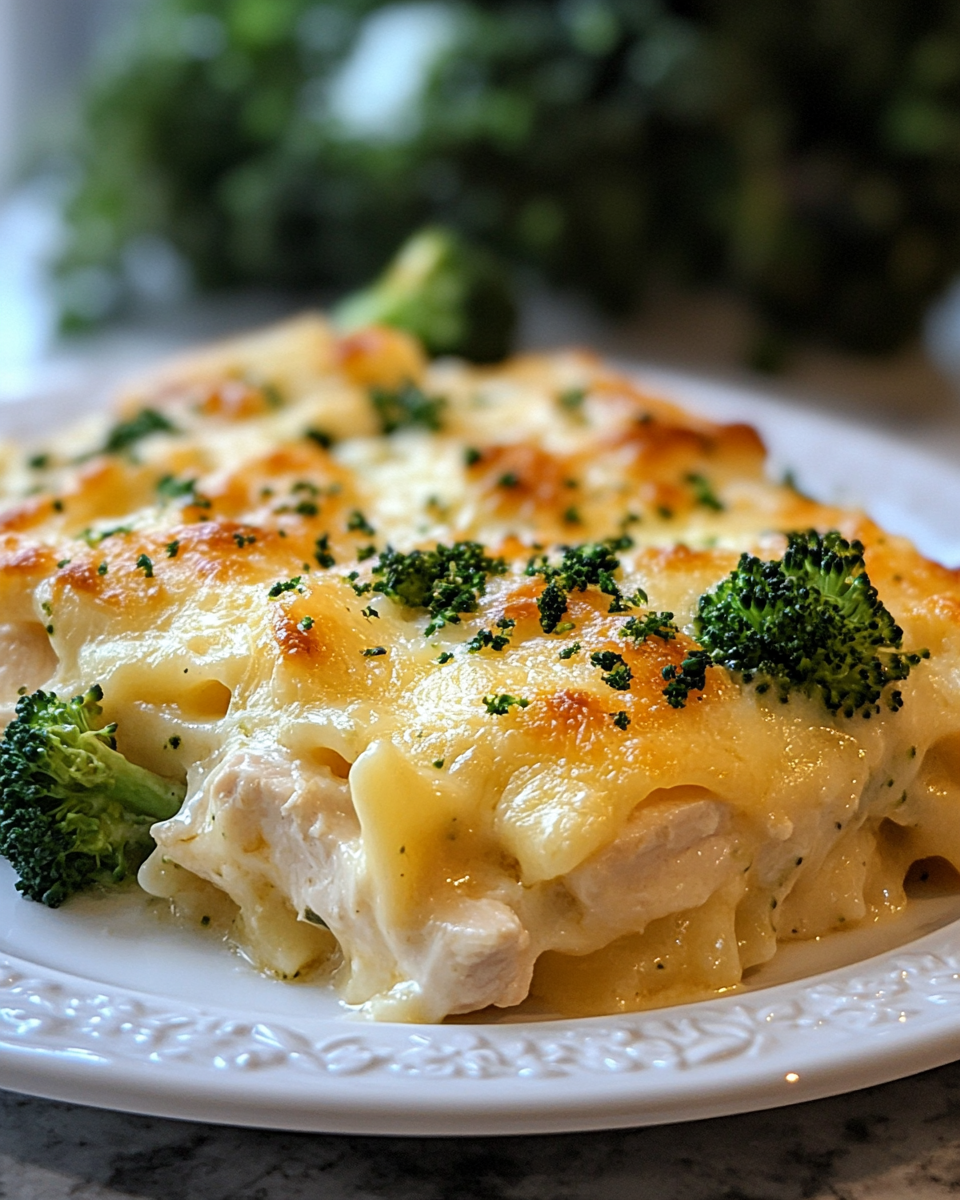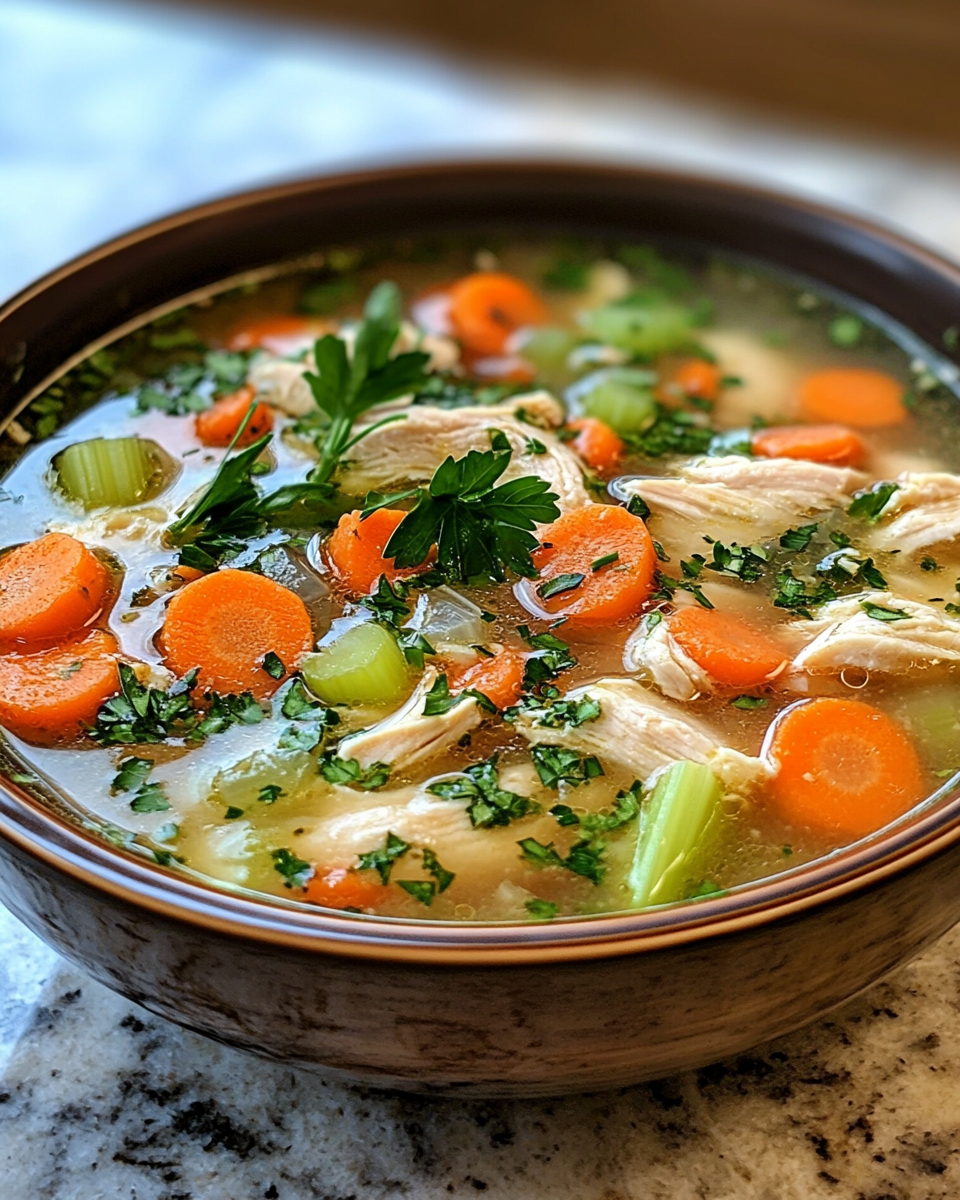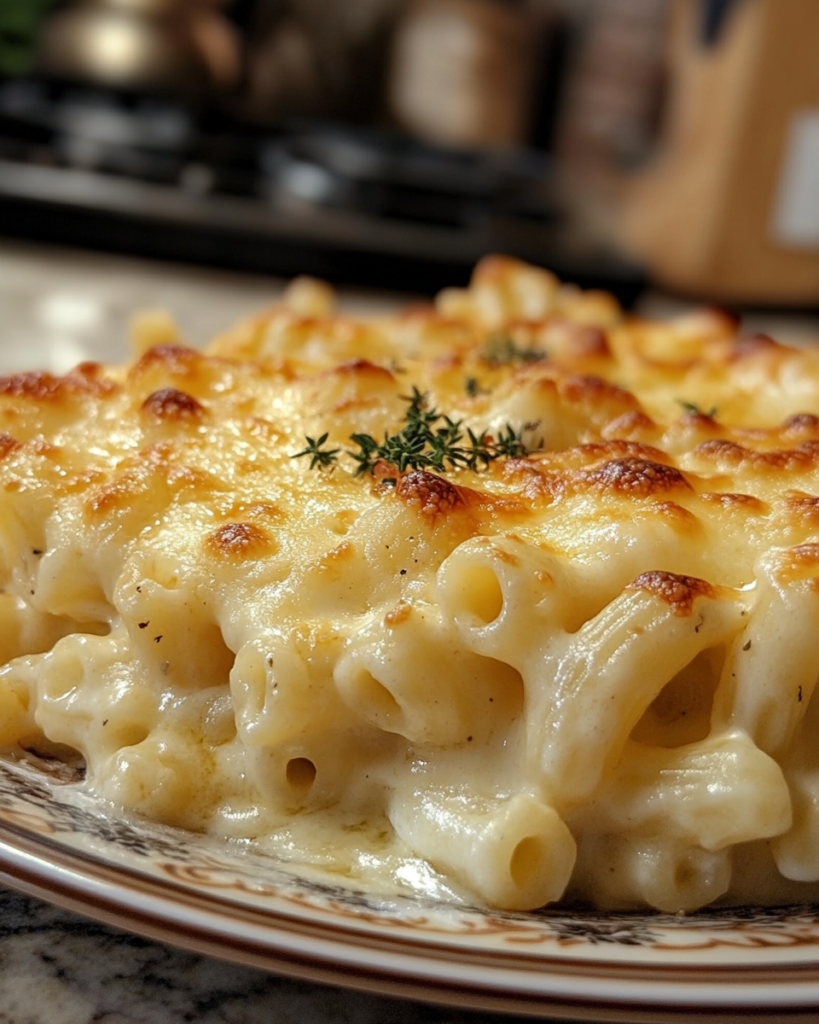
Creamy, baked pasta dishes have a special place on the dinner table, and mac and cheese casserole is one of the most comforting ways to enjoy them. This version brings together tender pasta, a rich cheese sauce, and a baked topping that adds a light crunch in every bite.
Unlike stovetop versions, this casserole-style dish holds its shape when served, making it ideal for gatherings, meal prep, or a simple family-style dinner. The oven baking step deepens the flavor and creates a golden surface that contrasts with the creamy interior.
Mac and cheese casserole is also flexible. It works as a main dish or a side, and it pairs well with roasted vegetables, salads, or baked proteins. With simple ingredients and a straightforward method, it delivers consistent results even for beginner home cooks.
Ingredients Overview
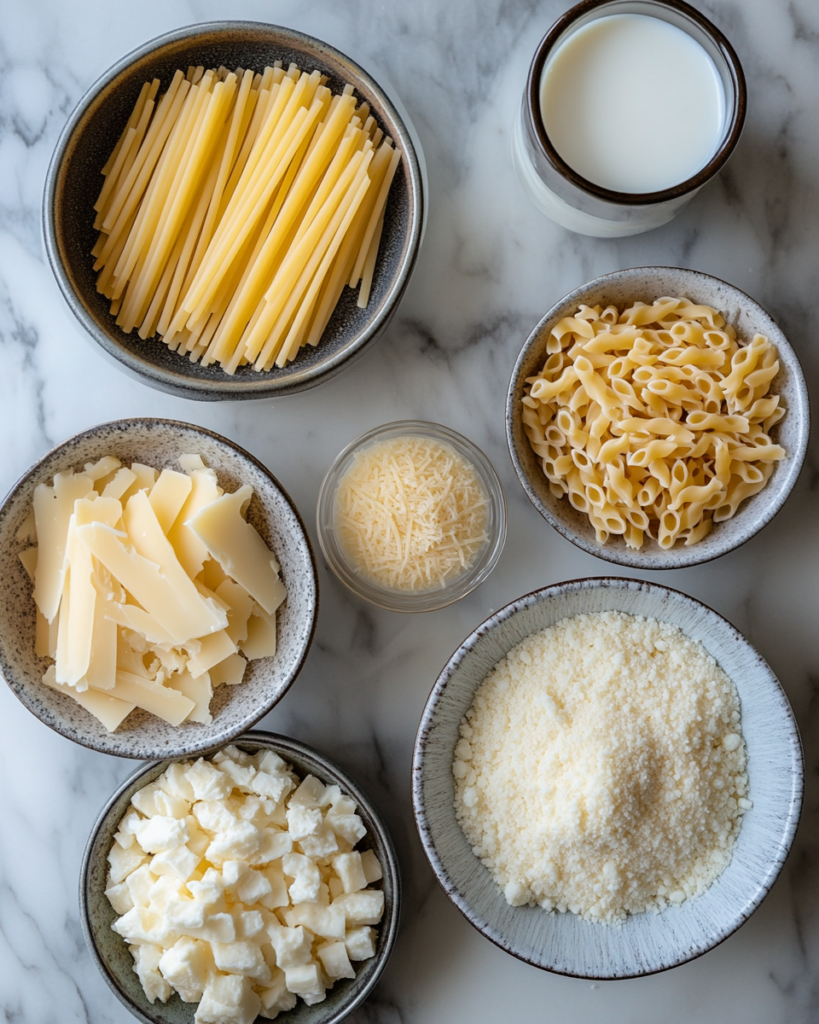
The foundation of mac and cheese casserole starts with pasta, typically elbow macaroni or similar short shapes that hold sauce well. These shapes help trap the cheese mixture so every bite stays creamy and balanced.
Cheese is the key element. A combination of sharp cheddar and a melting cheese like mozzarella or Monterey Jack creates both depth and smooth texture. Sharp cheddar adds bold flavor, while the milder cheese ensures the sauce stays creamy rather than grainy.
A butter-based roux thickens the sauce. Flour is cooked briefly in melted butter before milk is added, forming the base of the cheese sauce. This step is important because it helps the sauce stay stable during baking.
Milk or a mix of milk and cream gives the dish its creamy body. Whole milk works well, but adding a small amount of cream results in a richer texture. Seasonings such as salt, pepper, and a touch of garlic powder bring balance without overpowering the cheese.
For the topping, breadcrumbs mixed with melted butter add a light crunch. Some variations include extra cheese on top, which browns during baking and adds a slightly crisp layer.
Optional add-ins like cooked chicken, sautéed onions, or steamed broccoli can turn this casserole into a full meal without changing the base method.
Ingredients
12 ounces elbow macaroni
4 tablespoons butter
3 tablespoons all-purpose flour
3 cups whole milk
1 cup heavy cream
2 cups shredded sharp cheddar cheese
1 cup shredded mozzarella cheese
1 teaspoon salt
1/2 teaspoon black pepper
1/2 teaspoon garlic powder
1/2 teaspoon onion powder
1 cup breadcrumbs
2 tablespoons melted butter
1/2 cup grated parmesan cheese (optional for topping)
Step-by-Step Instructions
Start by heating a large pot of salted water until it reaches a steady boil. Add the macaroni and cook until just tender, usually a minute less than the package suggests. The pasta should still have a slight firmness because it will continue cooking in the oven.
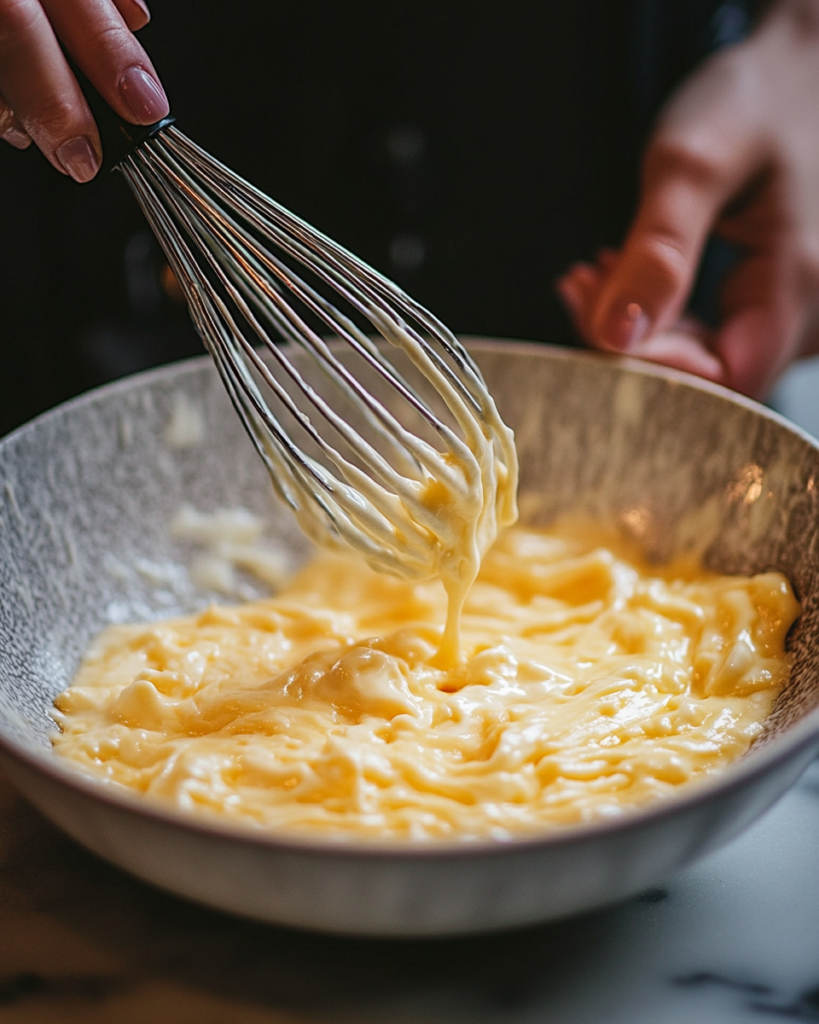
Drain the pasta and set it aside while you prepare the sauce. In the same pot or a separate saucepan, melt butter over medium heat. Once melted, whisk in the flour and cook for about one to two minutes. This creates a smooth base and removes the raw flour taste.
Slowly pour in the milk while whisking continuously. The mixture will begin to thicken as it heats. Add the cream and continue stirring until the sauce becomes smooth and slightly thickened, coating the back of a spoon.
Reduce the heat and add the shredded cheddar and mozzarella in small batches. Stir gently until the cheese melts fully into the sauce. Season with salt, pepper, garlic powder, and onion powder. Taste lightly and adjust seasoning if needed.
Combine the cooked pasta with the cheese sauce, stirring until every piece is coated. Pour the mixture into a greased baking dish and spread it evenly.
In a small bowl, mix breadcrumbs with melted butter. Sprinkle this mixture over the top of the casserole. If using parmesan cheese, add it on top of the breadcrumbs for an extra layer of flavor.
Place the dish in an oven preheated to 350°F (175°C). Bake for about 25 to 30 minutes, or until the top is golden and the edges are gently bubbling.
Remove from the oven and let it rest for a few minutes before serving. This resting time helps the casserole firm up slightly, making it easier to slice and serve.
Tips, Variations & Substitutions
For a deeper cheese flavor, try mixing different cheeses such as gouda, fontina, or provolone. Each adds its own character while keeping the sauce smooth and creamy.
If you prefer a lighter version, whole milk can be used without cream. The texture will still be rich, though slightly less dense.
To add protein, cooked chicken, turkey, or crispy bacon can be folded into the pasta before baking. This turns the casserole into a complete main dish without changing the base technique.
Vegetable additions such as steamed broccoli, peas, or sautéed mushrooms work well and blend easily into the cheese sauce.
For a stronger crust, increase the breadcrumb topping slightly or broil the casserole for a minute or two at the end of baking, watching closely to avoid burning.
Gluten-free pasta and gluten-free flour blends can be substituted for dietary needs without major changes to the method.
Serving Ideas & Occasions
Mac and cheese casserole works well as a main dish for casual dinners or as a side for roasted meats such as chicken, beef, or pork. Its creamy texture pairs nicely with crisp green salads or roasted vegetables.
It is also a common choice for gatherings, potluck meals, or holiday tables because it can be prepared ahead of time and baked just before serving. The dish holds its texture well, making it convenient for serving in portions.
For a simple meal, it can be served on its own with a light vegetable side. For a more complete spread, it pairs well with baked beans, grilled vegetables, or cornbread.
Nutritional & Health Notes
Mac and cheese casserole is rich in carbohydrates, fats, and protein, making it a filling dish. The pasta provides energy from carbohydrates, while the cheese and milk contribute protein and calcium.
The fat content comes mainly from cheese, butter, and cream. Adjusting the type and amount of dairy can slightly change the nutritional profile without affecting the overall structure of the dish.
Adding vegetables can increase fiber and micronutrients, creating a more balanced meal. Portion control is often the simplest way to enjoy this dish as part of a varied diet.
Because it is calorie-dense, it is often served in moderate portions alongside lighter sides such as salads or steamed vegetables.
FAQs
Can I prepare mac and cheese casserole ahead of time?
Yes, the casserole can be assembled in advance and stored in the refrigerator before baking. Prepare the pasta and cheese sauce, combine them, and place everything in the baking dish. Cover tightly and refrigerate for up to 24 hours. When ready to bake, add the breadcrumb topping and place it directly in the oven. You may need to add a few extra minutes to the baking time if the dish is cold from the refrigerator. This makes it a convenient option for planned meals or gatherings.
What cheese works best for this casserole?
Sharp cheddar is the most common choice because it provides strong flavor and melts well. It is often combined with mozzarella or Monterey Jack for a smoother texture. Gouda and fontina can also be used for added depth. Avoid cheeses that do not melt smoothly, as they can create a grainy texture. A blend of two or three cheeses usually gives the most balanced result in both flavor and consistency.
Can I make it without breadcrumbs?
Yes, the breadcrumb topping is optional. Without it, the casserole will still be creamy and rich, but it will lack the crunchy surface layer. If you prefer no breadcrumbs, you can top the dish with extra shredded cheese instead. During baking, the cheese will form a lightly browned surface that adds a different kind of texture while keeping the dish simple.
How do I keep the sauce from becoming grainy?
To prevent a grainy texture, melt the cheese over low heat and add it gradually to the sauce. Avoid overheating once the cheese is added, as high heat can cause separation. Using freshly shredded cheese instead of pre-shredded varieties also helps, since packaged cheese often contains anti-caking agents that affect melting. Stir gently and consistently for a smooth result.
Can I freeze mac and cheese casserole?
Yes, it can be frozen either before or after baking. For best results, freeze it without the breadcrumb topping. Wrap it tightly and store it for up to two months. When ready to use, thaw it in the refrigerator overnight and bake until heated through. If already baked, reheat in the oven until warm and the texture is restored.
What pasta shapes can I use besides macaroni?
Short pasta shapes such as penne, shells, rotini, or cavatappi work well. These shapes hold cheese sauce effectively and maintain structure during baking. Avoid long noodles like spaghetti or fettuccine, as they do not hold the sauce as evenly and can become difficult to serve in casserole form.
How do I prevent the casserole from drying out?
To keep the casserole creamy, avoid overbaking and ensure the sauce is slightly loose before going into the oven. The pasta absorbs some liquid during baking, so a slightly thinner sauce helps maintain moisture. Covering the dish loosely with foil during part of the baking time can also help retain creaminess, especially if reheating leftovers.