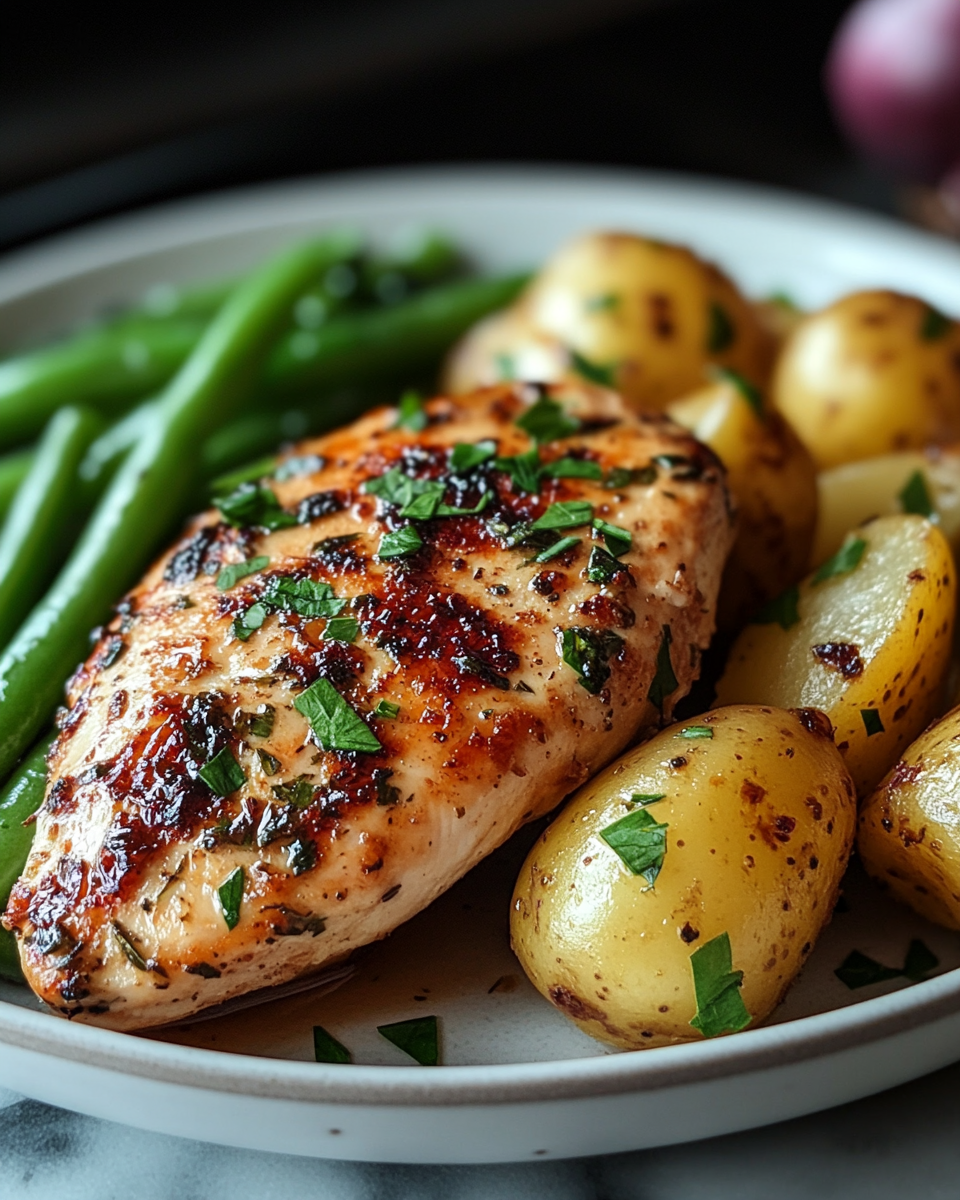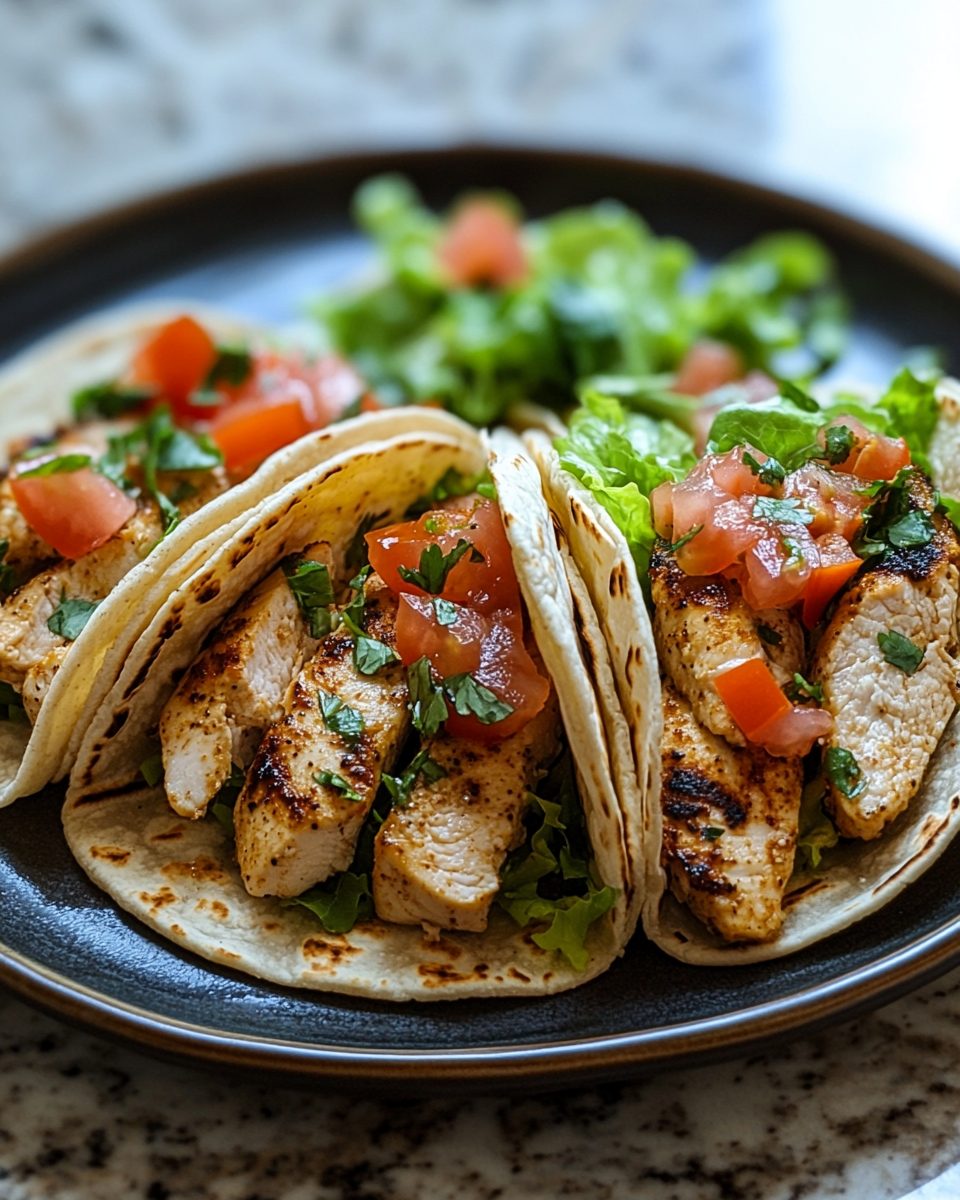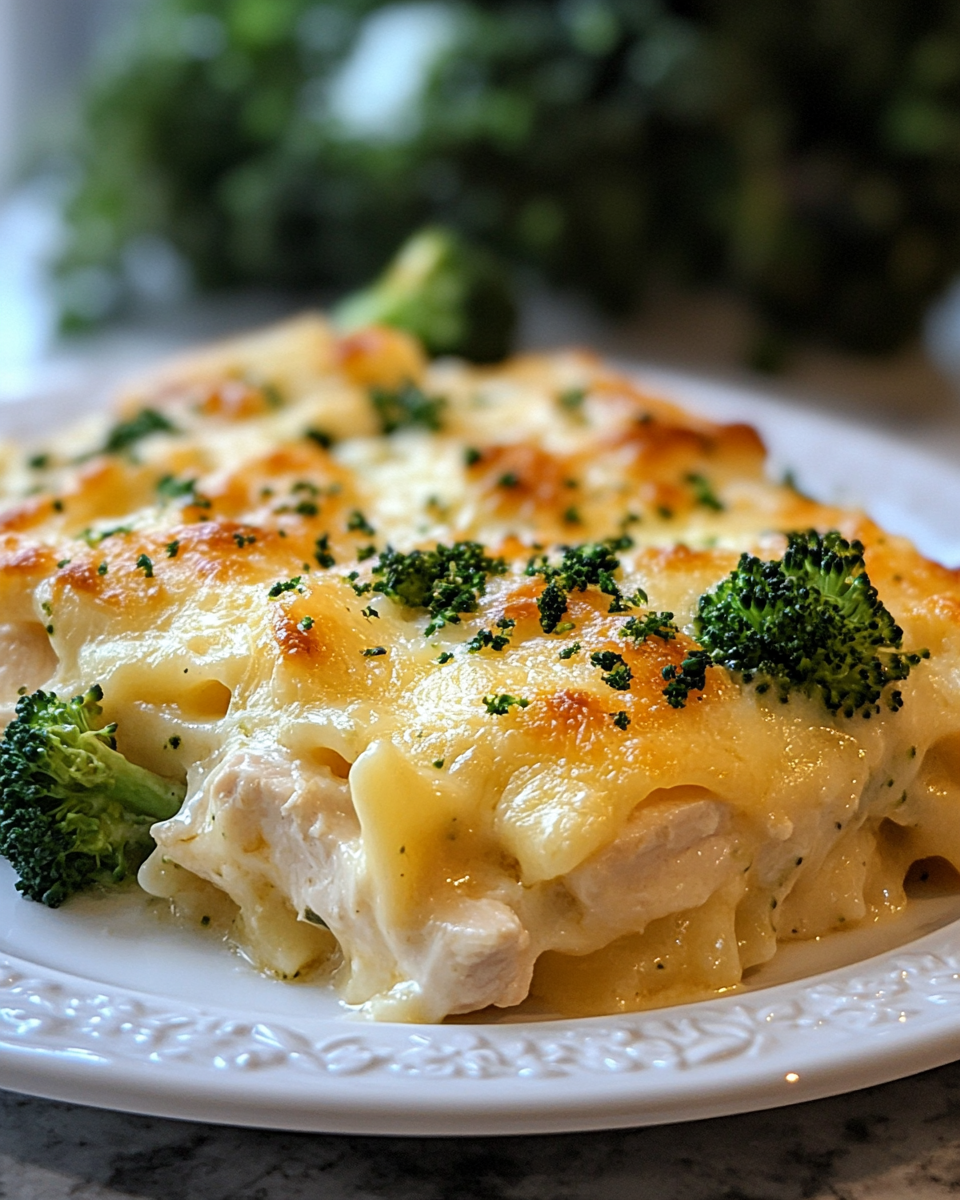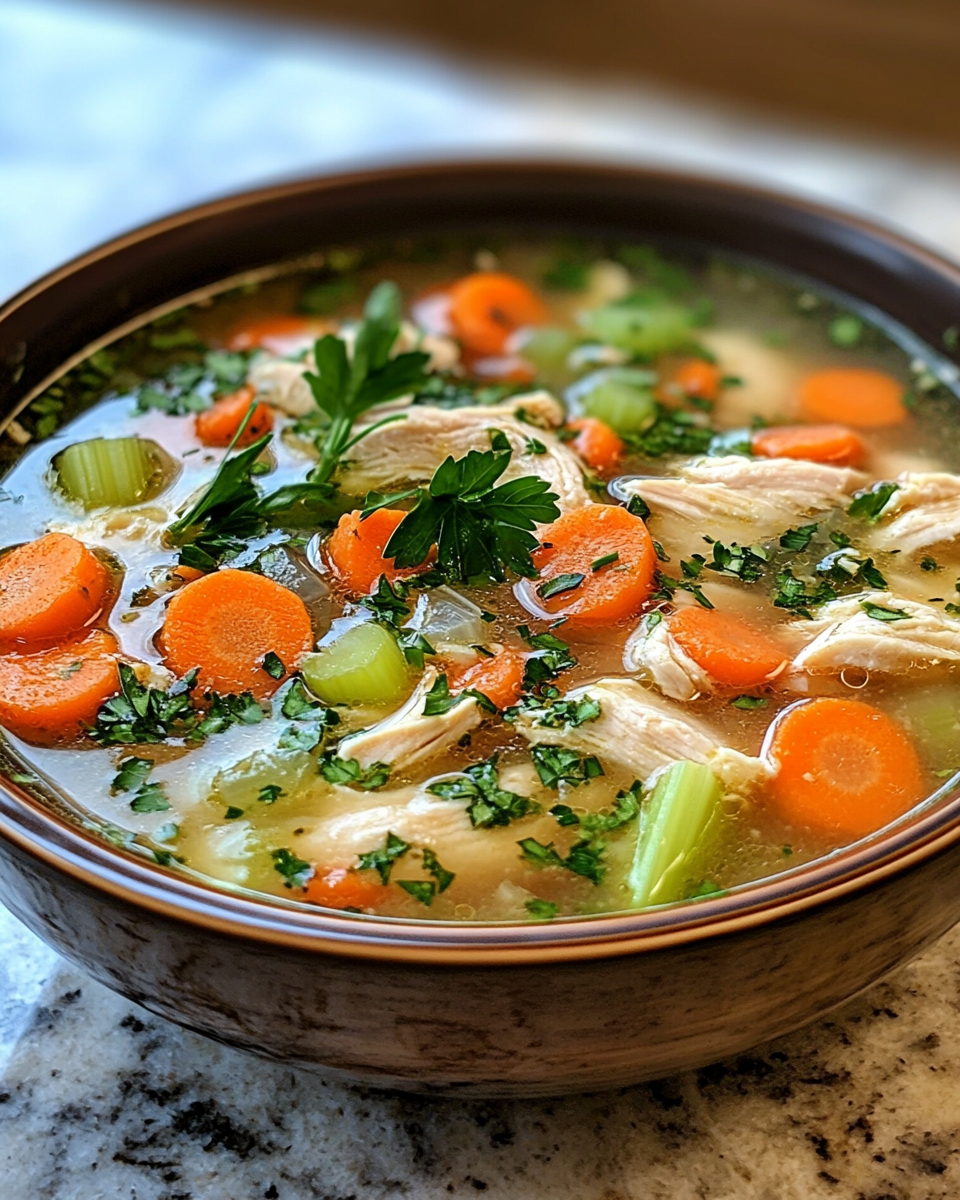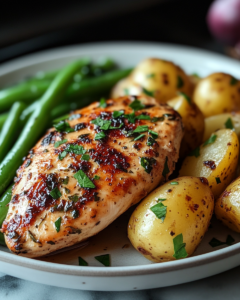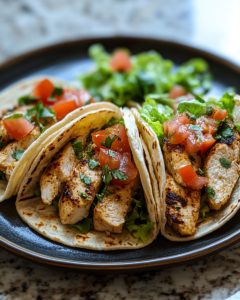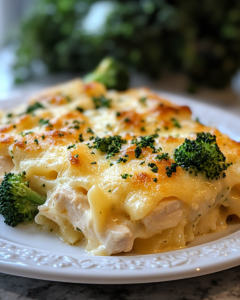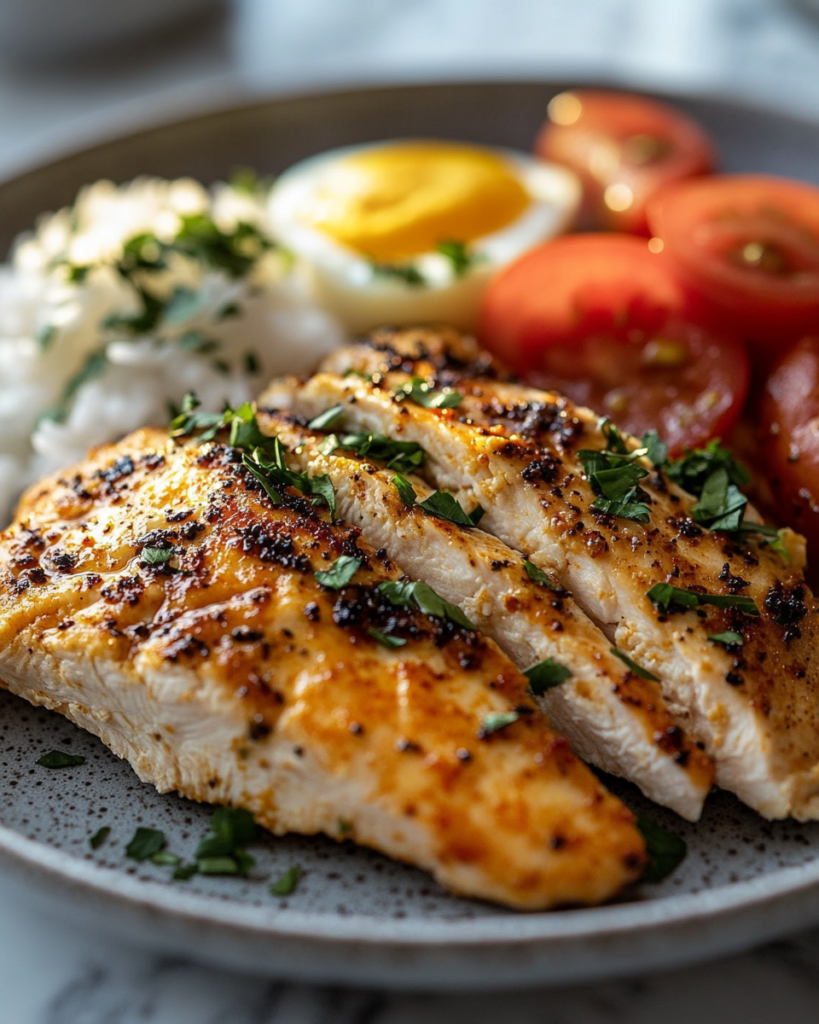
Chicken breast meal prep ideas focused on high protein intake are a practical way to prepare balanced meals for several days. This approach centers on lean chicken breast paired with vegetables, grains, and flavorful seasonings that hold up well in storage. It suits busy schedules while keeping meals structured and ready to eat.
Chicken breast remains a staple because of its mild taste, adaptable texture, and strong protein profile. When cooked correctly and portioned properly, it stays tender and works well across different flavor profiles such as herb-based, spicy, or slightly sweet marinades.
Meal prep using chicken breast also supports consistent eating habits. Preparing several portions at once reduces daily cooking time and helps maintain portion control. With the right methods, each container can taste fresh even after refrigeration.
This article presents structured meal prep ideas built around chicken breast, with clear ingredient planning, cooking steps, storage guidance, and serving suggestions that fit a variety of schedules.
Ingredients Overview
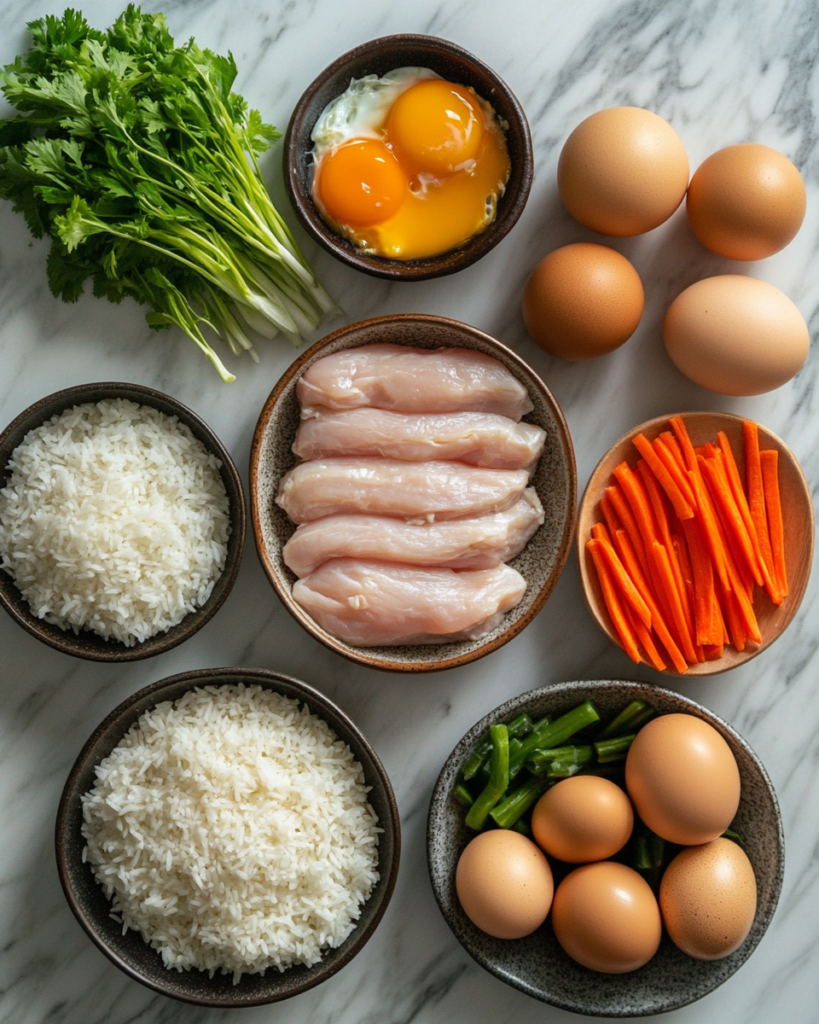
Chicken breast meal prep relies on a balance of protein, carbohydrates, fats, and seasoning elements. Chicken breast is the main protein source and works best when sliced evenly or kept whole depending on the recipe style. Even sizing helps each portion cook at the same rate, which supports consistent texture across multiple meals.
Common supporting ingredients include rice, quinoa, sweet potatoes, or whole grain pasta. These carbohydrate bases absorb flavor from sauces and seasonings while providing steady energy. Vegetables such as broccoli, bell peppers, zucchini, and spinach add color, texture, and fiber, making each container more balanced.
Seasonings play a key role in preventing bland results. Garlic, paprika, black pepper, onion powder, chili flakes, lemon juice, and dried herbs help create distinct flavor profiles without requiring complex preparation. Marinades made from olive oil, soy sauce, yogurt, or mustard-based blends can tenderize chicken while adding depth.
Healthy fats from olive oil, avocado, or nuts contribute richness and help with satiety. Sauce options such as light vinaigrettes, yogurt dressings, or tomato-based reductions can be stored separately to maintain texture.
Ingredient flexibility is important. Chicken breast can be swapped with turkey breast or firm tofu for variety, while grains can be replaced with cauliflower rice for a lower-carb approach. The combination of these elements creates structured, repeatable meals suitable for multiple days.
Ingredients
2 pounds chicken breast, boneless and skinless
2 tablespoons olive oil
1 tablespoon lemon juice
2 teaspoons garlic powder
1 teaspoon onion powder
1 teaspoon smoked paprika
1 teaspoon dried oregano
1 teaspoon salt
1/2 teaspoon black pepper
3 cups cooked brown rice
2 cups broccoli florets
1 red bell pepper, sliced
1 zucchini, sliced
1 cup cherry tomatoes
1 cup spinach leaves
1/2 cup low-sodium soy sauce
2 tablespoons plain yogurt
1 tablespoon honey
1 tablespoon Dijon mustard
1 tablespoon apple cider vinegar
Step-by-Step Instructions
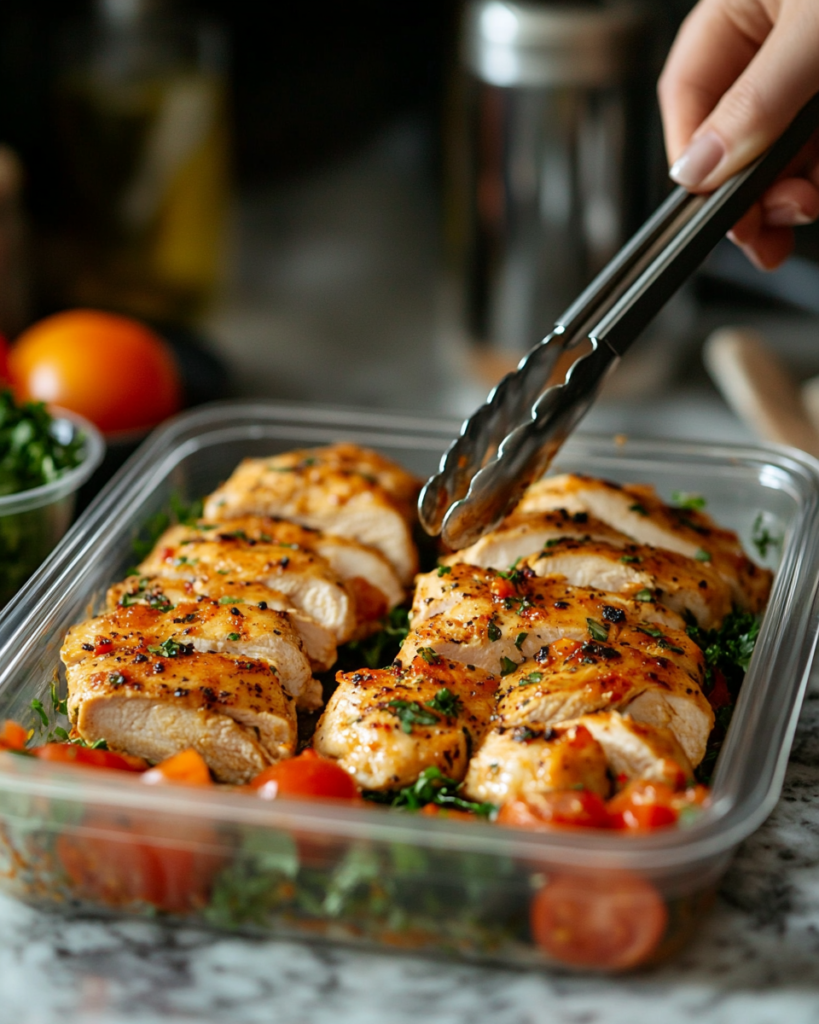
Start by preparing the chicken breast. Trim excess fat and slice each piece into even portions. Uniform thickness helps ensure consistent cooking. Place chicken in a bowl and add olive oil, lemon juice, garlic powder, onion powder, paprika, oregano, salt, and black pepper. Mix until every piece is coated evenly. Allow the chicken to rest in the seasoning mixture for about 20 to 30 minutes.
Heat a large skillet over medium heat. Add a small amount of olive oil and place chicken pieces in a single layer. Cook for about 5 to 7 minutes per side depending on thickness. The surface should develop a light golden color while the inside remains tender and fully cooked. Avoid overcrowding the pan to maintain even browning.
While the chicken cooks, prepare the vegetables. Steam broccoli until slightly tender but still firm. Lightly sauté bell pepper, zucchini, and spinach in a separate pan for a few minutes until just softened. This keeps texture intact during storage.
Prepare the grain base by portioning cooked brown rice into meal containers. Spread it evenly at the bottom of each container to create a stable foundation for toppings.
Once the chicken is cooked, allow it to rest for a few minutes before slicing. Resting helps retain moisture and improves texture. Slice chicken into strips or cubes depending on serving preference.
Assemble each meal container by layering rice, vegetables, and chicken. Divide portions evenly to maintain consistency across all meals. Add cherry tomatoes for freshness and color.
For sauces, whisk soy sauce, yogurt, honey, mustard, and apple cider vinegar in a small bowl until smooth. Store separately in small containers to keep textures fresh until serving.
Seal containers and refrigerate once cooled. Meals remain ready for several days and can be reheated as needed.
Tips, Variations & Substitutions
Chicken breast can dry out if cooked too long, so monitoring internal texture is important. Removing it from heat as soon as it reaches full doneness helps preserve juiciness. Slicing after resting also helps retain moisture.
Flavor variety can be created by changing seasoning blends. A citrus-herb version works well with lemon zest and parsley, while a spicier version can include chili powder and cayenne pepper. A soy-ginger variation pairs well with rice and stir-fried vegetables.
Grain bases can be adjusted based on preference. Quinoa offers a slightly nutty flavor, while couscous provides a softer texture. For lower carbohydrate options, cauliflower rice or extra vegetables can be used.
Protein alternatives such as turkey breast or firm tofu can replace chicken while maintaining similar meal structure. These options still support batch cooking and storage.
For storage, using airtight containers helps maintain freshness. Keeping sauces separate prevents sogginess and preserves texture across several days.
Serving Ideas & Occasions
Chicken breast meal prep containers work well for midday meals, evening meals, or post-activity refueling. They are often used in structured weekly meal planning due to their consistency and ease of storage.
Pairing options include fresh salads, roasted vegetables, or light soups. A side of fruit can also complement the savory profile of the chicken and grains.
These meals fit well into work schedules, school routines, or travel planning where access to cooking is limited. They can also be reheated quickly, making them suitable for short breaks.
Beverage pairings such as water infused with lemon, herbal tea, or lightly flavored sparkling water complement the meal without overpowering its flavor.
Nutritional & Health Notes
Chicken breast is a lean protein source that supports muscle maintenance and general satiety. It contains minimal fat while providing a strong amount of protein per serving, making it a common choice for structured meal planning.
When combined with whole grains and vegetables, the overall meal becomes more balanced. Carbohydrates from rice or quinoa provide steady energy, while vegetables contribute fiber and micronutrients.
Healthy fats from olive oil and sauces contribute flavor and support absorption of fat-soluble nutrients. Portion balance is important to maintain energy levels throughout the day without excess intake.
Meal prep also supports consistent eating patterns, which can assist in maintaining structured daily nutrition habits.
FAQs
What makes chicken breast suitable for meal prep?
Chicken breast works well for meal prep because it cooks quickly, holds seasoning effectively, and stores well in refrigeration. Its lean structure allows it to pair with a wide range of ingredients such as grains, vegetables, and sauces. When cooked properly and portioned evenly, it maintains texture for several days, making it practical for structured weekly planning.
What is the best way to keep chicken breast tender after cooking?
Keeping chicken breast tender depends on cooking time and resting. Cooking over medium heat and removing it as soon as it is fully done helps prevent dryness. Allowing it to rest before slicing helps retain internal moisture. Storing it in airtight containers with a small amount of sauce or broth also helps maintain softness during refrigeration.
Can different seasonings be used for variety?
Different seasoning blends can be used to create variety across multiple meal prep portions. Options include garlic herb, smoky paprika, lemon pepper, or soy-ginger blends. Each seasoning profile changes the overall flavor experience while using the same base ingredients. Rotating seasonings throughout the week helps prevent repetitive taste while maintaining structure.
What vegetables work well with chicken breast meal prep?
Vegetables that hold texture after cooking work best, such as broccoli, bell peppers, zucchini, and carrots. Leafy greens like spinach can also be used but are best lightly cooked or added fresh before serving. These vegetables provide color, fiber, and balance to each meal container while pairing well with rice or quinoa bases.
How long can chicken breast meal prep be stored?
Properly stored chicken breast meal prep can last several days in refrigeration when kept in sealed containers. Cooling the food before sealing helps maintain quality. Keeping sauces separate also helps preserve texture. Reheating should be done evenly to maintain flavor and consistency across all components.
Can chicken breast be replaced with other proteins?
Chicken breast can be replaced with turkey breast, lean beef, or plant-based options such as tofu or tempeh. Each alternative maintains a similar structure for meal prep while offering different flavor profiles. Cooking methods remain similar, though seasoning may need adjustment based on the chosen protein.
What is the best way to reheat chicken breast meal prep meals?
Reheating can be done using a microwave or stovetop. Adding a small amount of water or sauce before heating helps maintain moisture. Heating in short intervals allows for even warming without drying out the chicken. Stirring halfway through reheating ensures consistent temperature across all ingredients.