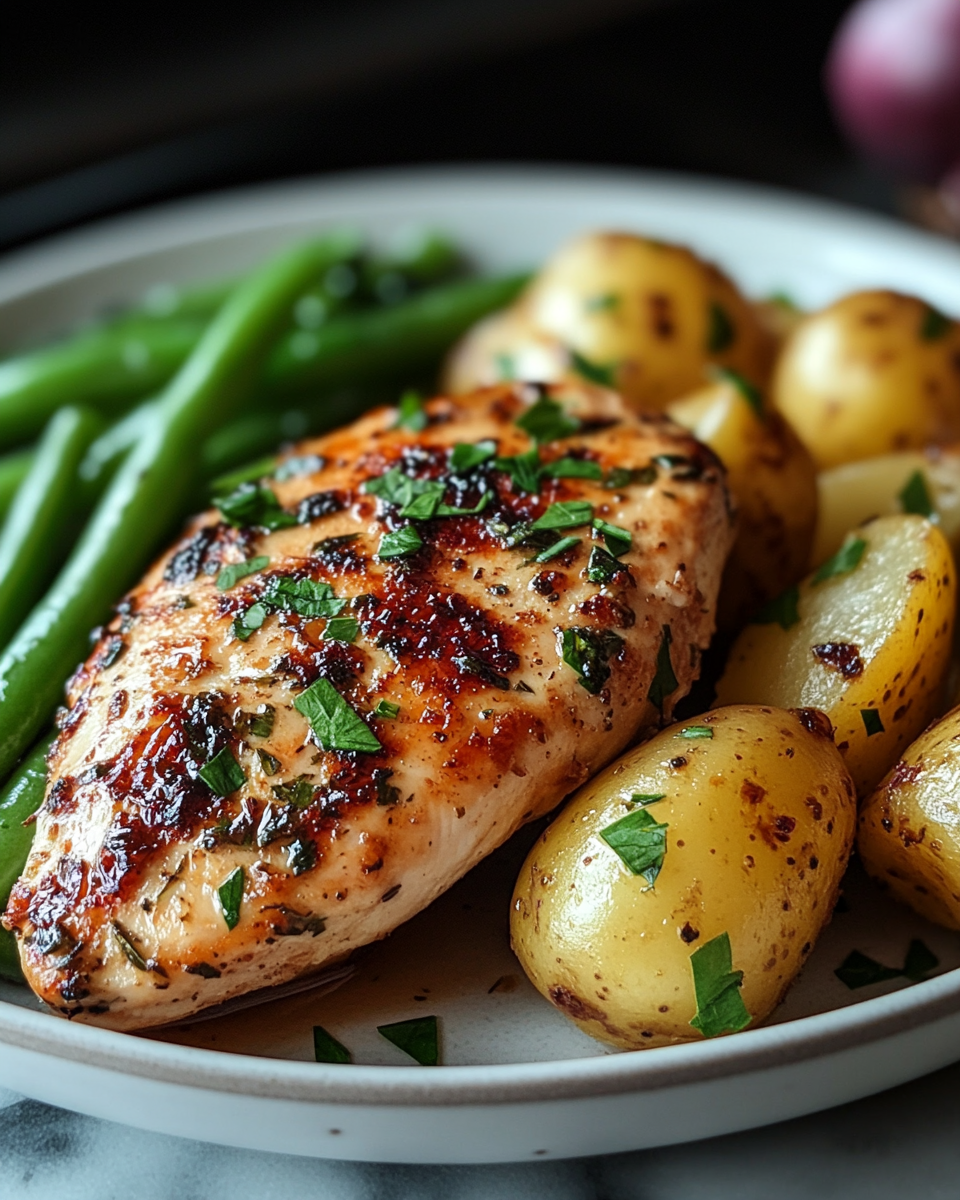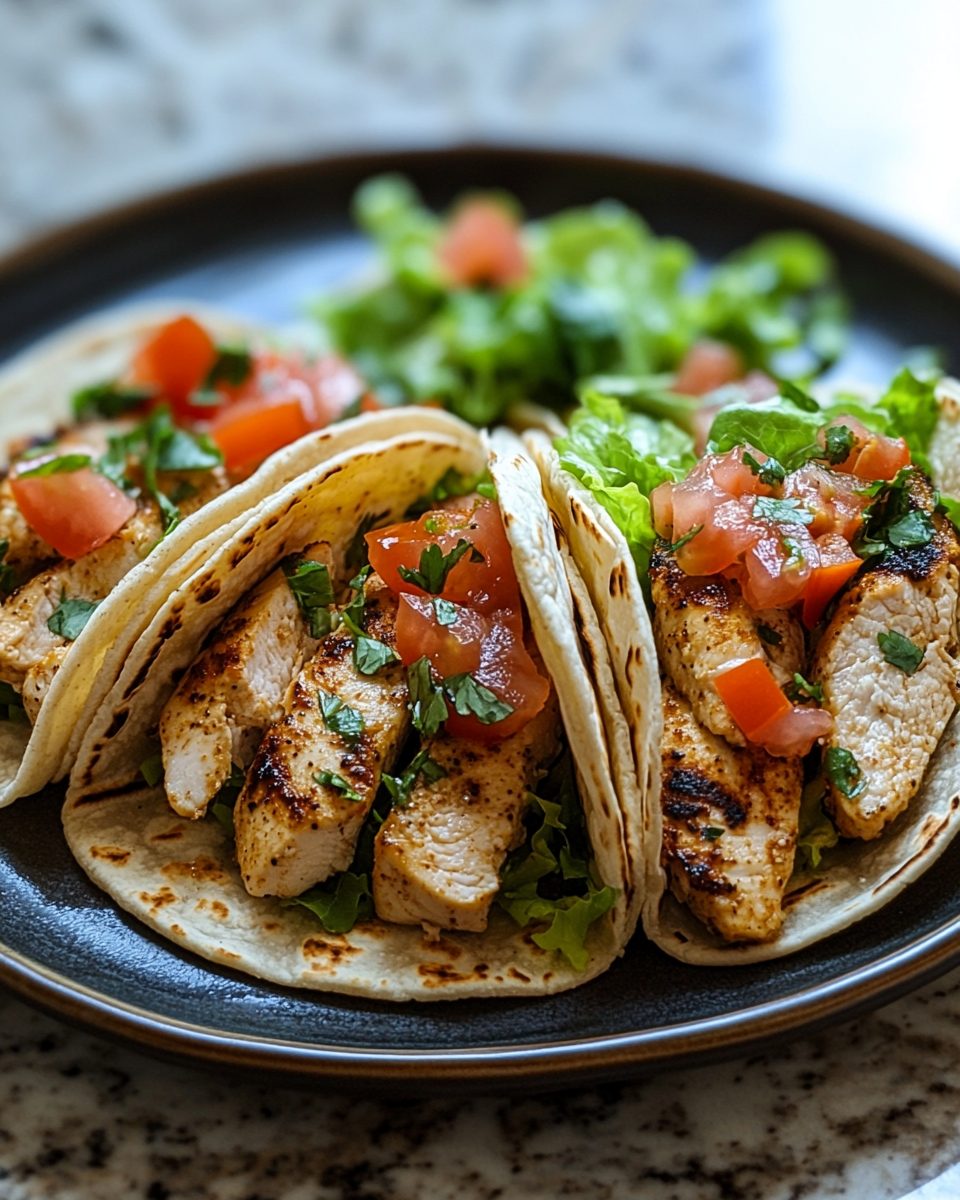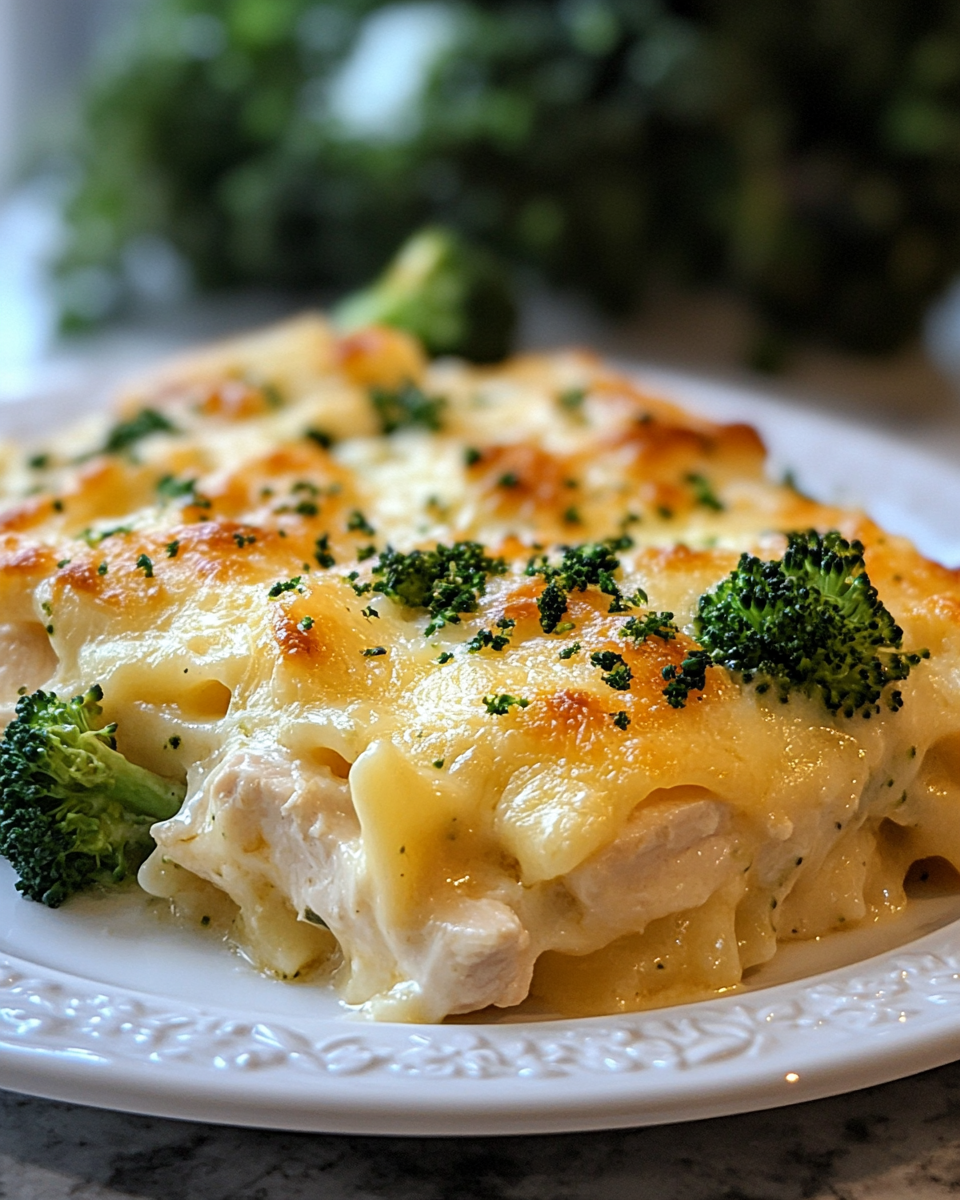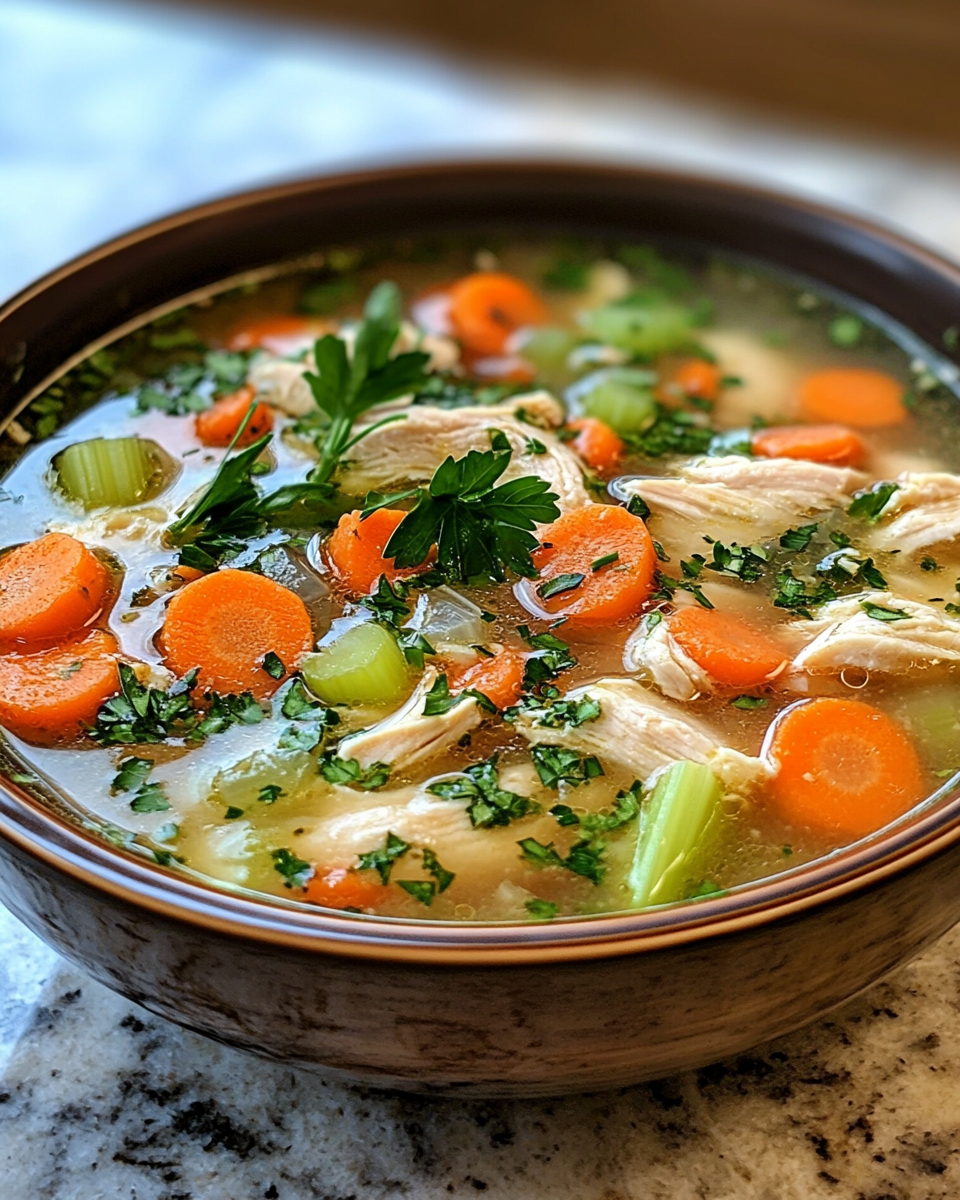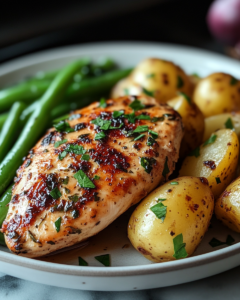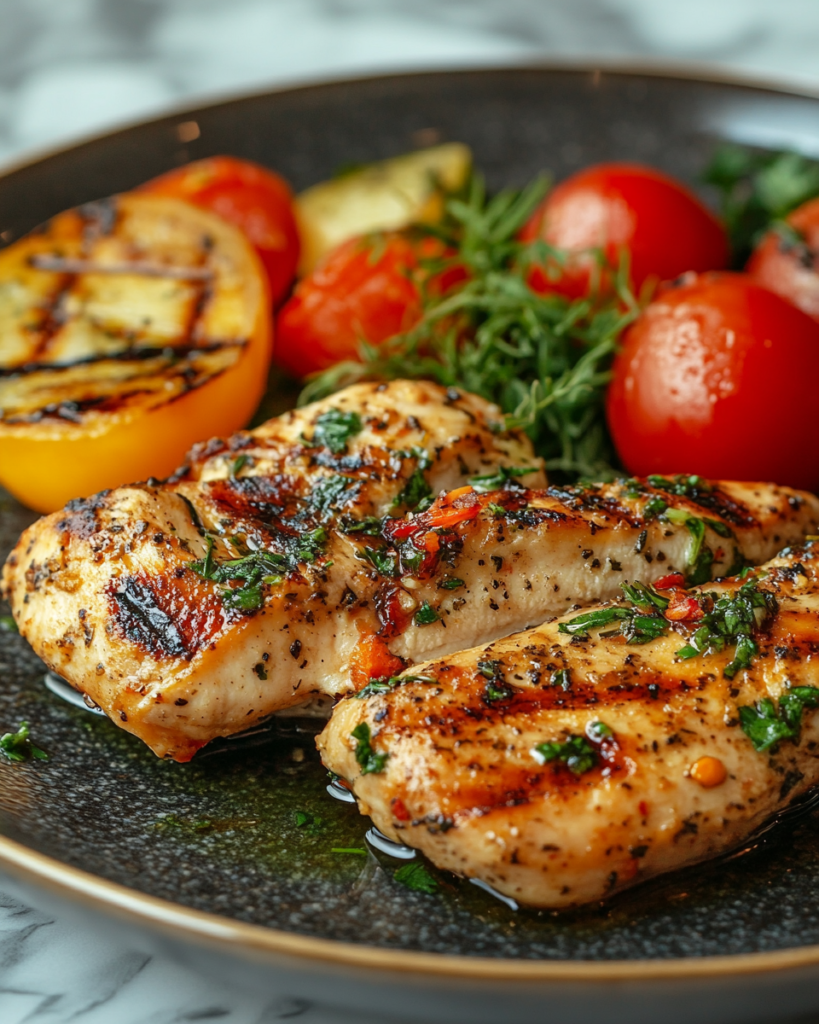
A Healthy Grilled Chicken Breast Meal brings together lean protein, balanced seasoning, and careful grilling technique for a nourishing plate that fits many eating styles. This dish centers on juicy chicken breast prepared with a light marinade and finished over steady heat for a clean, satisfying profile.
Each portion delivers protein-rich support alongside vegetables and grains that complement texture and flavor. The focus stays on balanced cooking methods that preserve moisture while building a lightly charred surface. This approach keeps the dish versatile for weekly planning, lunch boxes, or relaxed evening plates.
Grilled chicken breast remains a staple for structured eating patterns because of its adaptability. With the right preparation steps and timing control, the final result avoids dryness and maintains tenderness throughout each bite.
Ingredients Overview
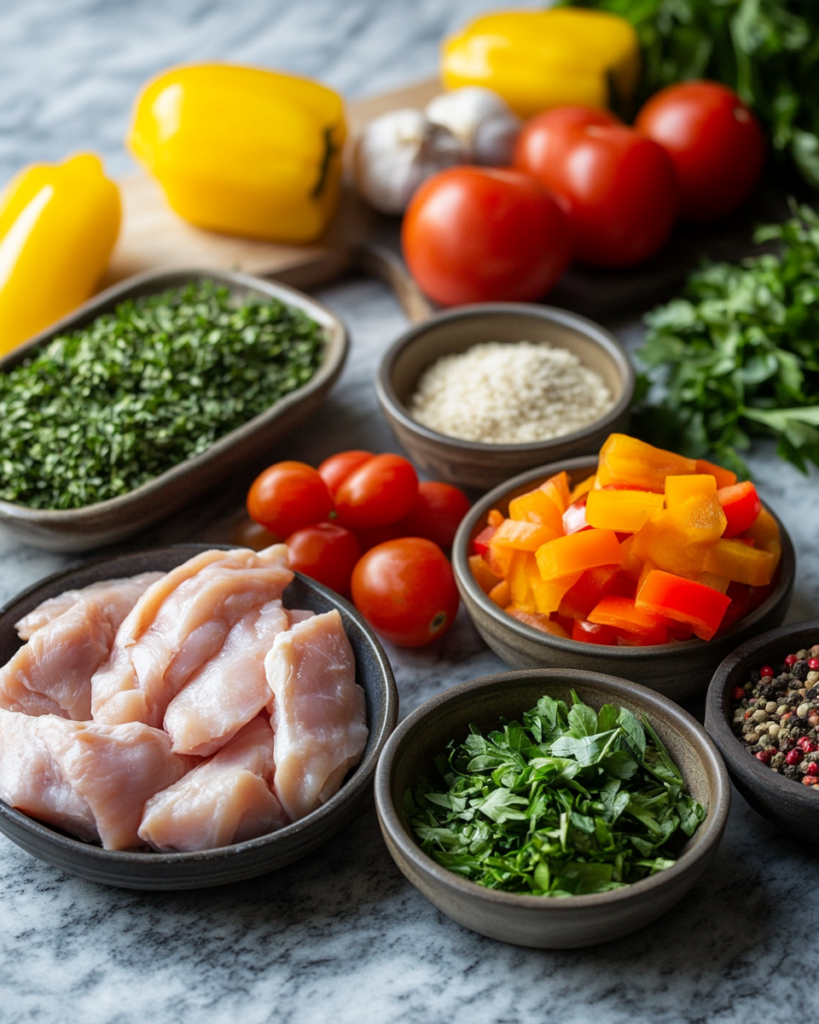
Chicken breast forms the foundation of this recipe due to its lean structure and neutral taste, which absorbs seasoning efficiently. When prepared correctly, it becomes tender while holding a lightly smoky surface from grilling.
Olive oil plays a key role in keeping moisture intact during heat exposure. It also helps distribute seasoning across the surface, allowing salt, pepper, and aromatics to adhere evenly. Lemon juice contributes brightness and helps soften the protein fibers during marination.
Garlic provides depth and a mild savory edge without overpowering the dish. Paprika introduces a warm color and subtle earthy tone that pairs well with grilled surfaces. Salt and black pepper remain essential for balance, lifting natural flavors without overwhelming them.
Optional herbs such as parsley or thyme can add freshness after grilling, giving a light aromatic finish. Side components like rice, quinoa, or roasted vegetables create a complete plate with varied texture and nutritional balance.
For substitution flexibility, chicken thighs may replace breast cuts for a richer texture. Avocado oil can stand in for olive oil if a higher smoke point is preferred. Citrus alternatives such as lime juice also work well in place of lemon, maintaining acidity and tenderizing properties.
Together, these ingredients create a balanced structure where protein, fat, and seasoning interact in a controlled way. The result is a grilled chicken base that fits many serving styles without losing consistency or character.
Ingredients
2 large chicken breasts
3 tablespoons olive oil
2 tablespoons lemon juice
2 garlic cloves, minced
1 teaspoon paprika
1 teaspoon salt
1/2 teaspoon black pepper
1/2 teaspoon dried thyme
1/2 teaspoon onion powder
1 cup cooked brown rice
1 cup steamed broccoli florets
1/2 cup cherry tomatoes, halved
1 tablespoon chopped fresh parsley
Step-by-Step Instructions
Begin by preparing the chicken breasts on a clean surface. Pat each piece dry with a paper towel to remove surface moisture. This step helps the seasoning adhere and supports even browning during grilling.
Place olive oil, lemon juice, minced garlic, paprika, salt, black pepper, thyme, and onion powder into a mixing bowl. Stir until the mixture forms a smooth coating. Add the chicken breasts and turn them until fully coated. Cover and allow the chicken to rest in the mixture for at least 30 minutes so the seasoning can penetrate the surface.
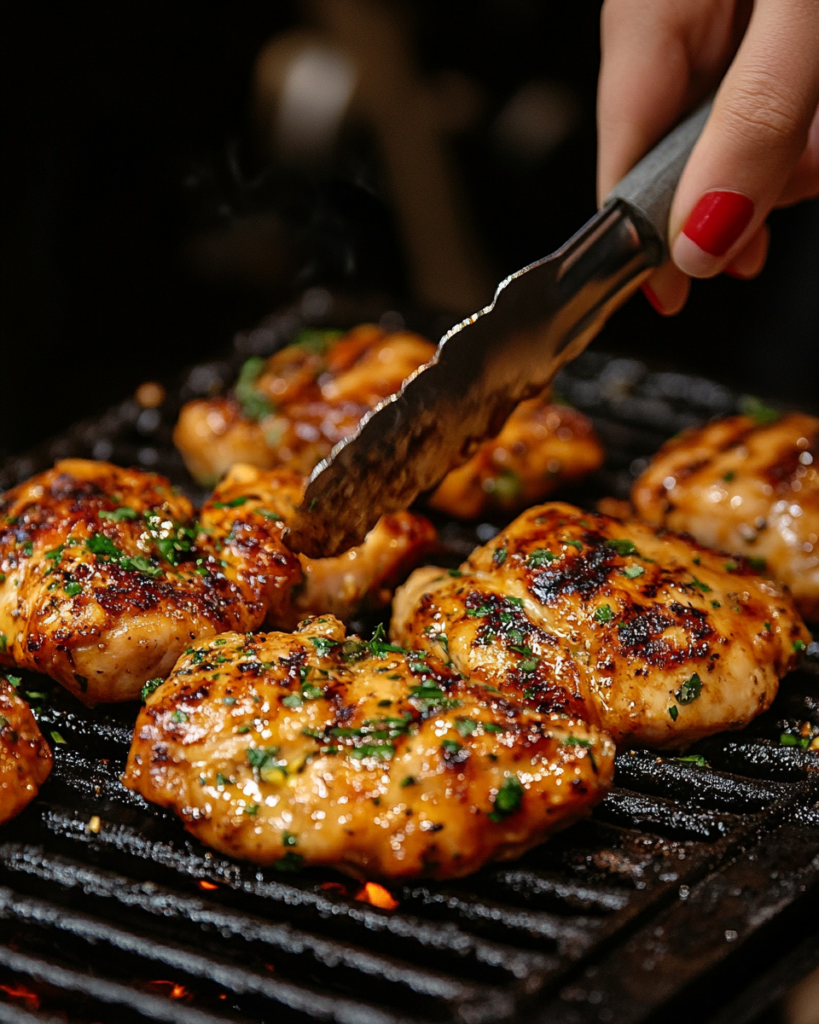
Heat a grill or grill pan over medium-high temperature. Once hot, lightly coat the surface with oil to prevent sticking. Place the chicken breasts onto the grill without overcrowding the surface.
Cook for approximately 6 to 7 minutes on the first side. Avoid moving the chicken during this period so grill marks can form properly. Turn each piece and continue cooking for another 6 to 7 minutes, depending on thickness.
Check doneness by slicing into the thickest section. The interior should appear opaque with clear juices and no pink center. If additional time is required, continue cooking in short intervals while monitoring texture closely.
Once finished, transfer the chicken to a resting plate. Allow it to sit for several minutes so internal juices redistribute through the meat. This step supports tenderness and prevents dryness when slicing.
Slice the chicken into even strips for serving. Arrange cooked brown rice on a plate, followed by steamed broccoli and cherry tomatoes. Place sliced chicken on top and finish with chopped parsley for a light herbal note.
Serve immediately while warm for optimal texture and flavor balance.
Tips, Variations & Substitutions
For consistent results, keep chicken breasts similar in thickness. If one side is thicker, gently flatten it using a kitchen mallet to promote even cooking. This prevents uneven texture between edges and center.
Marination time can extend up to several hours for deeper seasoning absorption. However, even a short resting period improves flavor integration.
For variation, add chili flakes for mild heat or smoked paprika for deeper grilled notes. A yogurt-based marinade can also be used for a softer texture profile, replacing oil and citrus with a creamy base.
Protein alternatives include turkey breast or plant-based chicken substitutes for different dietary preferences. Vegetable pairings can shift based on season, with zucchini, asparagus, or bell peppers working well alongside the main protein.
Grain bases can also vary. Quinoa, couscous, or cauliflower rice provide different textures while maintaining balance on the plate.
Serving Ideas & Occasions
This grilled chicken dish fits well into lunch preparation routines, evening meals, or post-activity dining. It pairs effectively with light soups or fresh salads for a complete meal structure.
For a more filling presentation, add roasted sweet potatoes or herb-seasoned grains. A simple yogurt dip or garlic dressing can also accompany the plate for added moisture contrast.
It works well for structured weekly meal planning due to its straightforward preparation and reheating stability. The flavor profile remains steady even after refrigeration, making it suitable for batch cooking approaches.
Nutritional & Health Notes
Chicken breast provides a strong source of lean protein, which supports muscle maintenance and satiety. When paired with vegetables and whole grains, the dish forms a balanced nutritional profile that includes fiber, vitamins, and minerals.
Olive oil contributes healthy fats that support energy balance, while lemon juice adds vitamin C content. Vegetables such as broccoli and tomatoes increase fiber intake and add natural micronutrients.
Portion control can be adjusted depending on dietary needs. Increasing vegetable content can reduce overall calorie density while maintaining fullness. The dish remains adaptable for various nutritional frameworks without requiring major adjustments.
FAQs
How long should chicken breasts rest before grilling?
Chicken breasts benefit from at least 30 minutes of resting in marinade before grilling. This period allows seasoning to enter the surface layers of the meat. Extended resting up to 4 hours can deepen flavor absorption. Keeping the chicken covered during this stage maintains food safety and prevents drying. Short marination still produces acceptable results if time is limited, but longer resting generally improves texture and taste consistency.
Can frozen chicken breasts be used?
Frozen chicken breasts should be fully thawed before marination and cooking. Thawing allows even seasoning distribution and consistent grilling. Cooking from a frozen state leads to uneven texture, with outer sections cooking faster than the interior. The safest approach is refrigeration thawing over several hours or overnight. Once thawed, the same preparation steps apply without modification.
What type of grill works for this recipe?
Both outdoor grills and indoor grill pans work effectively. Outdoor grills provide stronger smoky flavor and defined char lines. Indoor grill pans offer convenience and steady heat control. The key factor is maintaining medium-high heat to develop surface browning without drying the interior. Proper preheating also prevents sticking and supports even cooking.
How can dryness be prevented?
Dryness is avoided by controlling heat level, monitoring cooking time, and allowing resting after grilling. Removing chicken at the correct internal doneness point is important. Overcooking reduces moisture content quickly. Marination with oil and citrus also supports moisture retention during heat exposure.
Can other proteins be used?
Turkey breast works as a direct substitute with similar cooking times. Fish fillets can also be used, although they require shorter grilling periods. Plant-based protein alternatives may need adjusted timing based on product thickness and composition. Each option follows the same seasoning structure for consistency.
What side dishes pair well with this meal?
Steamed vegetables, roasted root vegetables, and grain-based sides all pair well. Light salads with citrus dressing also complement the grilled chicken. The dish adapts easily to different side combinations without losing balance or structure.
Can this meal be stored for later consumption?
Cooked chicken can be stored in a sealed container under refrigeration for several days. Reheating should be done gently to preserve moisture. Adding a small amount of water or broth during reheating helps maintain tenderness. Vegetables and grains should be stored separately when possible for best texture retention.