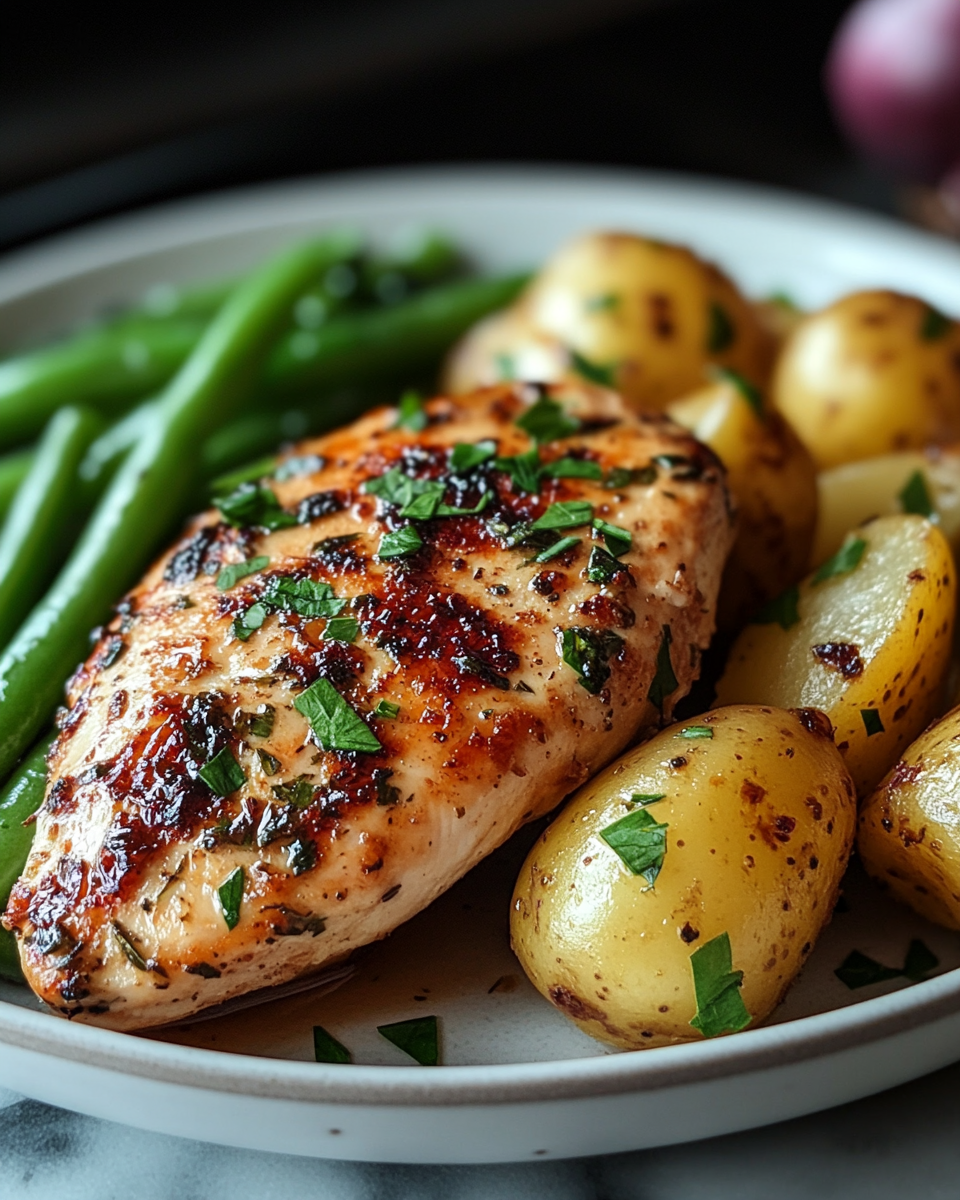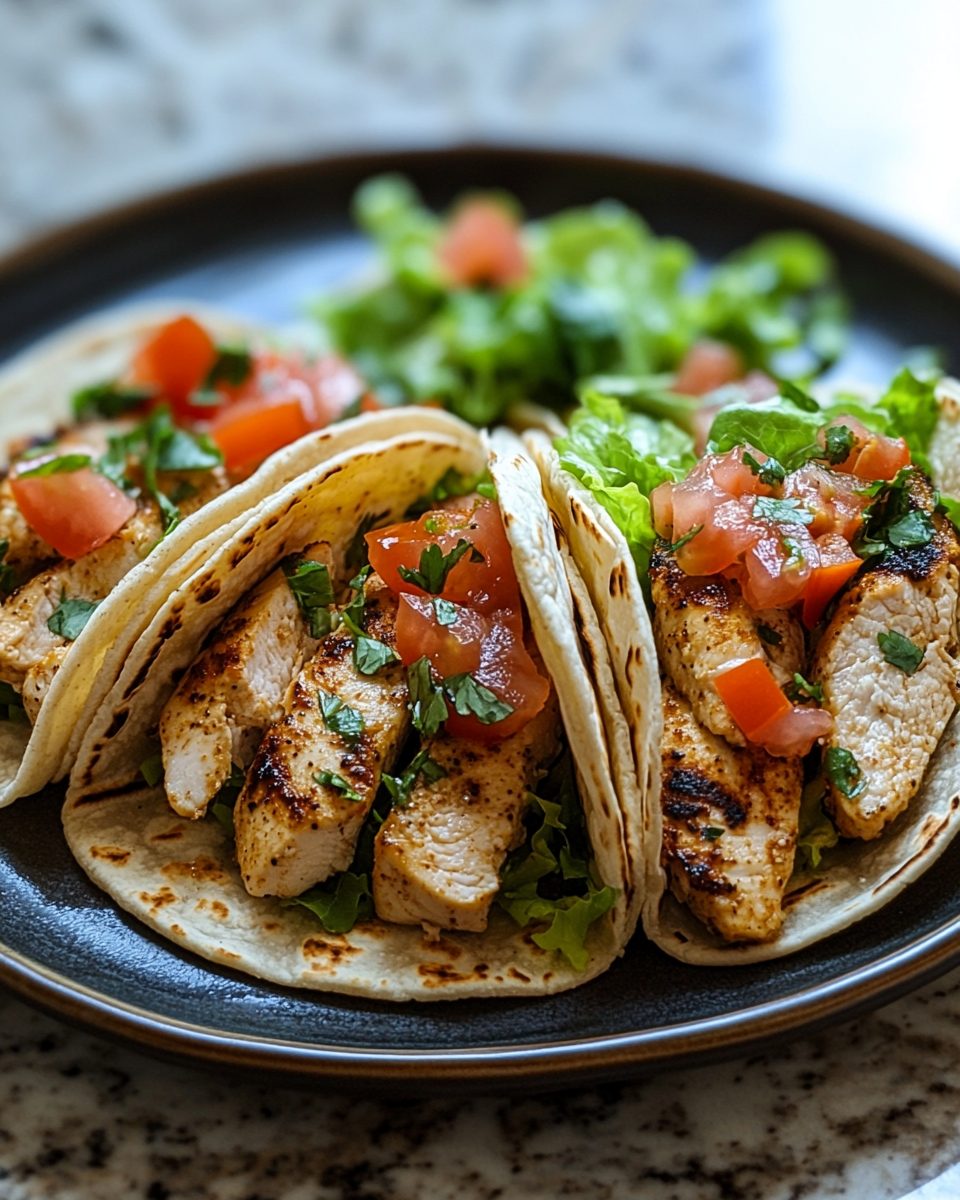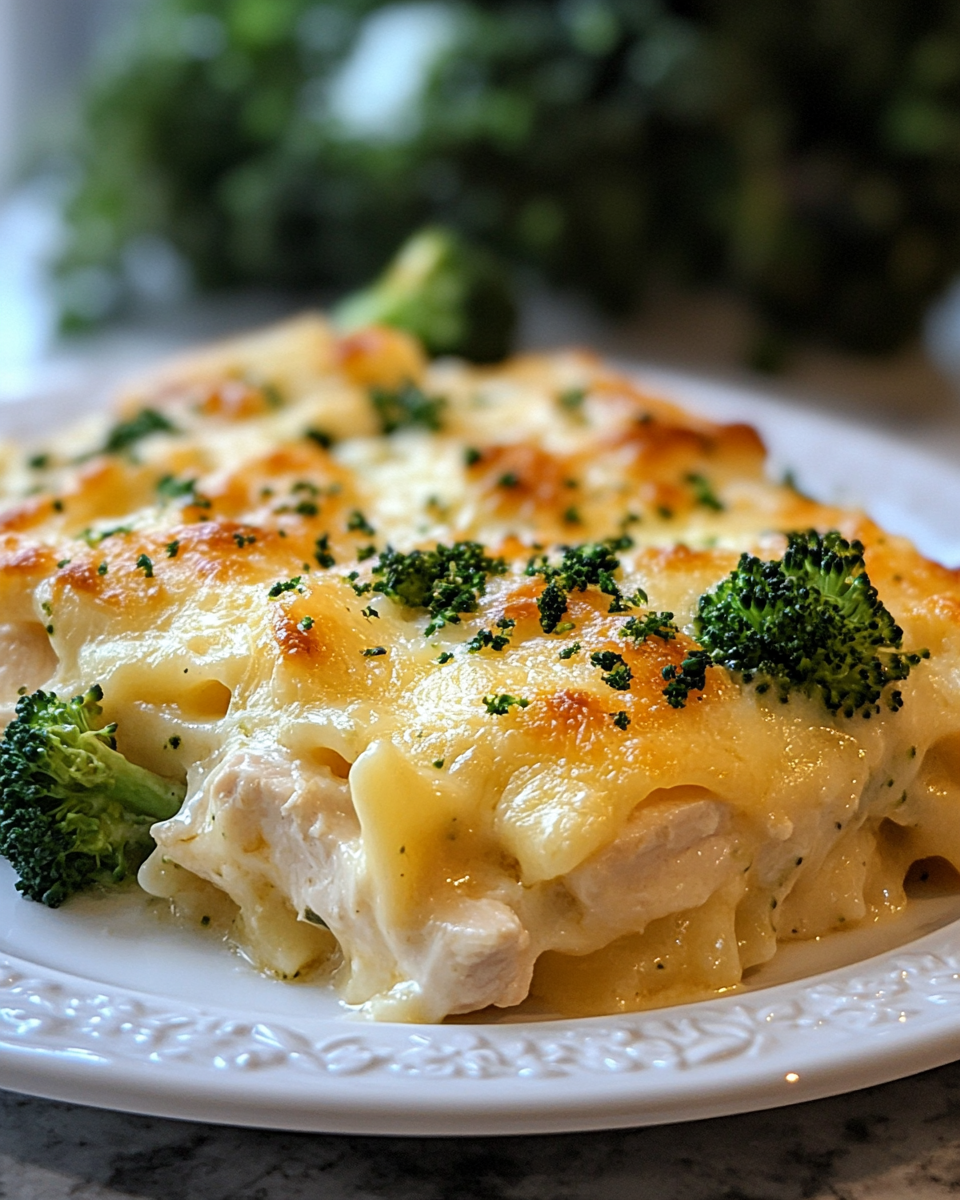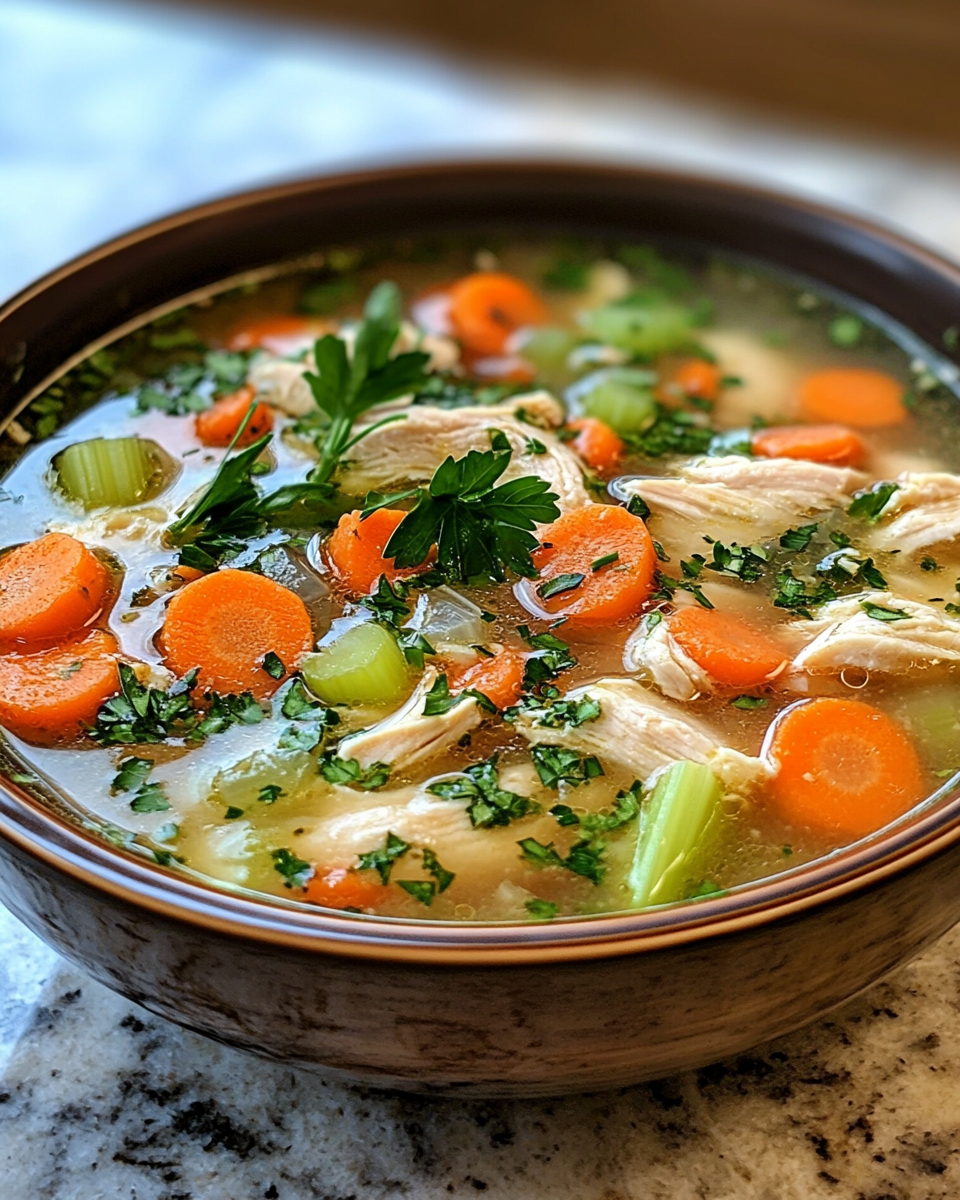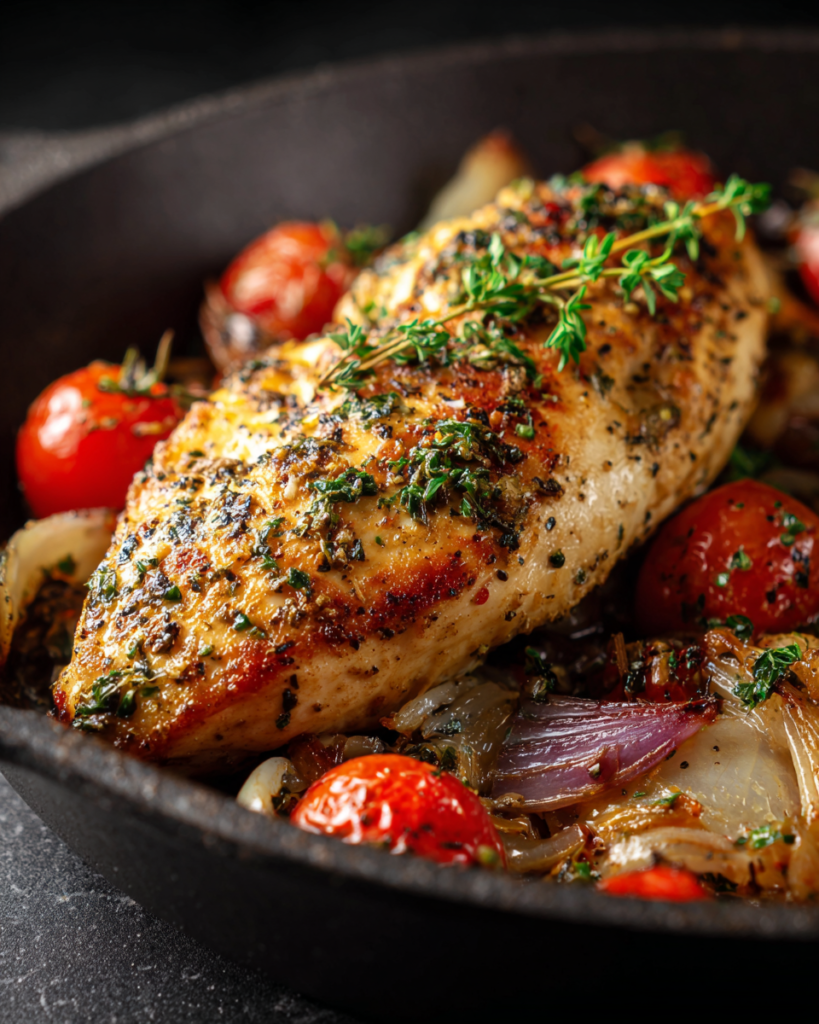
A Healthy Chicken Breast Skillet Meal brings together tender chicken, colorful vegetables, and a light pan sauce in a single pan for a balanced, satisfying dinner. This style of cooking focuses on straightforward steps, allowing each ingredient to cook evenly while building natural flavor in the skillet.
The chicken is seared first to develop a golden surface, then finished gently with vegetables and seasoning so everything stays juicy and aromatic. It is a practical dish for busy evenings when a full, wholesome plate is needed without complicated preparation.
This meal works well for meal prep, family dinners, or a quick weekday plate that still feels complete. The combination of lean protein, vegetables, and light seasoning creates a versatile base that can be adjusted to different taste preferences.
Ingredients Overview
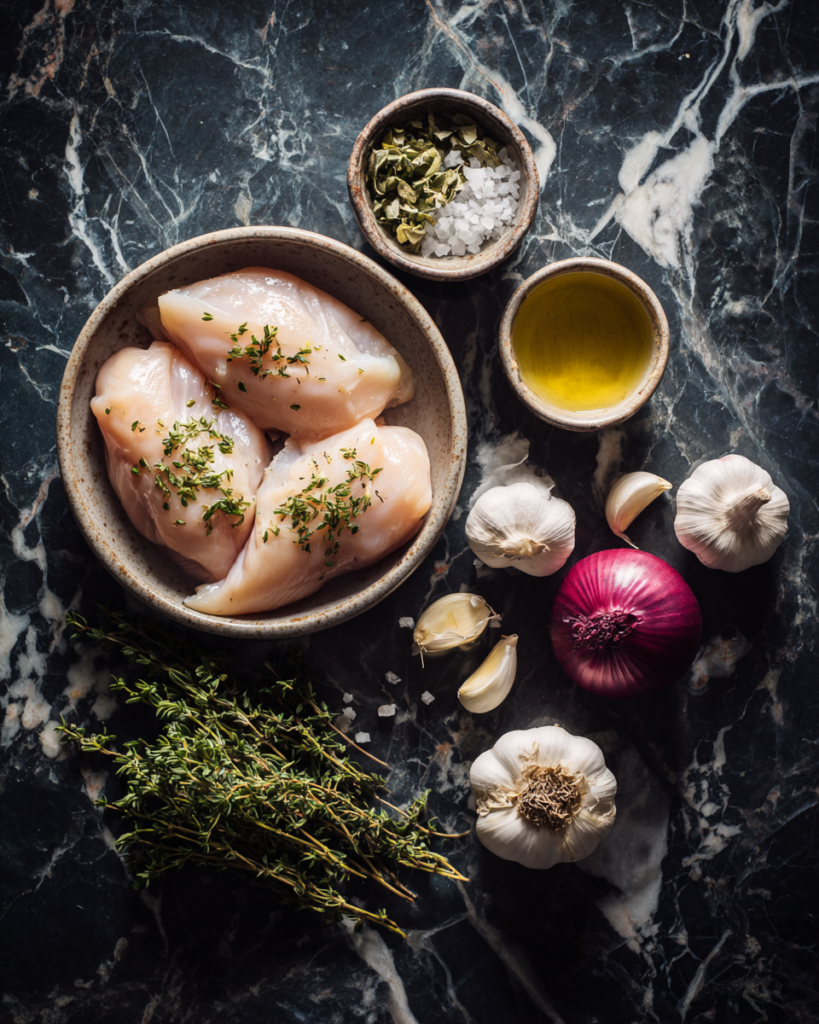
Chicken breast is the central ingredient in this skillet meal. It provides lean protein and a tender texture when cooked correctly. Slicing it evenly helps it cook at the same rate and prevents dryness.
Olive oil or another neutral cooking oil is used for searing. It helps create a light crust on the chicken while carrying the flavor of the seasonings across the pan. A small amount is enough since the goal is a balanced, not heavy, finish.
Garlic and onion form the aromatic base. They soften in the skillet and create a savory foundation that blends with the chicken juices. Fresh garlic gives a sharper taste, while onion adds mild sweetness.
Bell peppers and zucchini bring color, texture, and natural moisture. They cook quickly and pair well with chicken because they hold their shape while still becoming tender. Carrots can also be added for a slightly sweet bite.
Chicken broth is used for a light sauce. It lifts the browned bits from the pan, adding depth without making the dish heavy. A small splash of lemon juice can brighten the overall flavor at the end.
Seasonings like paprika, black pepper, and salt bring balance. Paprika adds warmth, while pepper gives gentle heat. Herbs such as thyme or parsley can finish the dish with a fresh note.
Ingredients
1 pound chicken breast, sliced into thin strips
2 tablespoons olive oil
1 small onion, sliced
3 cloves garlic, minced
1 red bell pepper, sliced
1 yellow bell pepper, sliced
1 medium zucchini, sliced
1 medium carrot, thinly sliced
1/2 cup low-sodium chicken broth
1 teaspoon paprika
1/2 teaspoon salt
1/4 teaspoon black pepper
1/2 teaspoon dried thyme
1 tablespoon lemon juice
2 tablespoons fresh parsley, chopped
Step-by-Step Instructions
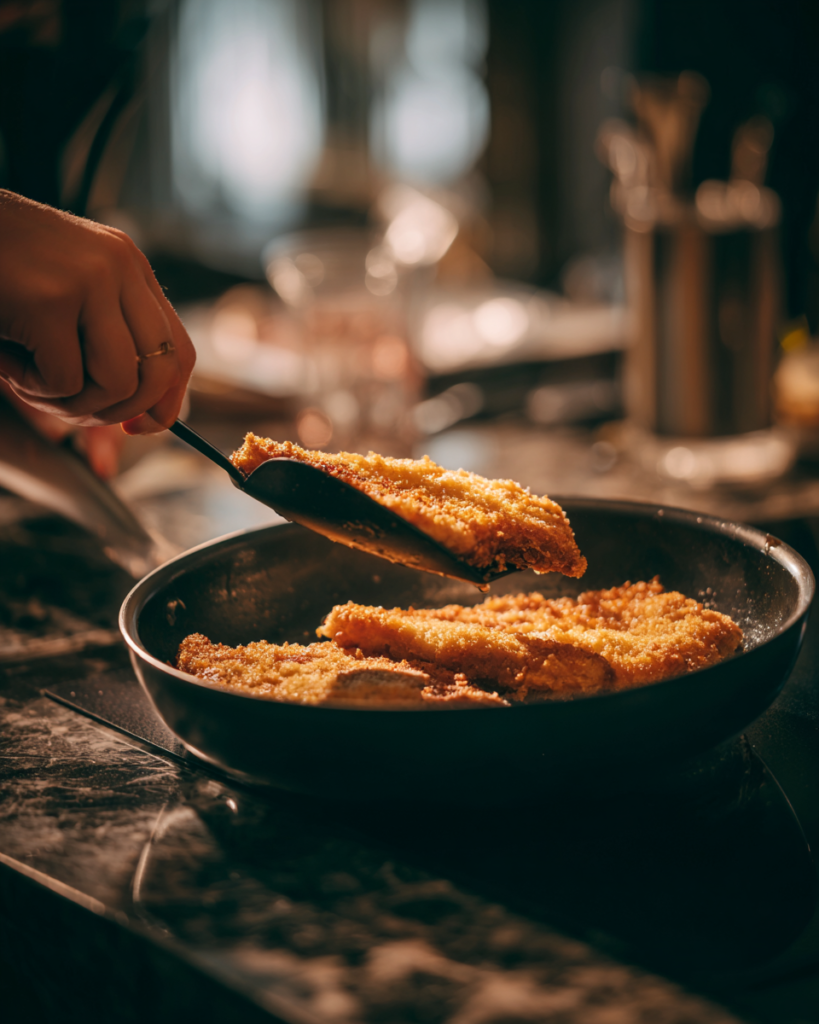
Start by slicing the chicken breast into even strips. Keeping the pieces similar in size helps them cook evenly in the skillet. Pat them dry with a paper towel so they sear properly instead of steaming.
Place a large skillet on medium-high heat and add olive oil. Once the oil is hot, add the chicken in a single layer. Let it cook without moving for a few minutes so a light golden surface forms. Turn the pieces and cook until mostly done, then remove them from the skillet and set aside.
In the same skillet, add onion and garlic. Stir gently as they cook, allowing them to soften and release aroma. The moisture from the onion helps lift the browned bits from the pan, adding flavor to the base.
Add bell peppers, zucchini, and carrot. Stir and cook until they begin to soften but still hold structure. The vegetables should remain slightly firm for a pleasant texture in the final dish.
Return the chicken to the skillet. Sprinkle paprika, salt, black pepper, and thyme evenly over the mixture. Stir so the seasoning coats both chicken and vegetables.
Pour in chicken broth and reduce heat slightly. Allow everything to simmer so the flavors blend together and the sauce lightly reduces. Stir occasionally to prevent sticking.
Finish with lemon juice and chopped parsley. The lemon adds brightness while parsley brings a fresh contrast to the warm skillet ingredients. Serve directly from the pan while warm.
Avoid overcooking the chicken, as it can become dry. Also, keep an eye on the vegetables so they retain texture rather than becoming too soft.
Tips, Variations & Substitutions
For a richer flavor, the chicken can be marinated briefly in olive oil, garlic, and paprika before cooking. This adds extra depth without changing the structure of the dish.
Different vegetables can be used based on preference or availability. Mushrooms add earthiness, while spinach can be stirred in at the end for a softer green element. Broccoli florets also work well if lightly steamed in the skillet.
If a slightly creamier finish is preferred, a small splash of light cream or Greek yogurt can be added at the end. This creates a smoother sauce while keeping the dish balanced.
For seasoning variations, cumin or Italian herbs can replace thyme. A pinch of chili flakes can also be added for mild heat without overpowering the other ingredients.
This skillet meal can be prepared in advance and stored for later use. It reheats well in a pan over low heat with a splash of broth to maintain moisture.
Serving Ideas & Occasions
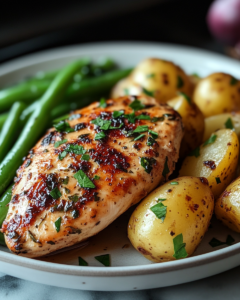
This chicken skillet meal pairs well with steamed rice, quinoa, or roasted potatoes. These sides absorb the light pan sauce and create a complete plate.
For a lighter option, it can be served over cauliflower rice or alongside a simple green salad. The fresh vegetables in the salad balance the warm skillet flavors.
It works well for weekday dinners when time is limited but a balanced meal is still desired. It is also suitable for shared family meals because it is mild in seasoning and adaptable.
A glass of sparkling water with lemon or a light herbal tea complements the dish without overpowering its flavors.
Nutritional & Health Notes
This meal is rich in lean protein from chicken breast, which supports muscle maintenance and satiety. The vegetables add fiber, vitamins, and natural color, contributing to a balanced plate.
Olive oil provides healthy fats in moderate amounts. Because the dish uses a controlled quantity, it remains light while still carrying flavor.
The sodium level can be adjusted by choosing low-sodium broth and controlling added salt. This makes it suitable for various dietary preferences.
Overall, this skillet meal offers a balanced mix of protein, vegetables, and light seasoning without being heavy or overly rich.
FAQs
Can I use chicken thighs instead of chicken breast?
Chicken thighs can be used in place of chicken breast if a juicier texture is preferred. They contain slightly more fat, which helps keep them tender during cooking. Adjust cooking time slightly, as thighs may take longer to cook through. Slice them evenly so they cook at the same rate in the skillet. The flavor will be slightly richer compared to chicken breast, but the overall structure of the dish remains the same.
How do I prevent the chicken from becoming dry?
Dry chicken usually results from overcooking or uneven heat. To avoid this, slice the chicken into uniform pieces so they cook consistently. Sear over medium-high heat just until lightly golden, then remove briefly while preparing vegetables. Return it later to finish cooking in the sauce. Keeping a small amount of broth in the skillet also helps maintain moisture throughout the dish.
Can I prepare this meal in advance?
This skillet meal can be prepared ahead and stored in a sealed container in the refrigerator. It holds well for a couple of days. When reheating, use a skillet over low heat and add a small splash of broth or water to restore moisture. The vegetables may soften slightly after storage, but the overall flavor remains steady.
What vegetables work best in this recipe?
Bell peppers, zucchini, onions, and carrots work especially well because they cook at similar rates and hold structure. Mushrooms, broccoli, and spinach can also be added depending on preference. Softer greens like spinach should be added at the end of cooking so they do not overcook. The key is choosing vegetables that complement the light skillet sauce.
Can I make this dish without broth?
Yes, the dish can be made without broth, although the sauce will be lighter. In that case, a small splash of water with lemon juice can be used to lift the flavors from the skillet. The natural juices from chicken and vegetables will still create a light coating. Broth simply adds more depth to the overall taste.
How can I add more flavor without heavy seasoning?
Fresh herbs, garlic, and lemon juice are effective ways to build flavor without making the dish heavy. Cooking the chicken properly to develop a light golden surface also adds natural depth. Using fresh vegetables instead of frozen ones improves texture and taste. A small amount of paprika or cumin can also add warmth without overpowering the dish.
Is this recipe suitable for meal prep?
This recipe works well for meal prep because it stores and reheats easily. Portion it into containers with rice, quinoa, or vegetables for balanced meals throughout the week. Keep the sauce slightly loose when cooking so it does not dry out during storage. Reheat gently to maintain texture and flavor balance.