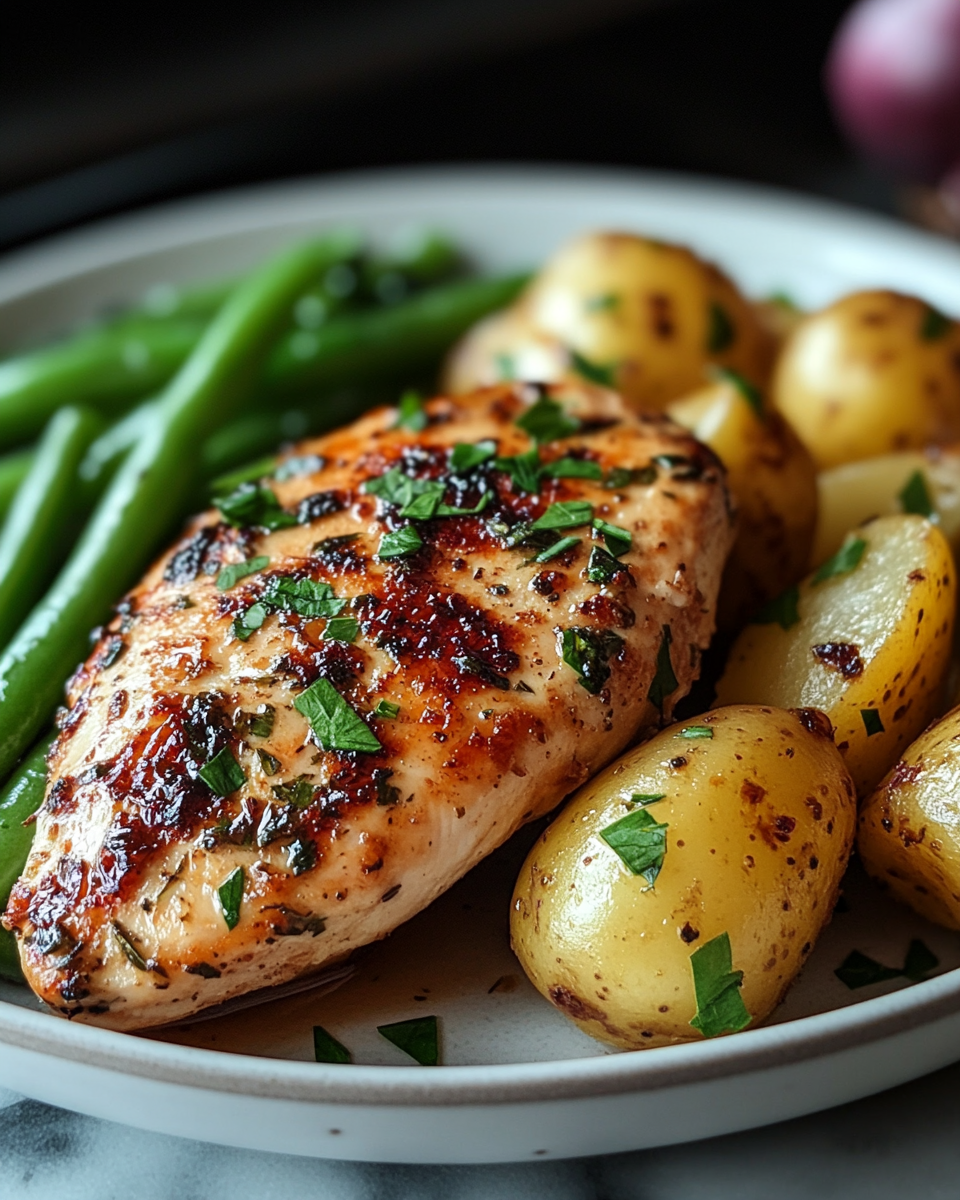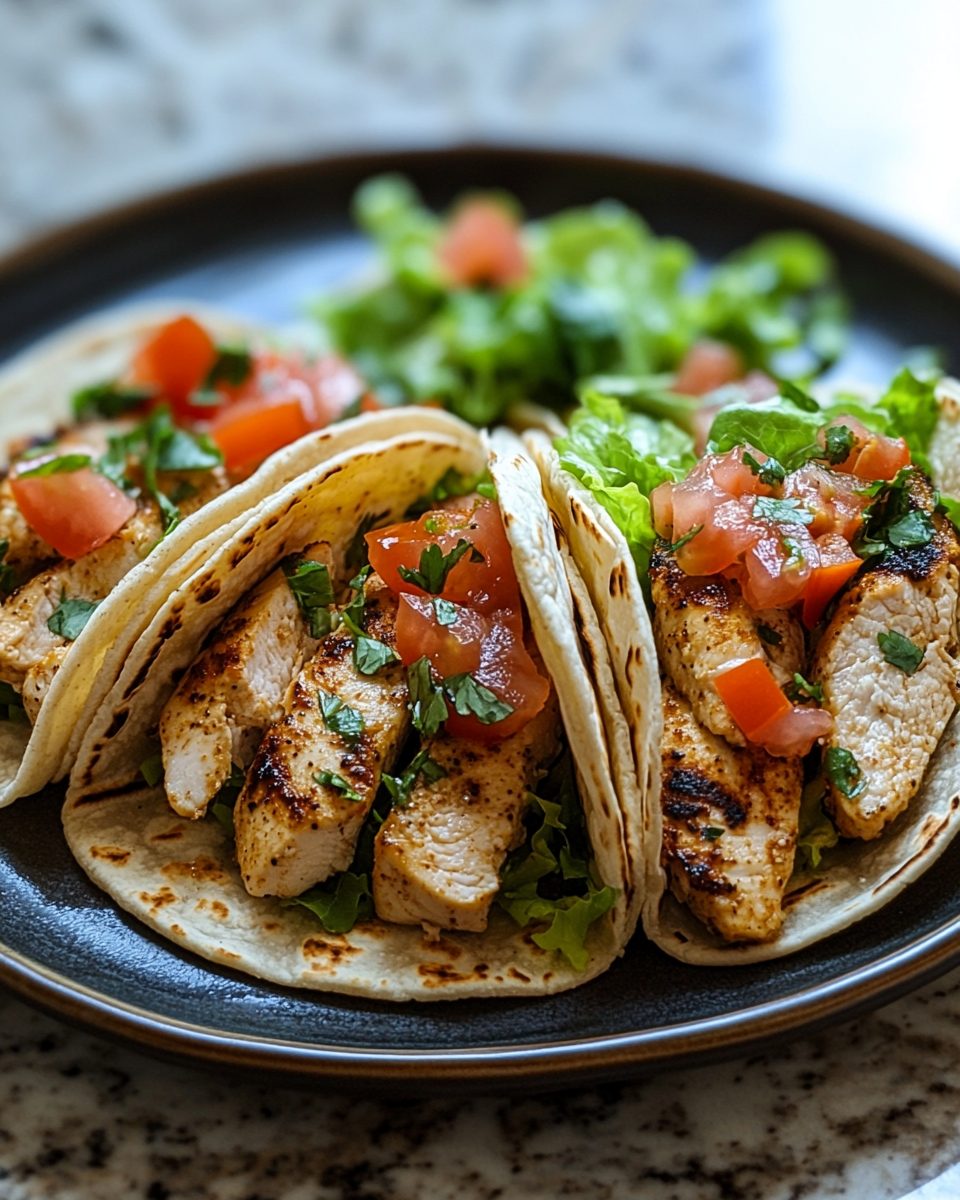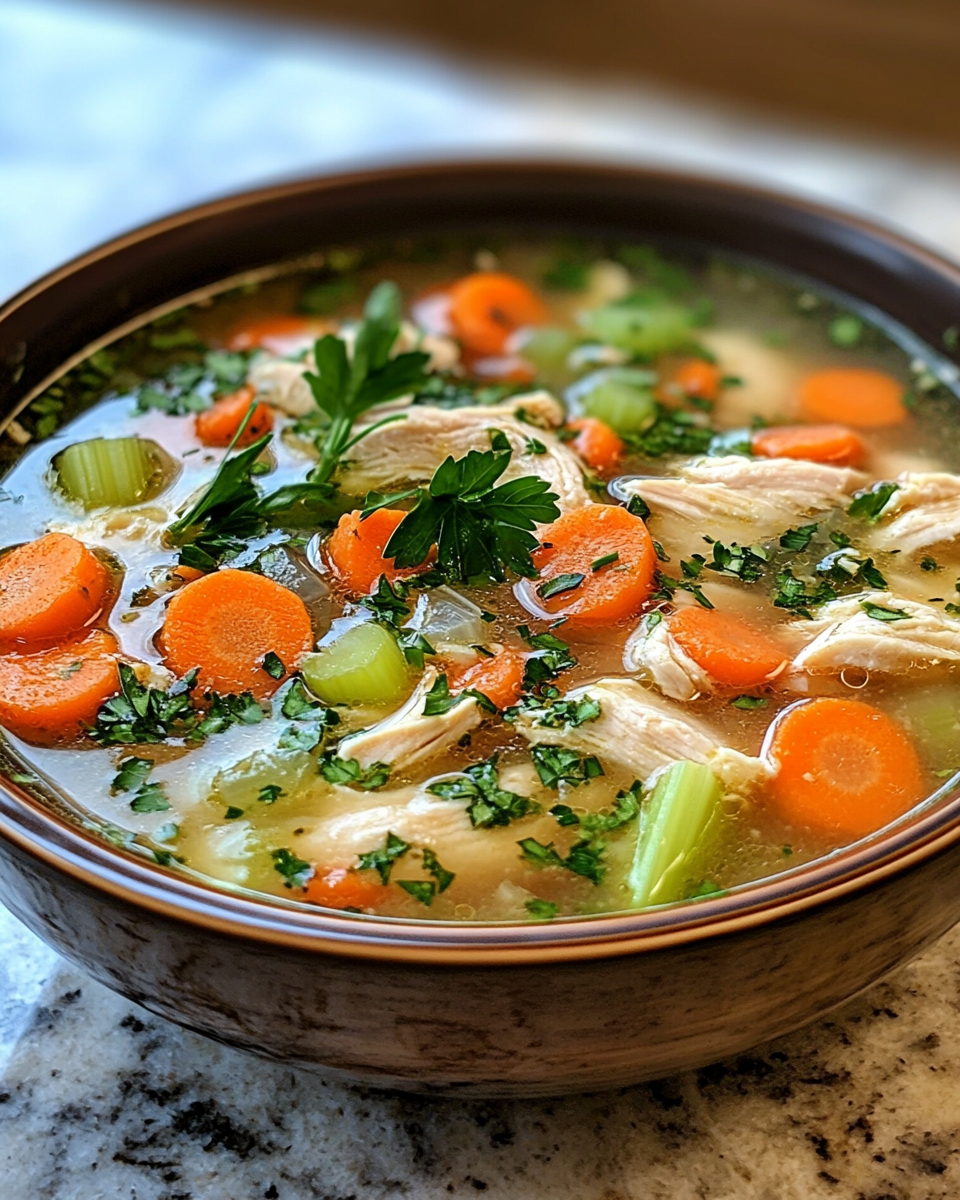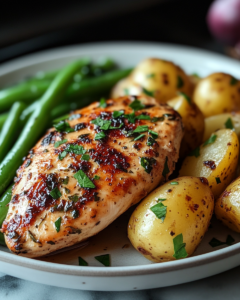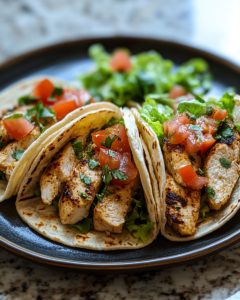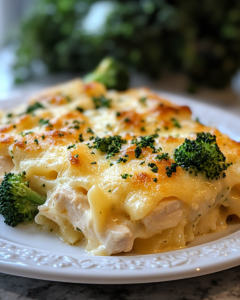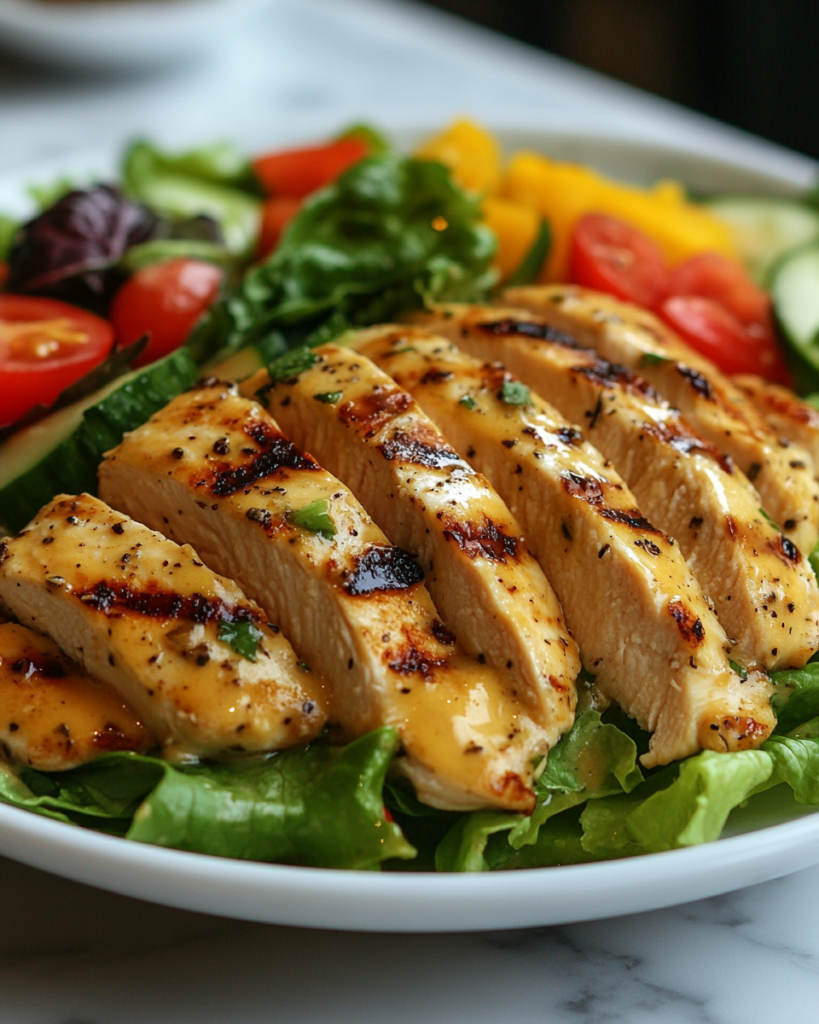
Fresh chicken breast salad brings together tender poultry, crisp vegetables, and a light dressing that fits into a wide range of meals. This dish centers on lean chicken breast, gently cooked and sliced, then combined with crunchy greens and a creamy yet light dressing. The overall profile stays light on the palate while still delivering satisfying texture and balanced flavor.
This salad works well for meal prep, quick lunches, or a refreshing dinner option. Each component plays a clear role: protein from chicken breast, hydration and crunch from fresh produce, and smoothness from a simple dressing. The result is a balanced plate that feels clean and satisfying without heaviness.
The preparation process focuses on gentle cooking methods and careful assembly. Chicken breast stays moist through controlled heat, while vegetables remain crisp and vibrant. The dressing ties everything together with a light coating rather than overpowering richness.
Ingredients Overview
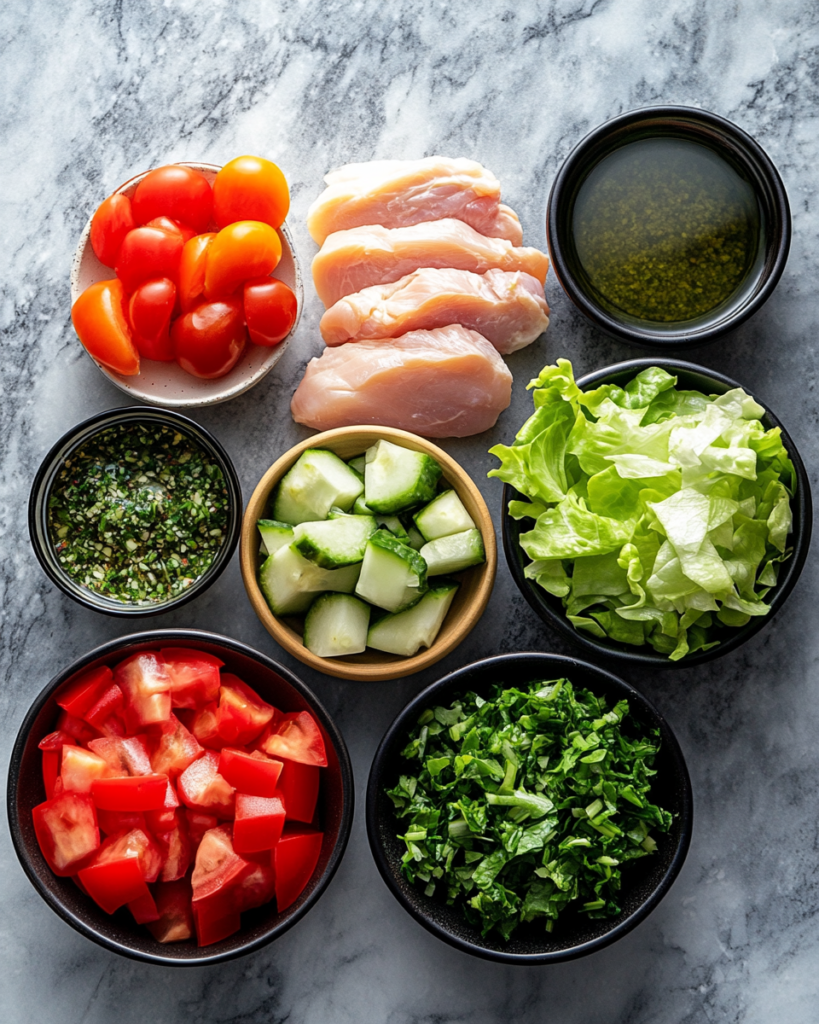
Chicken breast serves as the main protein source, offering a lean structure that absorbs seasoning well. When cooked gently, it remains tender and easy to slice, which is important for salad texture.
Fresh greens such as romaine or mixed lettuce provide crunch and volume. These greens hold dressing lightly and maintain structure even after mixing.
Cherry tomatoes contribute juiciness and mild sweetness. Their soft interior contrasts with crisp greens and firm chicken slices.
Cucumber adds refreshing crunch and a clean taste profile. It balances the richer texture of chicken breast.
Red onion brings sharpness in small amounts. Thin slicing helps distribute flavor without overwhelming other components.
Olive oil forms the base of the dressing, offering smooth texture and mild fruit notes. It helps coat ingredients evenly.
Greek yogurt adds creaminess while keeping the dressing light. It pairs well with lemon juice for brightness.
Lemon juice provides acidity that lifts the entire dish. It also helps balance the richness of yogurt and oil.
Dijon mustard contributes mild tang and depth without heaviness. It blends smoothly into the dressing base.
Garlic adds aromatic depth in small quantity, enhancing overall flavor without dominating the salad.
Salt and black pepper bring seasoning balance, highlighting natural flavors in both chicken and vegetables.
Optional herbs such as parsley or dill introduce freshness and aroma, giving the salad a garden-like finish.
Ingredients
1 pound chicken breast, boneless and skinless
1 tablespoon olive oil (for cooking chicken)
4 cups romaine lettuce, chopped
1 cup cherry tomatoes, halved
1 medium cucumber, sliced
1/4 small red onion, thinly sliced
1/2 cup plain Greek yogurt
1 tablespoon olive oil (for dressing)
1 tablespoon lemon juice
1 teaspoon Dijon mustard
1 small garlic clove, minced
1/2 teaspoon salt
1/4 teaspoon black pepper
1 tablespoon chopped parsley or dill (optional)
Step-by-Step Instructions
Chicken breast preparation begins with trimming any excess fat for even cooking. A light coating of olive oil is applied to the surface, followed by salt and black pepper for basic seasoning.
A skillet is heated over medium setting. Chicken breast is placed on the surface and cooked without frequent movement. Each side develops a light golden surface while internal heat gently cooks the center. Once firmness increases and juices run clear, the chicken is removed from heat and rested briefly to retain moisture.
While chicken rests, vegetables are prepared. Romaine lettuce is chopped into bite-sized pieces and placed into a large bowl. Cherry tomatoes are halved and added to the greens. Cucumber is sliced thinly for crisp texture. Red onion is cut into fine strips to distribute flavor evenly throughout the salad.
For the dressing, Greek yogurt is combined with olive oil, lemon juice, Dijon mustard, and minced garlic in a small bowl. The mixture is whisked until smooth and creamy. Salt and black pepper are added gradually, adjusting seasoning balance without overpowering acidity.
Chicken breast is sliced into thin strips after resting. This helps retain juices and creates even pieces for mixing.
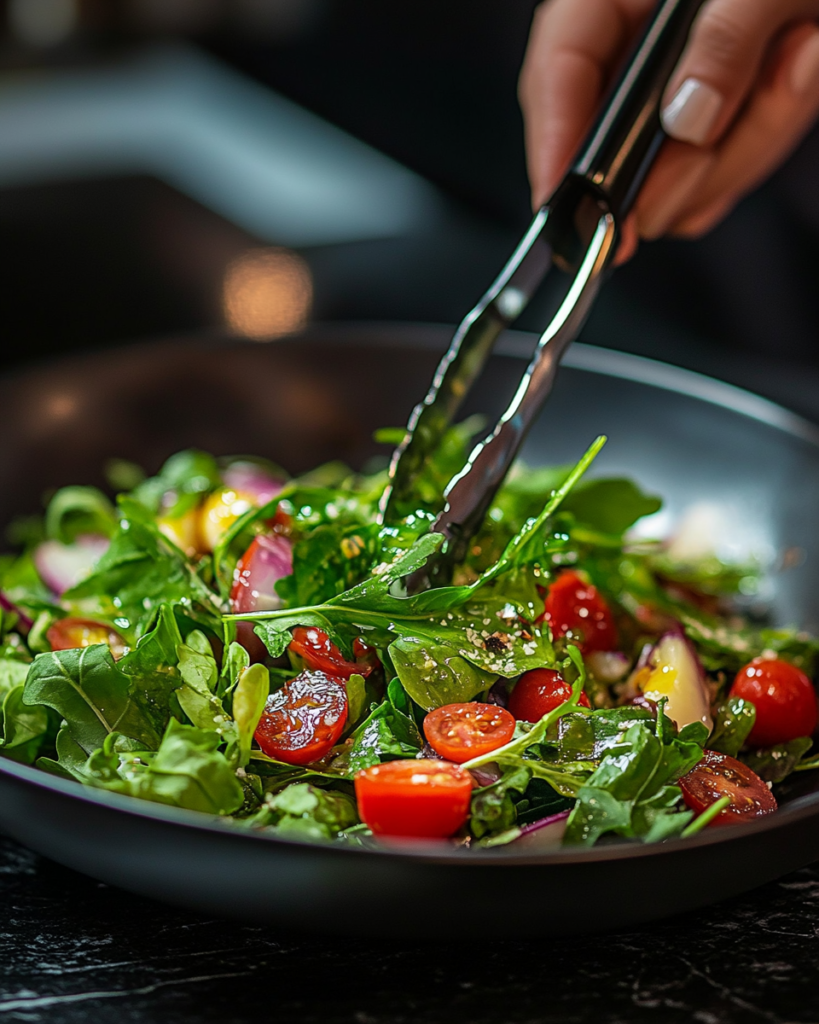
All salad components are combined in a large bowl. Chicken slices are placed over vegetables, followed by the yogurt-based dressing. Gentle folding motion distributes dressing across ingredients without crushing greens.
Herbs such as parsley or dill are sprinkled on top for added aroma. The salad is served immediately or chilled briefly for a firmer texture experience.
Common mistakes include high heat cooking, which can dry chicken breast, or overmixing, which can reduce vegetable crunch. Gentle handling preserves texture across all ingredients.
Tips, Variations & Substitutions
Chicken breast can be replaced with grilled turkey breast for a similar lean protein profile. For a dairy-free dressing, yogurt can be substituted with mashed avocado blended with lemon juice and olive oil.
Extra crunch can be introduced through sliced radish or bell peppers. These additions maintain freshness while increasing texture variety.
For stronger herb flavor, basil or cilantro can replace parsley or dill. Each herb brings a different aromatic direction to the dish.
A mild spice element can be added through crushed red pepper flakes in the dressing. This introduces warmth without overpowering the light base.
For a slightly richer profile, a small amount of grated Parmesan can be sprinkled over the finished salad.
Serving Ideas & Occasions
This salad fits well into midday meals, light evening plates, or post-activity meals where a balanced protein and vegetable combination is desired.
It pairs well with whole grain bread or a simple soup for a fuller spread. Beverage pairings such as sparkling water with citrus or lightly brewed iced tea complement the fresh profile.
It also works for gatherings where lighter dishes are preferred alongside heavier options. The clean flavor profile balances rich foods on a shared table.
Nutritional & Health Notes
Chicken breast provides lean protein, supporting muscle maintenance and satiety. The combination of vegetables adds fiber, vitamins, and hydration support.
Greek yogurt introduces protein and a creamy texture without heavy fats. Olive oil contributes healthy fats in moderate amounts.
This salad maintains a balanced macronutrient profile, combining protein, fiber, and fats in a controlled portion structure. The overall composition supports steady energy release without heaviness.
FAQs
What type of chicken breast works best for this salad?
Boneless, skinless chicken breast offers the most consistent texture for this salad. Its lean structure absorbs seasoning well and slices cleanly after resting. Fresh or fully thawed chicken is preferred for even cooking. Uniform thickness helps prevent uneven doneness. Light seasoning before cooking supports natural flavor development without overwhelming the salad components.
Can other proteins replace chicken breast?
Turkey breast or cooked shrimp serve as suitable alternatives. Both options maintain a lean profile and pair well with the light dressing. Plant-based proteins such as firm tofu can also be used after light seasoning and pan preparation. Each alternative changes texture slightly while keeping the overall balance of the dish intact.
What greens work well besides romaine lettuce?
Mixed lettuce blends, spinach, or arugula work well. Romaine provides crunch, while spinach offers softness and mild flavor. Arugula introduces a peppery note that shifts the overall taste profile. Mixing different greens can create layered texture while maintaining structural balance under the dressing.
Can the dressing be prepared ahead of serving?
The dressing can be prepared in advance and stored in a sealed container. Stirring before use helps restore smooth texture. If thickening occurs, a small amount of lemon juice or olive oil can restore consistency. Fresh preparation supports brighter flavor, but short storage does not significantly affect quality.
How can extra crunch be added?
Additional vegetables such as radish, bell peppers, or celery increase crunch levels. Nuts like sliced almonds or walnuts also contribute texture contrast. These elements should be added just before serving to maintain firmness and prevent softening from dressing contact.
Is chilling the salad required before serving?
Chilling is optional. A short resting period in a cool environment can slightly enhance texture firmness and flavor blending. Immediate serving preserves maximum crunch, while brief chilling allows flavors to settle together more evenly.
What adjustments can be made for stronger flavor?
Extra lemon juice increases acidity, while additional Dijon mustard deepens tangy notes. Fresh herbs can also be increased for aromatic intensity. Adjustments should be gradual to maintain balance across chicken, vegetables, and dressing components.