Healthy Air Fryer Chicken Breast is one of those everyday dishes that brings together ease, speed, and satisfying flavor without relying on heavy oils or complicated steps. When cooked properly in the air fryer, chicken breast turns tender inside with a lightly crisp surface that feels satisfying in every bite.
This recipe focuses on clean seasoning, proper timing, and balanced texture so the chicken stays juicy instead of dry. It works well for meal prep, quick dinners, or adding protein to salads and bowls throughout the week.
The air fryer makes the process more consistent by circulating heat evenly, helping the chicken cook through while keeping a pleasant outer finish. With a few pantry spices and a short cook time, this dish becomes a reliable go-to for busy days or simple home meals.
Ingredients Overview
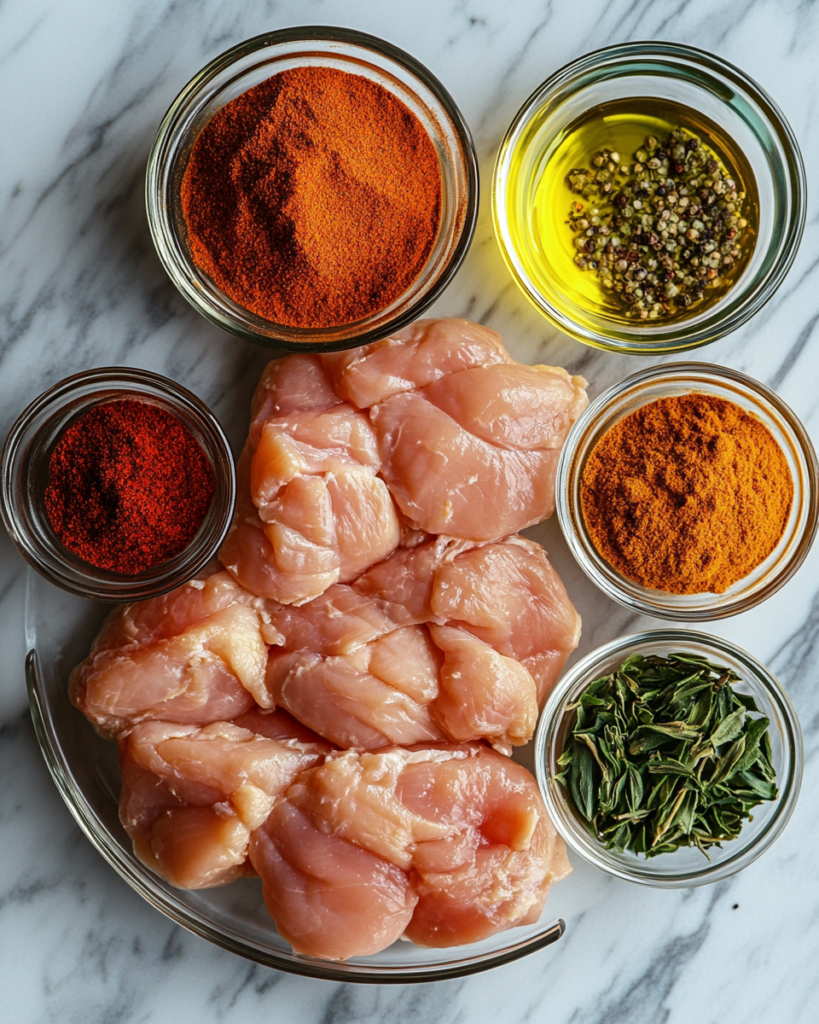
Chicken breast is the main ingredient and plays the biggest role in texture and flavor. Boneless, skinless chicken breasts are ideal because they cook evenly and absorb seasoning well. Choosing pieces that are similar in size helps them cook at the same rate, reducing the chance of dry or undercooked sections.
A small amount of olive oil is used to lightly coat the surface. This helps the seasoning stick and supports browning in the air fryer. It also helps lock in moisture during cooking without making the dish heavy.
Seasonings such as garlic powder, paprika, onion powder, salt, and black pepper create a balanced flavor base. Paprika adds mild warmth and color, while garlic and onion powders build depth without overpowering the chicken. Salt is essential for bringing out natural flavor, and black pepper adds a gentle kick.
Optional additions like dried herbs (oregano, thyme, or parsley) can introduce a more aromatic profile. Lemon juice or zest can also be used after cooking to add brightness.
If olive oil is not available, avocado oil works well due to its high smoke point. Seasonings can be adjusted based on preference, making this recipe flexible for different taste styles while keeping the core method consistent.
Ingredients
2 large boneless, skinless chicken breasts
1 tablespoon olive oil
1 teaspoon garlic powder
1 teaspoon paprika
1/2 teaspoon onion powder
1/2 teaspoon salt
1/4 teaspoon black pepper
1/2 teaspoon dried oregano (optional)
1/2 teaspoon dried thyme (optional)
Lemon wedges for serving (optional)
Step-by-Step Instructions
Start by preparing the chicken breasts. If they are very thick, place them between two sheets of parchment paper and gently pound them to an even thickness. This helps them cook more evenly and prevents dry edges while the center finishes cooking.
Pat the chicken dry using paper towels. Removing excess moisture allows the seasoning and oil to stick better and helps the surface develop a light golden finish in the air fryer.
Place the chicken in a bowl and drizzle with olive oil. Rub it evenly over both sides. In a small bowl, mix garlic powder, paprika, onion powder, salt, black pepper, and optional herbs. Sprinkle the seasoning mix over the chicken and press gently so it adheres well.
Preheat the air fryer to 375°F (190°C) for a few minutes. Preheating helps the chicken start cooking immediately when placed inside, improving texture and consistency.
Arrange the chicken breasts in a single layer in the air fryer basket. Avoid stacking or overlapping so the hot air can circulate properly around each piece.
Cook for 10 minutes, then flip the chicken carefully. Continue cooking for another 6–8 minutes, depending on thickness. The chicken is ready when the internal temperature reaches 165°F (74°C) and the juices run clear when sliced.
Let the chicken rest for 5 minutes before cutting. This resting period allows the juices to redistribute throughout the meat, keeping it moist and tender.
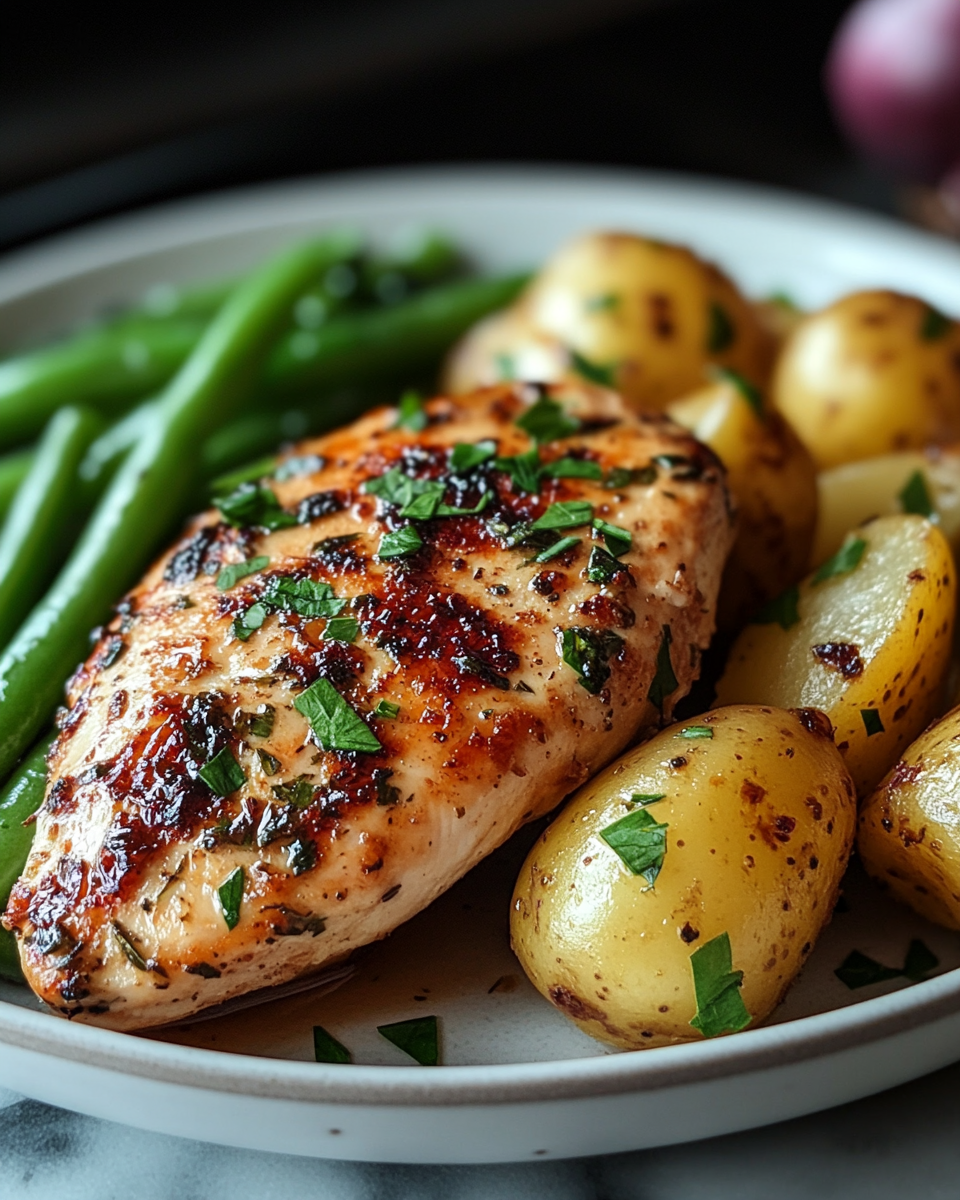
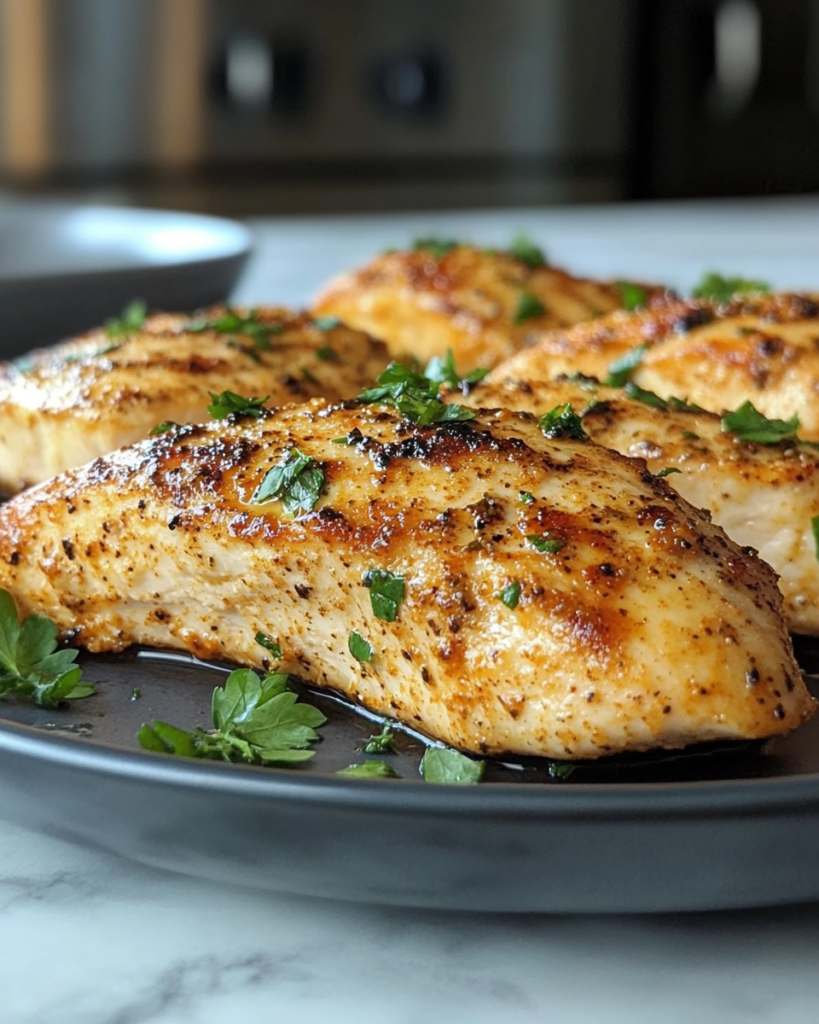
Slice or serve whole, depending on your preference. The exterior should have a lightly seasoned crust while the inside remains juicy and soft.
Tips, Variations & Substitutions
For best texture, try to choose chicken breasts that are similar in size. Uneven pieces can lead to one being overcooked while the other is still finishing. Pounding thicker parts helps create balance.
If you prefer stronger flavor, add a small amount of smoked paprika or chili powder to the seasoning mix. This adds depth without overpowering the natural taste of the chicken.
For a lighter salt profile, reduce salt slightly and add fresh lemon juice after cooking. The acidity brings brightness that complements the seasoning.
You can also switch dried herbs depending on preference. Basil, rosemary, or Italian seasoning all work well with this cooking method.
If you are preparing multiple servings, cook in batches rather than overcrowding the air fryer basket. This keeps the texture consistent across all pieces.
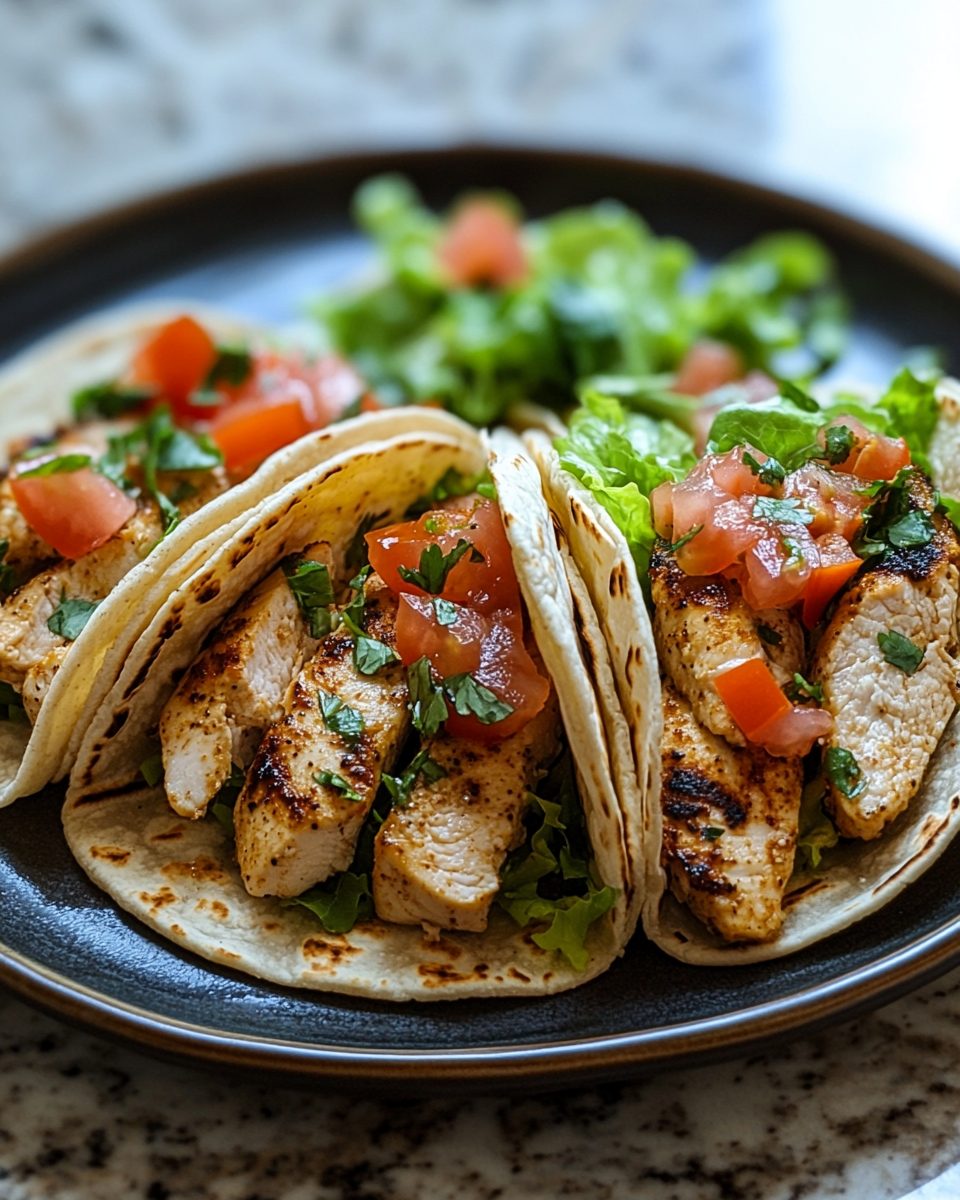
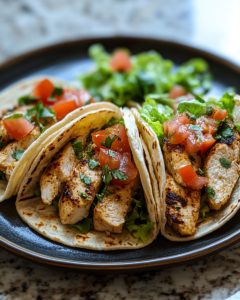
Leftover chicken can be sliced and added to salads, wraps, grain bowls, or pasta dishes, making it a flexible protein option for different meals throughout the week.
Serving Ideas & Occasions
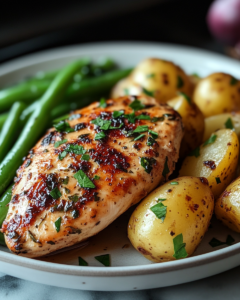
Healthy Air Fryer Chicken Breast pairs well with roasted vegetables, steamed rice, quinoa, or mashed potatoes. It also works nicely sliced over fresh salads with vinaigrette or yogurt-based dressings.
For a simple dinner plate, serve it alongside broccoli, carrots, or green beans. A squeeze of lemon over the top adds a fresh finishing touch.
It also fits well into meal prep routines. Cook a few pieces ahead of time and store them for quick lunches or dinners throughout the week.
This dish works for casual weeknight meals, post-workout meals, or light family dinners when you want something satisfying without heavy preparation.
Nutritional & Health Notes
Chicken breast is a lean source of protein, making it a strong option for balanced meals. It contains essential amino acids that support muscle maintenance and overall body function.
Using an air fryer reduces the need for excess oil, which keeps the dish lighter while still delivering a satisfying texture. This method also helps control portion fat content compared to traditional frying methods.
The seasoning mix adds flavor without adding significant calories, allowing the natural protein content of the chicken to remain the focus.
Pairing the chicken with vegetables or whole grains creates a more balanced plate that includes fiber, vitamins, and complex carbohydrates.
This recipe supports flexible eating habits since it can fit into different meal styles, from simple home cooking to structured meal prep plans.
FAQs
How do I keep air fryer chicken breast from drying out?
The key is even thickness and proper timing. Pounding the chicken slightly helps it cook uniformly. Cooking at the right temperature and avoiding overcooking are also important. Letting the chicken rest after cooking allows the juices to settle back into the meat, keeping it moist when sliced.
Can I cook frozen chicken breast in the air fryer?
Yes, but it requires additional cooking time. Start at a lower temperature for the first part of cooking to allow thawing, then increase heat to finish. Always check internal temperature to confirm it reaches 165°F (74°C). Seasoning sticks better if added after partial thawing.
What temperature is best for air fryer chicken breast?
A range of 370°F to 380°F (188°C to 193°C) works well for most air fryers. This range allows the chicken to cook through without drying out too quickly. Adjust slightly based on your appliance since air fryer performance can vary.
Can I marinate the chicken before air frying?
Yes, marinating adds extra flavor and tenderness. A simple mix of oil, lemon juice, garlic, and herbs works well. Marinate for at least 30 minutes or up to several hours in the refrigerator. Pat lightly before cooking to avoid excess moisture in the air fryer.
How do I know when the chicken is fully cooked?
The most reliable method is using a food thermometer. The internal temperature should reach 165°F (74°C). The juices should run clear, and the center should no longer appear pink. Cutting into the thickest part helps confirm doneness if no thermometer is available.
Can I reheat air fryer chicken breast?
Yes, reheating in the air fryer works well. Set it to a lower temperature around 325°F (163°C) and heat for a few minutes until warmed through. This helps maintain texture better than microwaving, which can make it rubbery.
What can I do with leftover chicken breast?
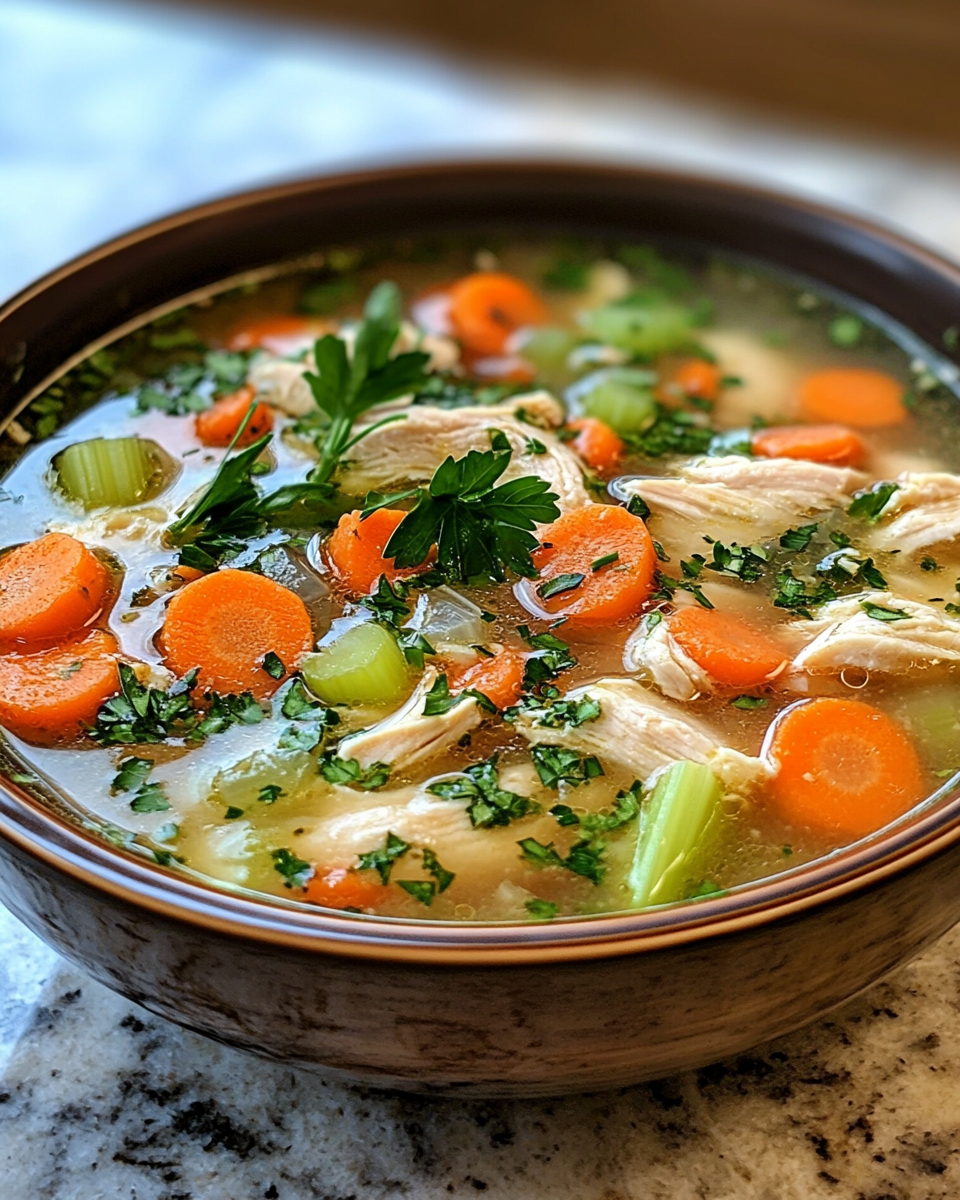
Leftovers can be used in many ways. Slice and add to salads, wraps, sandwiches, or grain bowls. It also works well in soups or pasta dishes. Keeping it stored in an airtight container helps maintain freshness for several days.