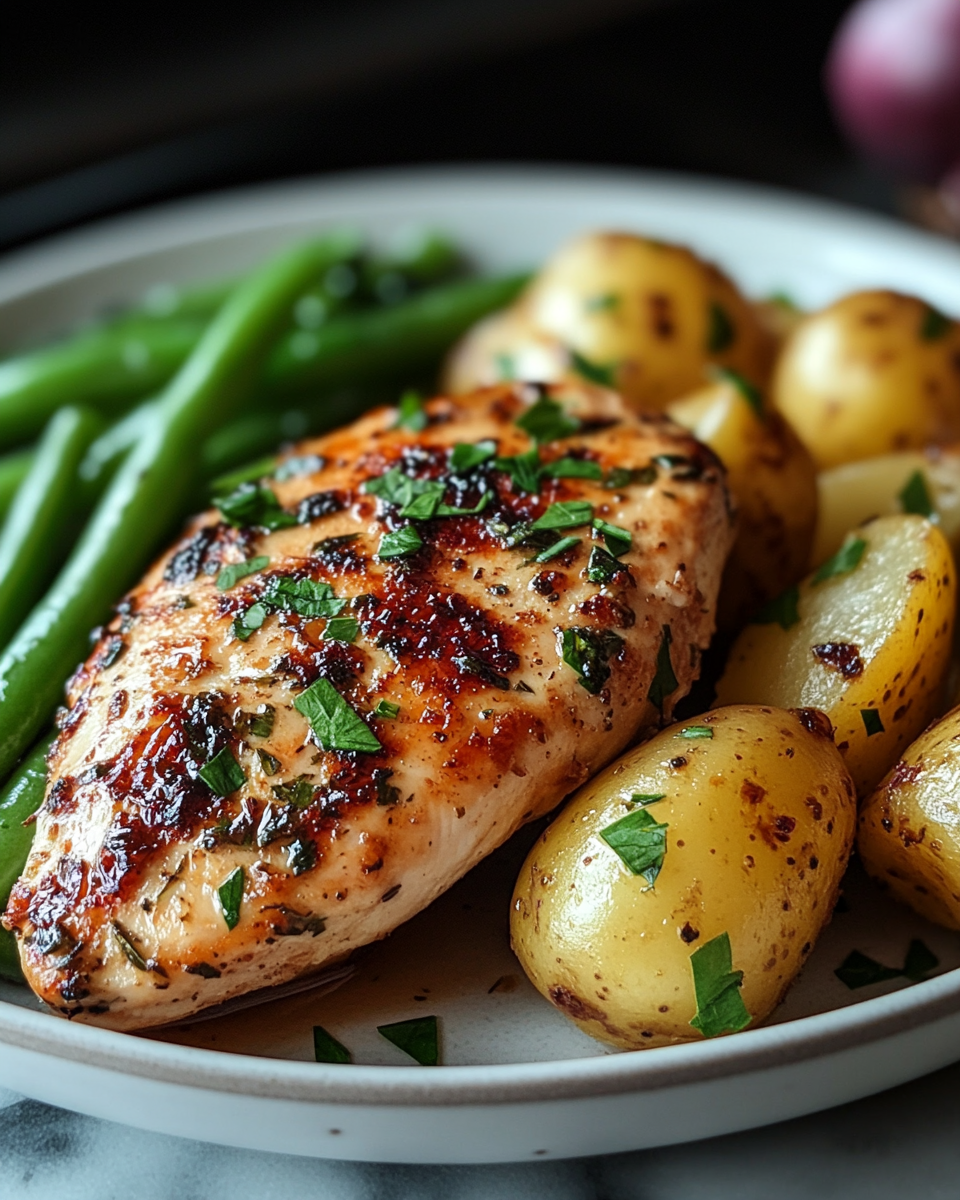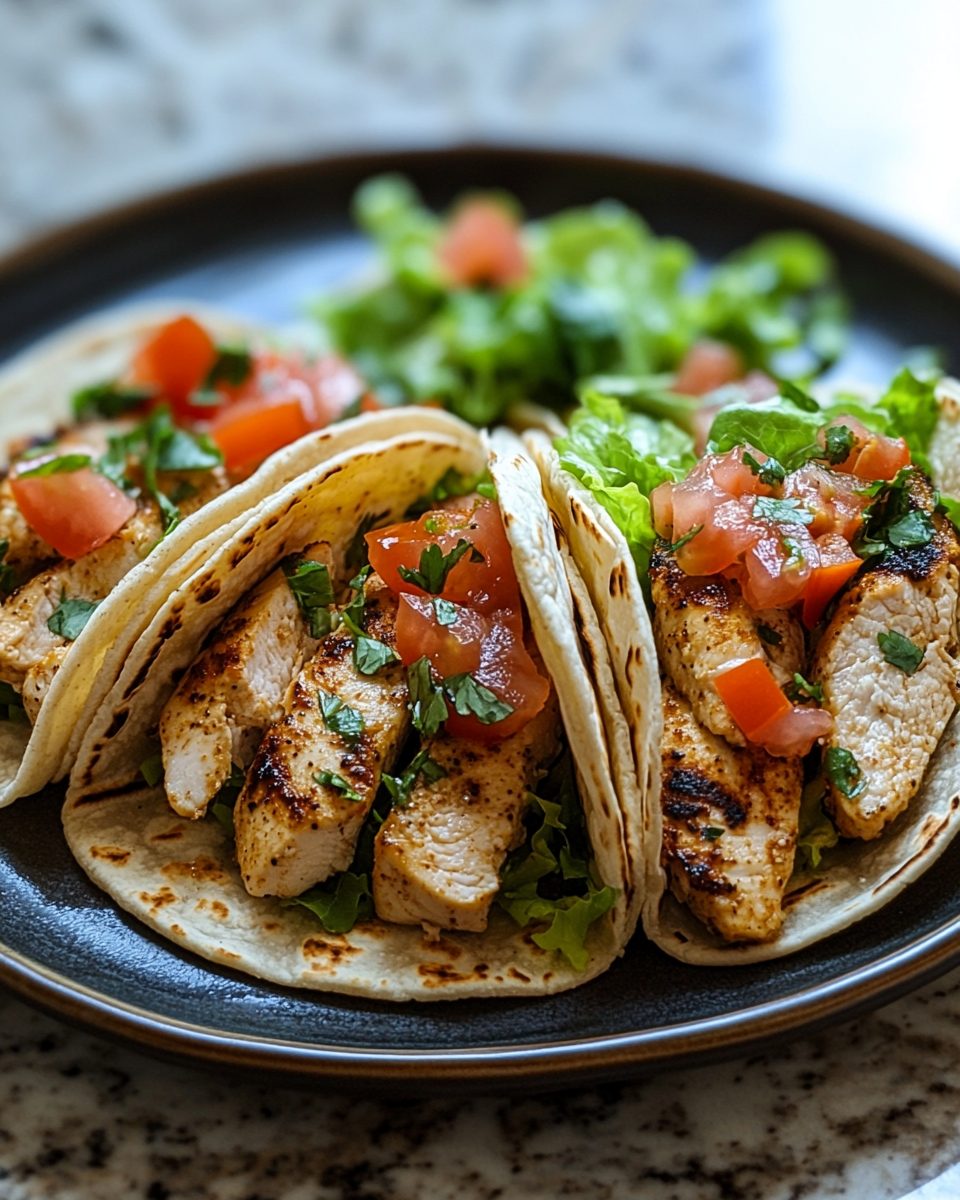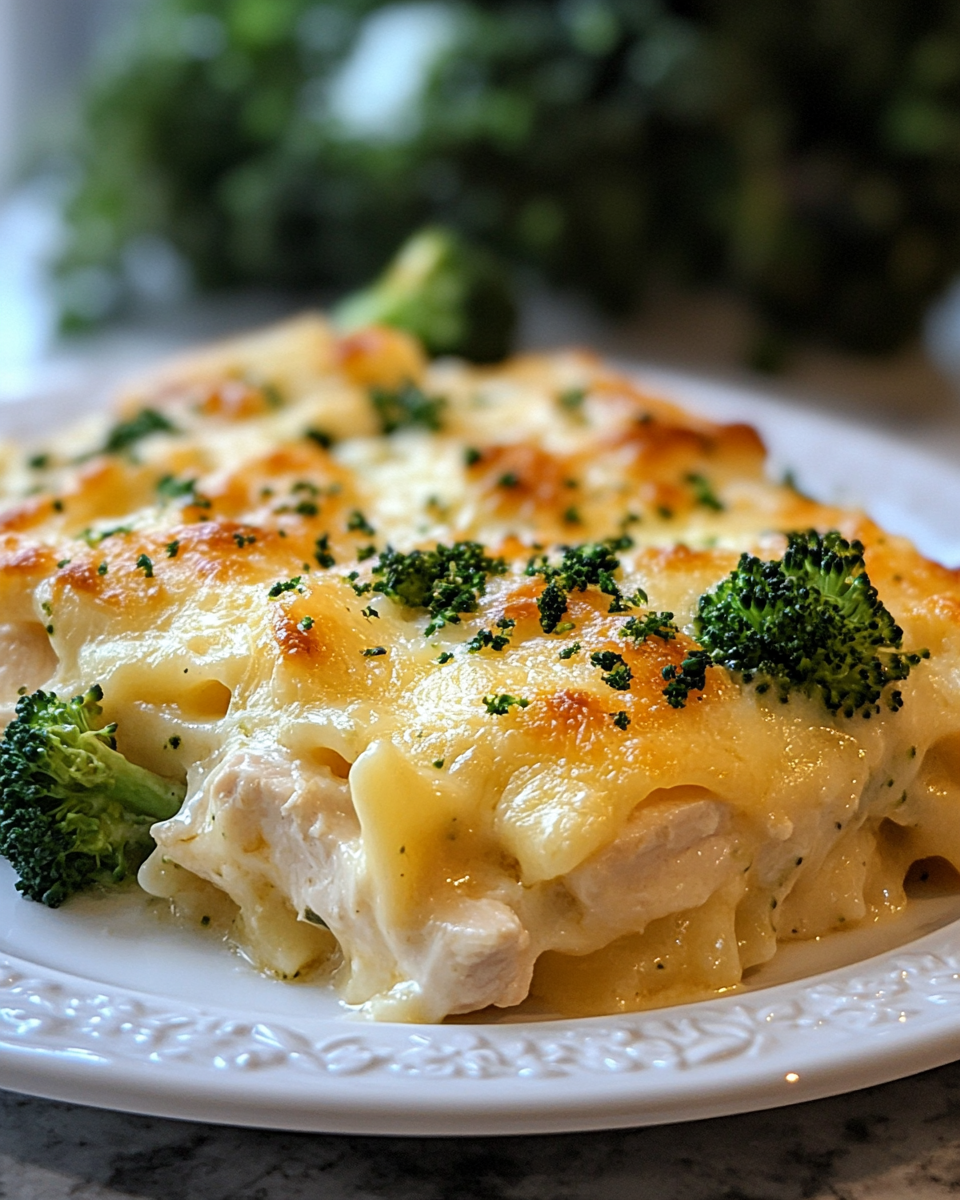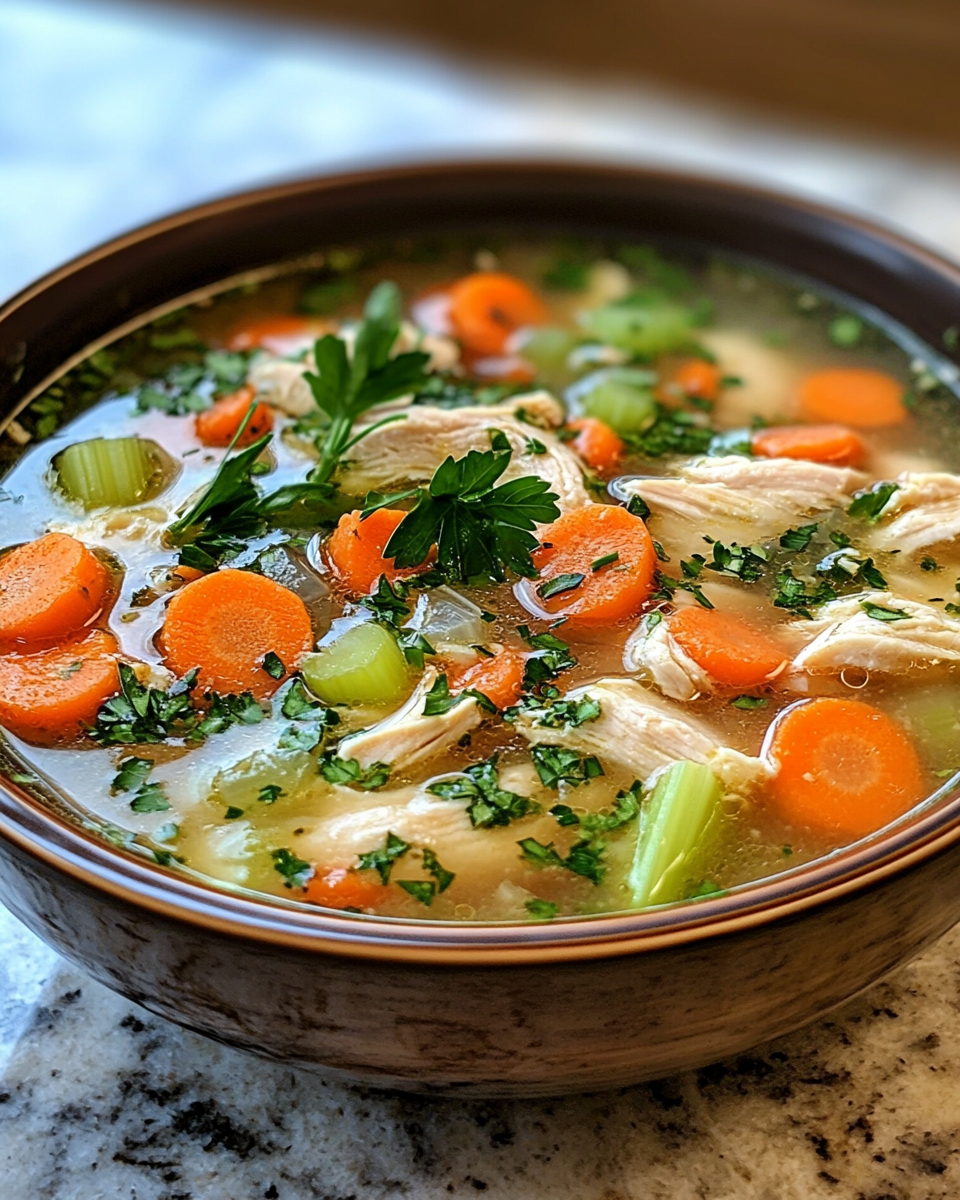
Chicken breast cooked in a skillet is one of those meals that fits almost any routine, from busy weeknights to relaxed weekends. The beauty of this dish comes from its straightforward method, golden seared edges, and juicy center that absorbs all the seasoning from the pan.
This easy chicken breast skillet recipe brings together pantry spices, a hot pan, and a short cooking time to create a meal that feels comforting without requiring complicated steps. The result is tender chicken with a lightly crisp exterior and rich pan flavor that pairs well with vegetables, rice, or potatoes.
It is a dependable way to cook chicken when time is limited but a satisfying homemade meal is still the goal.
Ingredients Overview
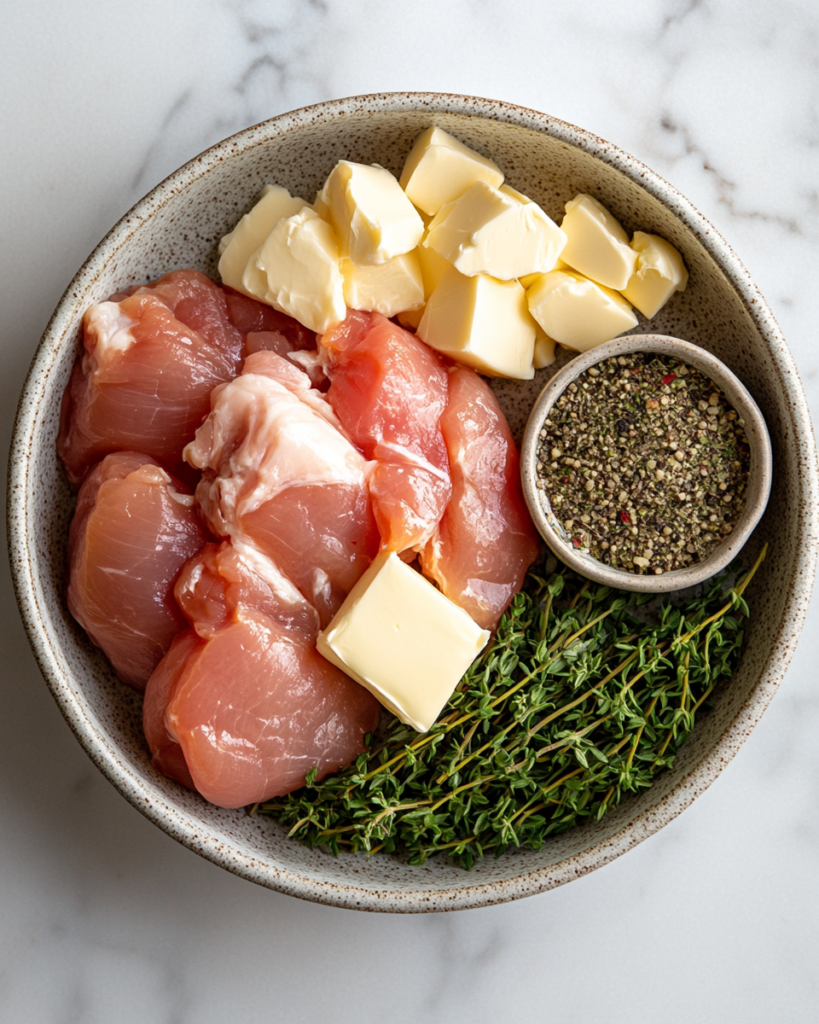
Chicken breast is the main focus of this recipe, and choosing even-sized pieces helps them cook evenly in the skillet. Boneless, skinless cuts work best since they sear quickly and absorb seasoning well. Pounding the chicken lightly helps create uniform thickness, which supports even cooking and a tender bite.
Olive oil or a neutral cooking oil is used for searing. It helps develop a golden crust while preventing sticking. Butter is often added near the end of cooking for a richer flavor and a slightly glossy finish on the chicken.
Garlic and onion powder bring depth without the need for fresh aromatics, although minced fresh garlic can also be used if preferred. Paprika adds warmth and a mild smoky note, while salt and black pepper provide balance.
A small splash of chicken broth can be added to the pan after searing to lift the browned bits from the skillet. This creates a light sauce that coats the chicken and adds extra flavor.
Fresh herbs such as parsley or thyme bring brightness when sprinkled at the end. Lemon juice can also be added for a gentle tang that cuts through the richness of the skillet.
Each ingredient works together to build layers of flavor while keeping the recipe simple and approachable. The seasoning is flexible, so it can be adjusted based on personal taste or what is available in the kitchen.
Ingredients
2 large boneless, skinless chicken breasts
1 ½ teaspoons salt
1 teaspoon black pepper
1 teaspoon paprika
1 teaspoon garlic powder
1 teaspoon onion powder
2 tablespoons olive oil
1 tablespoon butter
½ cup chicken broth
1 tablespoon fresh lemon juice
1 tablespoon chopped fresh parsley
Step-by-Step Instructions
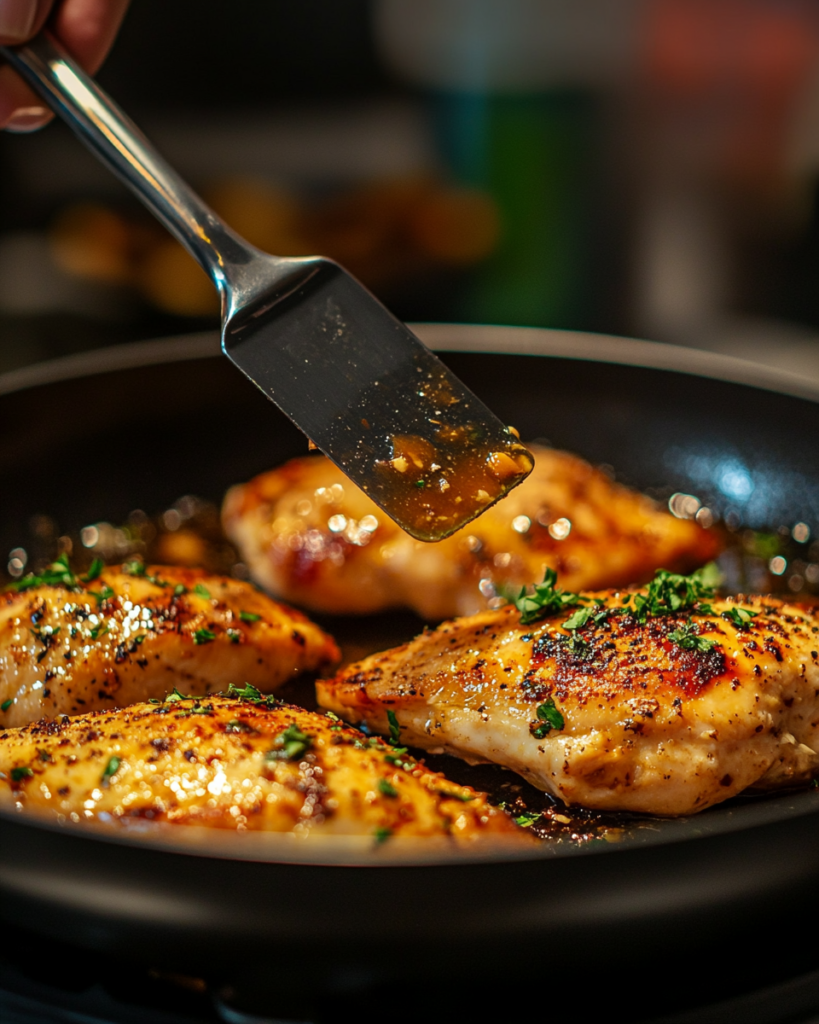
Start by preparing the chicken breasts. Place them on a cutting board and gently pound them to an even thickness using a meat mallet or rolling pin. This step helps the chicken cook evenly and keeps the texture tender throughout.
Pat the chicken dry using paper towels. Removing excess moisture allows the surface to brown properly when it hits the hot skillet. Season both sides generously with salt, black pepper, paprika, garlic powder, and onion powder. Press the seasoning lightly into the surface so it adheres well.
Place a large skillet over medium-high heat and add olive oil. Allow the oil to heat until it shimmers slightly. This indicates it is ready for searing.
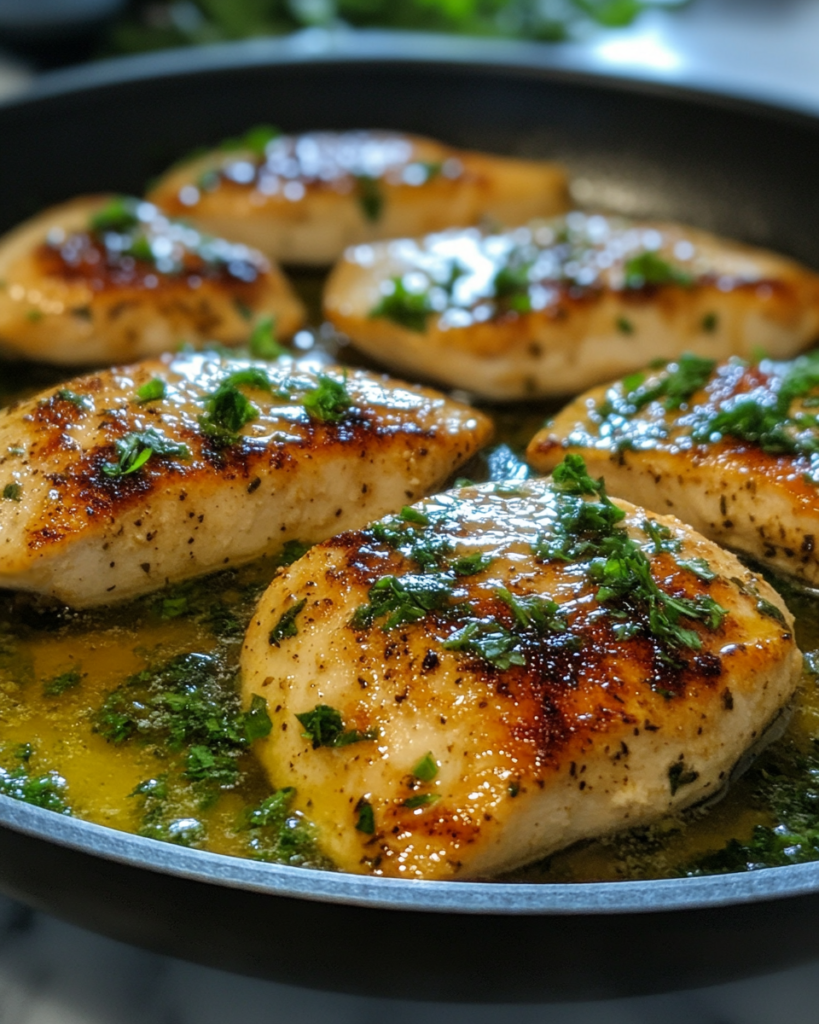
Carefully place the chicken breasts into the skillet. They should sizzle immediately when they make contact with the pan. Cook without moving them for about 5 to 6 minutes on the first side. This helps form a golden crust.
Flip the chicken and reduce the heat slightly to medium. Cook for another 5 to 6 minutes on the second side. The chicken should develop a rich golden-brown surface while staying juicy inside. Cooking time may vary depending on thickness.
Check doneness by inserting a thermometer into the thickest part of the chicken. It should read 165°F (75°C). If the chicken is not fully cooked, lower the heat and continue cooking for a few more minutes.
Once cooked through, transfer the chicken to a plate and set aside. Add butter to the same skillet. As it melts, pour in the chicken broth and stir gently, scraping up the browned bits from the bottom of the pan. These bits add deep flavor to the sauce.
Let the sauce simmer for 2 to 3 minutes until slightly reduced. Stir in lemon juice for brightness.
Return the chicken to the skillet and spoon the sauce over the top. Allow it to rest in the sauce for a minute or two so the flavors settle into the meat.
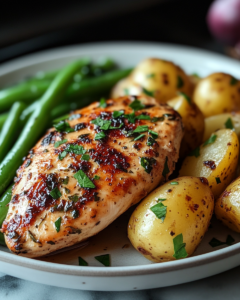
Sprinkle fresh parsley before serving. The chicken can be sliced or served whole, depending on preference. The skillet sauce can be poured over rice, vegetables, or potatoes for a complete meal.
Avoid cooking on very high heat for too long, as this can dry out the chicken exterior before the inside finishes cooking. Keeping an eye on the heat level helps maintain a juicy texture.
Tips, Variations & Substitutions
Pounding the chicken to an even thickness is one of the most helpful steps for consistent cooking. It prevents one side from drying out while the other finishes.
For added flavor, marinate the chicken in olive oil, lemon juice, and spices for 30 minutes before cooking. This gives the seasoning more time to settle into the meat.
Smoked paprika can be used instead of regular paprika for a deeper, smoky taste. Italian seasoning or dried thyme also works well in place of individual spices.
If chicken broth is not available, a small amount of water mixed with a pinch of salt can be used to create the pan sauce. It will still lift the browned bits from the skillet.
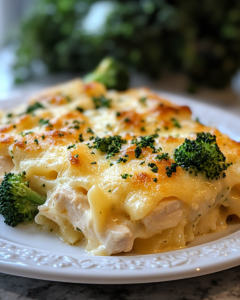
For a creamy version, a splash of heavy cream can be added to the sauce at the end of cooking. This creates a richer texture that pairs well with mashed potatoes or pasta.
Vegetables such as spinach, mushrooms, or bell peppers can be added to the skillet after the chicken is removed. They cook quickly in the remaining sauce and absorb the flavors.
Serving Ideas & Occasions
This skillet chicken pairs well with a wide range of side dishes. Steamed rice, mashed potatoes, or roasted vegetables all complement the savory pan sauce. For a lighter option, it can be served with a fresh green salad.
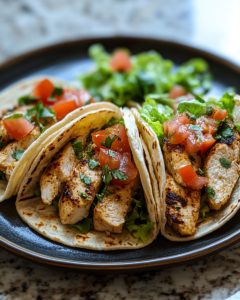
It also works well sliced over pasta with a drizzle of the skillet sauce. Crusty bread can be served on the side to soak up any remaining juices.
This dish fits into weeknight dinners, meal prep plans, or casual family meals. It reheats well, making it practical for leftovers the next day.
A simple glass of iced tea, lemonade, or sparkling water pairs nicely with the flavors of the chicken.
Nutritional & Health Notes
Chicken breast is a lean source of protein, making it a popular choice for balanced meals. It is low in fat and provides essential nutrients that support daily energy needs.
Cooking it in a skillet with controlled oil use keeps the dish lighter while still offering good flavor. The addition of herbs and spices adds taste without relying on heavy ingredients.
The skillet sauce is relatively light, especially when made with broth and a small amount of butter. It can be adjusted based on dietary preferences by reducing or replacing certain ingredients.
Overall, this recipe fits well into a balanced eating plan when paired with vegetables and whole grains.
FAQs
How do I keep chicken breast from drying out in a skillet?
Keeping chicken breast juicy depends on heat control and timing. Cooking over medium-high heat to start helps form a crust, but lowering the heat after flipping prevents the exterior from overcooking. Pounding the chicken to an even thickness also helps it cook evenly. Resting the chicken after cooking allows the juices to settle back into the meat instead of running out when sliced.
Can I use chicken thighs instead of chicken breasts?
Chicken thighs work well in this recipe and often result in a juicier texture due to their higher fat content. Cooking time may be slightly longer depending on thickness. The seasoning and skillet method remain the same, but thighs can handle a bit more heat without drying out, making them a flexible alternative.
What type of skillet works best for this recipe?
A heavy-bottomed skillet such as cast iron or stainless steel works best because it holds heat evenly and creates a good sear. Nonstick pans can also be used, but they may not produce the same level of browning. The key is allowing the pan to heat properly before adding the chicken.
Can I prepare the chicken ahead of time?
Yes, the chicken can be seasoned a few hours ahead and stored in the refrigerator until ready to cook. This gives the spices more time to absorb into the meat. It is best to cook it fresh for the best texture, but pre-seasoning can save time during busy evenings.
How do I know when the chicken is fully cooked?
The most reliable method is using a meat thermometer. The internal temperature should reach 165°F (75°C) at the thickest part. Without a thermometer, the chicken should feel firm and the juices should run clear when cut. Avoid overcooking, as this can make the meat dry.
Can I make this recipe without broth?
Yes, broth adds depth to the pan sauce, but it is not required. You can use a small amount of water instead. The browned bits from the skillet will still create flavor when mixed with butter and lemon juice. The sauce will be slightly lighter but still tasty.
What vegetables go well with skillet chicken?
Many vegetables pair well, including broccoli, zucchini, spinach, bell peppers, and mushrooms. They can be sautéed in the same skillet after the chicken is removed or served on the side. Roasted vegetables also work well and add texture to the meal.