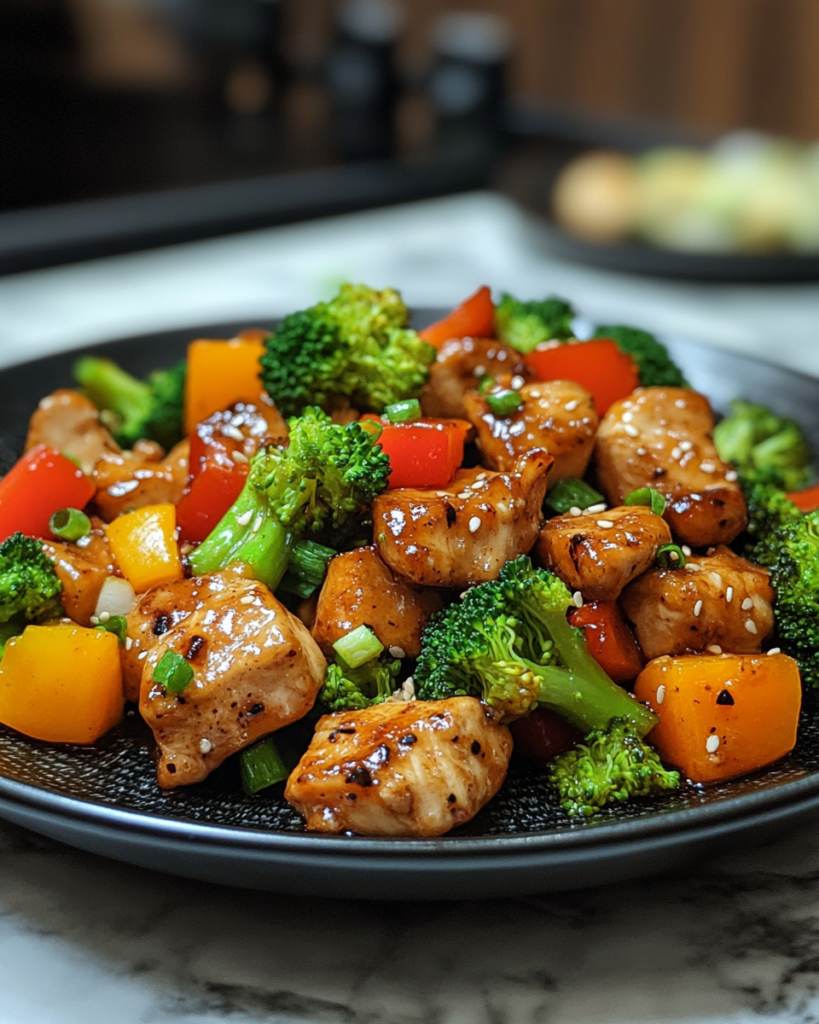
Chicken Breast Stir Fry (Quick & Easy) brings together tender slices of chicken, crisp vegetables, and a savory sauce cooked in a single pan. This dish focuses on fast preparation and balanced flavor without complicated steps or hard-to-find ingredients.
The chicken cooks quickly over high heat, creating a lightly browned surface while staying tender inside. Vegetables add crunch and color, while the sauce ties everything together with a savory coating that clings to each piece.
This style of cooking works well for busy schedules because everything finishes in a short cooking window. A single skillet or wok keeps cleanup minimal while still producing a satisfying meal.
The balance of protein and vegetables makes this stir fry suitable for lunch or dinner. Each bite delivers texture contrast between soft chicken and crisp vegetables.
Ingredients Overview
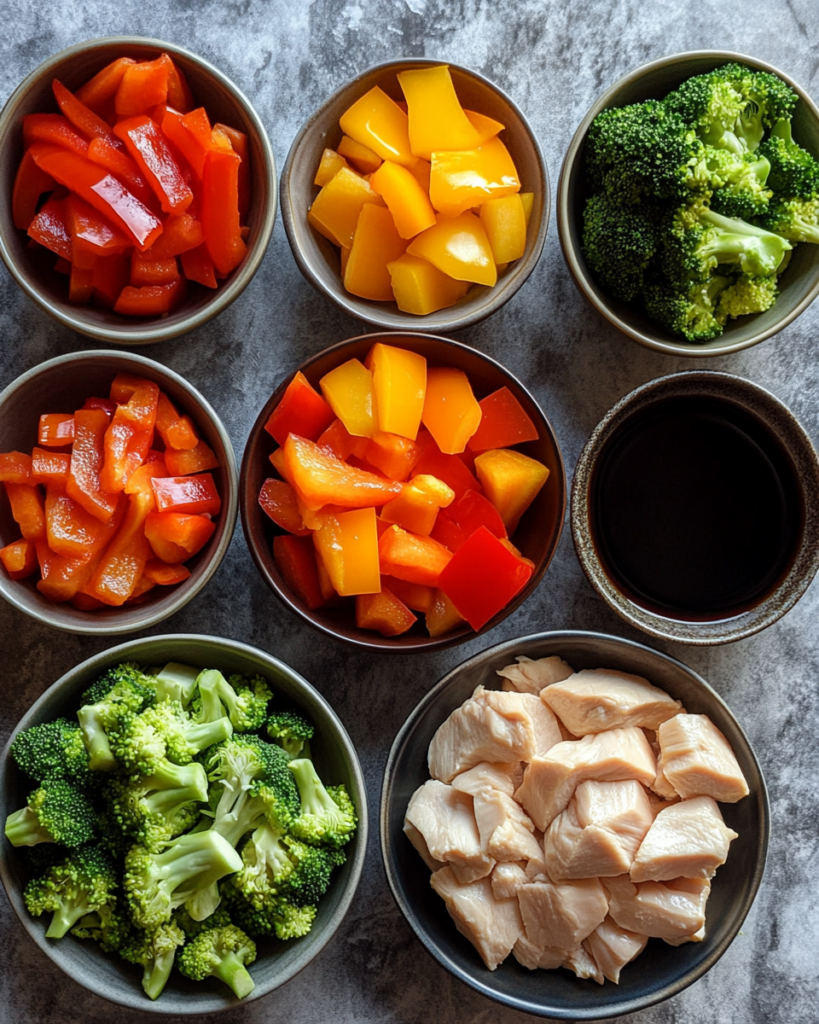
Chicken breast forms the base of this dish, offering lean protein that cooks quickly when sliced thin. Thin slices help the chicken absorb flavor from the sauce while keeping a tender texture.
Aromatics like garlic and ginger build depth in the cooking oil. They release fragrance when heated and form the flavor foundation for the entire stir fry.
Vegetables such as bell peppers, broccoli, and carrots bring color, crunch, and natural sweetness. These ingredients hold their shape under high heat and complement the soft chicken pieces.
Soy sauce provides saltiness and umami depth. A small amount of sesame oil adds a nutty aroma that enhances the overall taste profile without overpowering the dish.
Cornstarch helps lightly coat the chicken, giving it a soft outer texture and allowing the sauce to cling better. A small amount of sugar balances saltiness and rounds out the flavor.
Cooking oil with a high smoke point, such as canola or vegetable oil, is ideal for stir frying. It supports high-heat cooking without burning.
Ingredients
1 1/2 pounds chicken breast, thinly sliced
2 tablespoons soy sauce
1 tablespoon cornstarch
2 tablespoons vegetable oil
3 cloves garlic, minced
1 teaspoon fresh ginger, minced
1 red bell pepper, sliced
1 cup broccoli florets
1 medium carrot, sliced thin
1/4 cup soy sauce (for sauce)
1 tablespoon oyster sauce
1 teaspoon sesame oil
1 teaspoon sugar
1/4 cup water
1/4 teaspoon black pepper
2 green onions, sliced
Step-by-Step Instructions
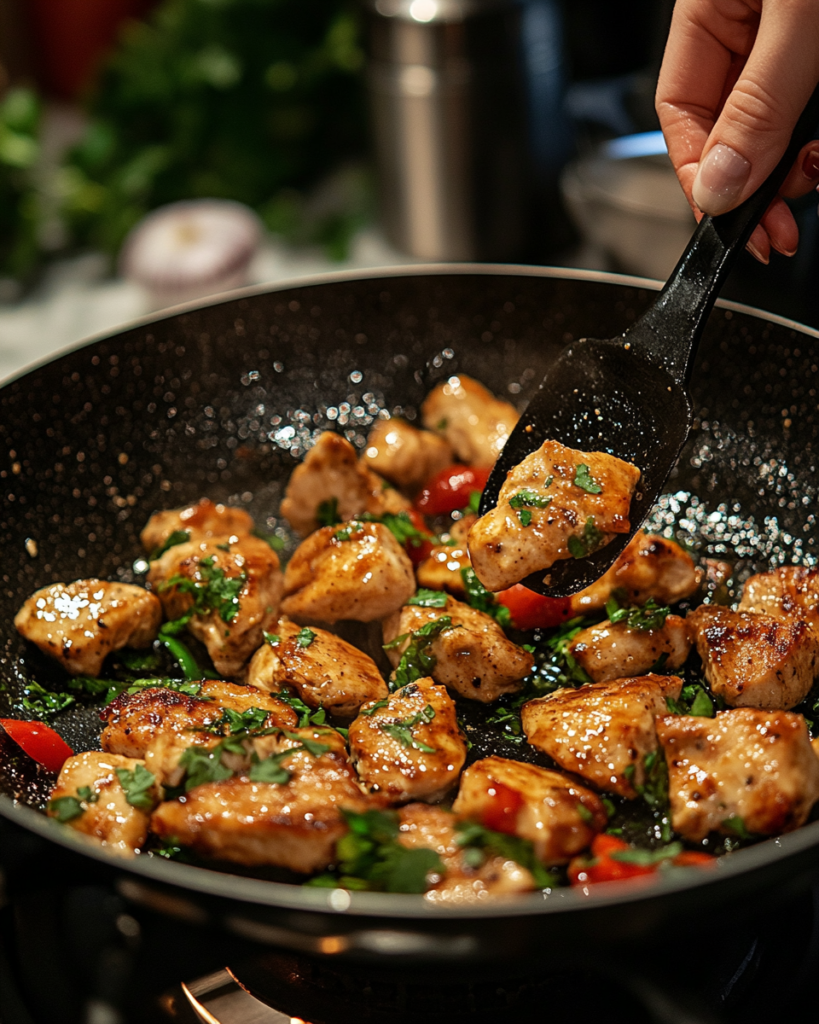
Begin by placing sliced chicken breast in a bowl. Add soy sauce and cornstarch, then mix until each piece is lightly coated. Allow the chicken to rest while preparing other ingredients. This short resting period helps the coating adhere.
Heat a large skillet or wok over medium-high heat. Add vegetable oil and swirl to coat the surface. Once the oil becomes hot, place chicken pieces in a single layer. Cook without stirring for a short moment so the surface develops light browning.
Turn the chicken pieces and continue cooking until they are no longer pink. Remove chicken from the pan and set aside. Keeping the chicken separate at this stage prevents overcooking.
Add a small amount of additional oil if the pan appears dry. Place garlic and ginger into the pan. Stir for a brief moment until aromatic. Care must be taken not to burn these aromatics, as they can turn bitter.
Add bell pepper, broccoli, and carrot to the pan. Stir continuously so vegetables cook evenly while retaining crisp texture. High heat helps maintain structure and color.
Combine soy sauce, oyster sauce, sesame oil, sugar, water, and black pepper in a small bowl. Pour this mixture into the pan once vegetables begin to soften slightly.
Return cooked chicken to the pan. Stir everything together so sauce coats chicken and vegetables evenly. Allow the mixture to simmer briefly until sauce thickens slightly and clings to ingredients.
Finish by adding sliced green onions. Stir once more and remove from heat. Serve immediately while texture remains balanced between tender chicken and crisp vegetables.
Common issues include overcooking chicken or letting vegetables become too soft. Keeping heat steady and timing each step carefully helps maintain texture.
Tips, Variations & Substitutions
Thin slicing of chicken is important for even cooking. Cutting against the grain helps maintain tenderness throughout the dish. A short marination period improves flavor absorption.
Vegetables can be adjusted based on preference or availability. Snow peas, zucchini, or mushrooms work well in place of broccoli or bell pepper. Each brings a slightly different texture.
For a slightly spicier profile, add sliced chili or a small amount of chili paste during the aromatics stage. This adds warmth without overpowering other flavors.
Tamari can replace soy sauce for a gluten-free option. If oyster sauce is unavailable, a small amount of additional soy sauce with a touch of sugar can provide similar depth.
Cooking in batches helps if the pan is small. Overcrowding reduces heat efficiency and can lead to steaming rather than browning.
Serving Ideas & Occasions
This stir fry pairs well with steamed rice or simple noodles. The sauce blends into grains, creating a cohesive meal with minimal extra seasoning required.
It works well for lunch preparation or evening meals when cooking time is limited. The dish also fits casual gatherings where a single-pan recipe is preferred.
For added variety, serve alongside a light cucumber salad or steamed greens. These sides complement the savory profile without overwhelming it.
A warm bowl of this stir fry offers a balanced combination of protein and vegetables, making it suitable for everyday meals.
Nutritional & Health Notes
Chicken breast provides lean protein that supports muscle maintenance and satiety. It contains minimal fat when prepared without heavy coatings or frying methods.
Vegetables contribute dietary fiber, vitamins, and minerals. Their inclusion helps balance the protein content and adds volume to the dish without excessive calories.
Soy sauce adds sodium, so moderation is helpful for those monitoring salt intake. Low-sodium versions can be used for a lighter profile.
Cooking with controlled oil amounts keeps fat content moderate while still supporting proper heat distribution in the pan.
FAQs
Can chicken thighs replace chicken breast?
Chicken thighs can replace chicken breast in this stir fry. They contain slightly higher fat content, which can result in a richer texture. Slicing them thinly helps maintain even cooking. Cooking time may vary slightly since thighs can take a bit longer to reach full doneness compared to breast meat.
Which vegetables work aside from those listed?
Many vegetables fit well in this dish. Snap peas, baby corn, bok choy, and mushrooms are all suitable options. Each vegetable brings its own texture, ranging from crisp to soft. Cooking times should be adjusted so firmer vegetables go into the pan earlier than softer ones.
Can this dish be prepared ahead?
Preparation can be done in advance by slicing chicken and vegetables ahead of cooking. Storing them separately keeps texture intact. Cooking immediately before serving helps maintain the crispness of vegetables and prevents chicken from drying out during reheating.
What pan works best for stir frying?
A wok or large skillet with high sides works well for stir frying. These pans distribute heat evenly and allow ingredients to move freely. A heavy-bottomed skillet also works if a wok is not available, as long as heat is maintained consistently during cooking.
Can the sauce be adjusted for sweetness?
The sauce can be adjusted by increasing or reducing sugar. Small changes affect overall balance, so gradual adjustments are recommended. A slightly sweeter profile pairs well with spicy additions, while a reduced-sugar version highlights savory notes more clearly.
How can chicken stay tender?
Slicing chicken thinly and coating it lightly with cornstarch helps maintain tenderness. Cooking over high heat for a short duration prevents dryness. Removing chicken once cooked and returning it later to the pan also helps preserve texture.
What can be served with this stir fry?
Steamed rice or noodles are common pairings. They absorb the sauce and create a complete meal. Light side dishes such as steamed vegetables or simple salads complement the stir fry without competing with its savory profile.