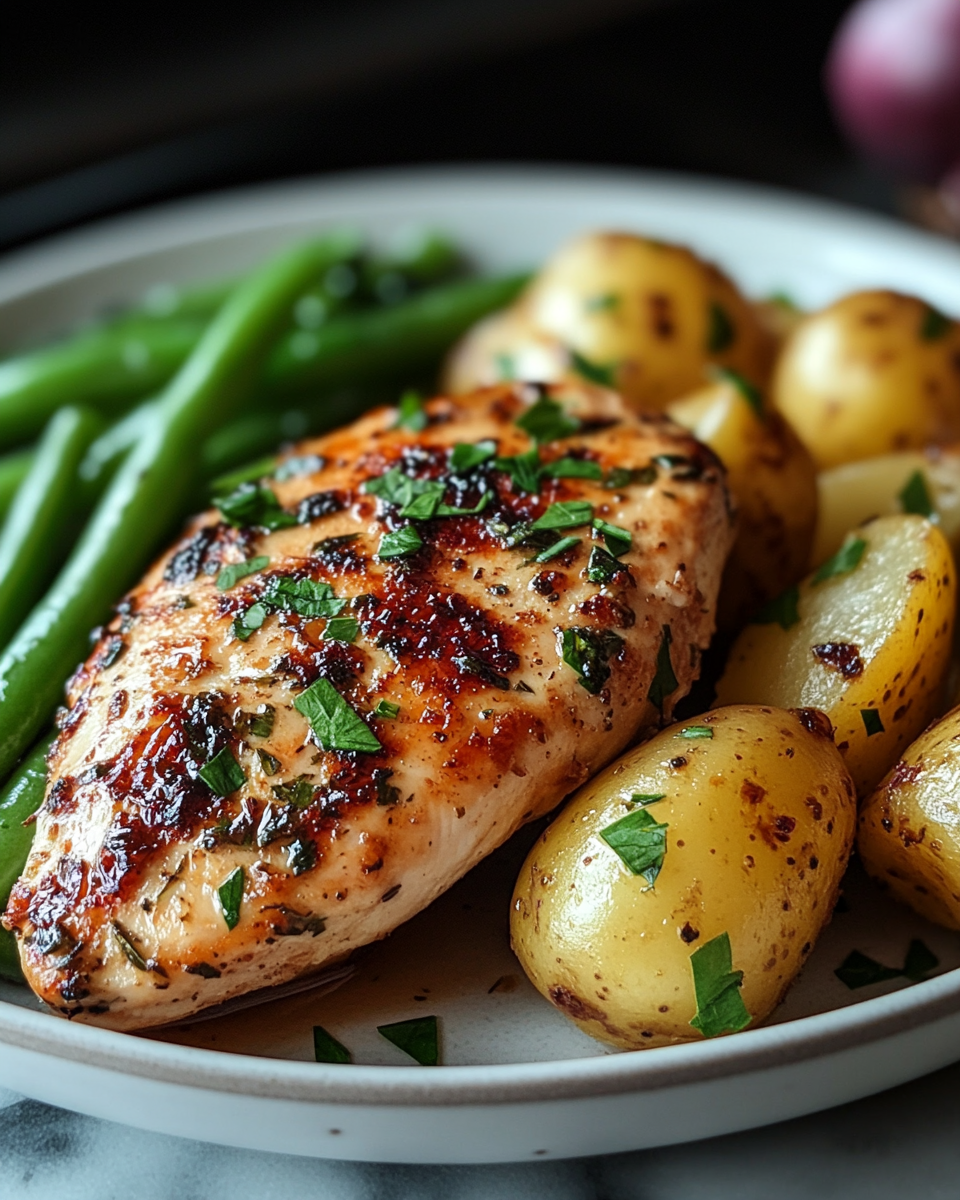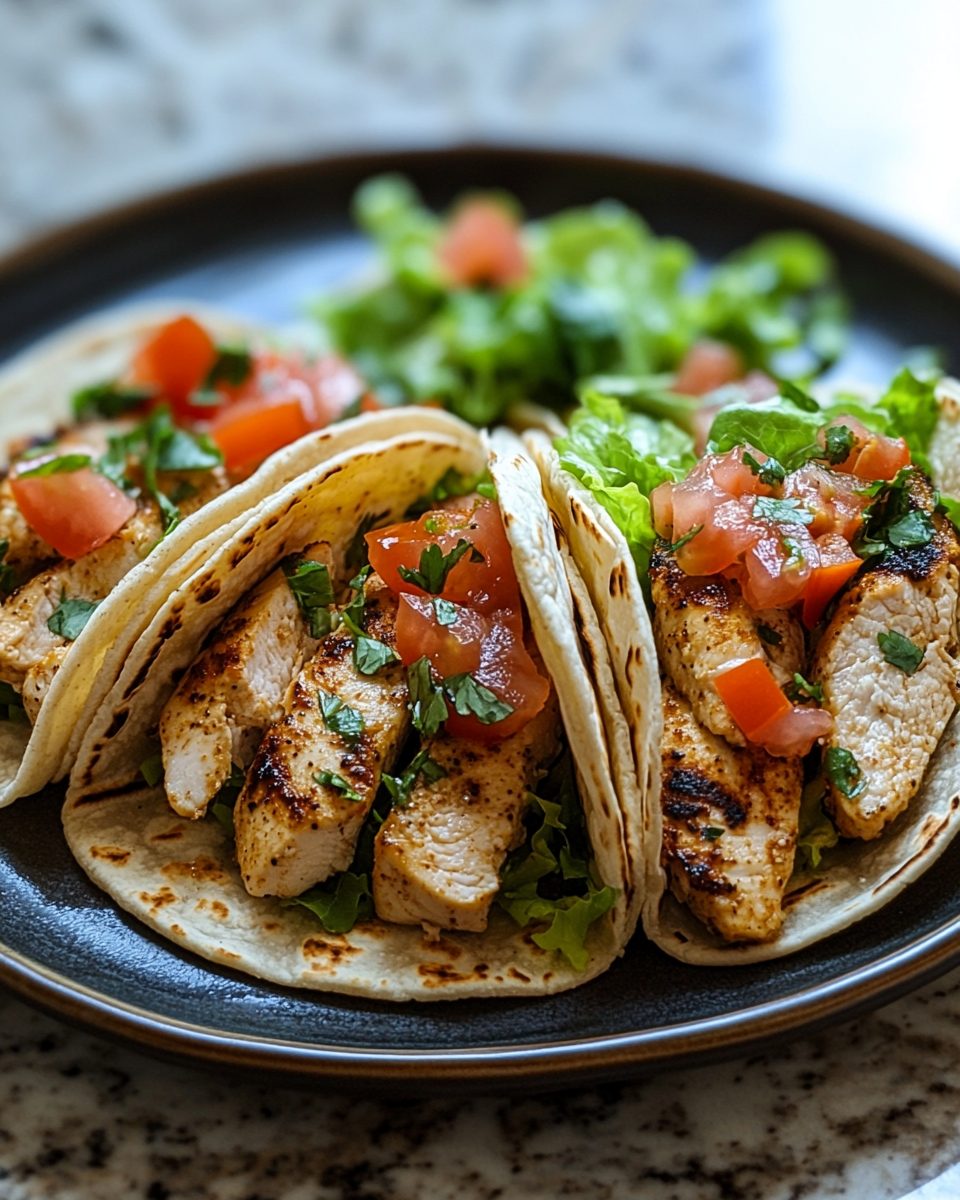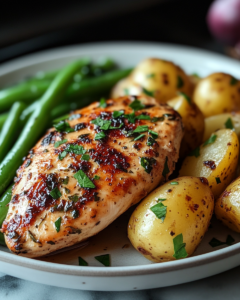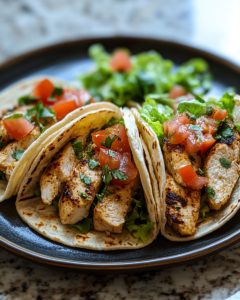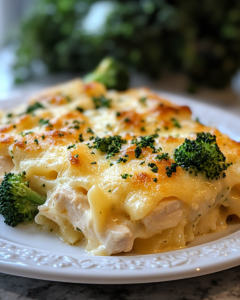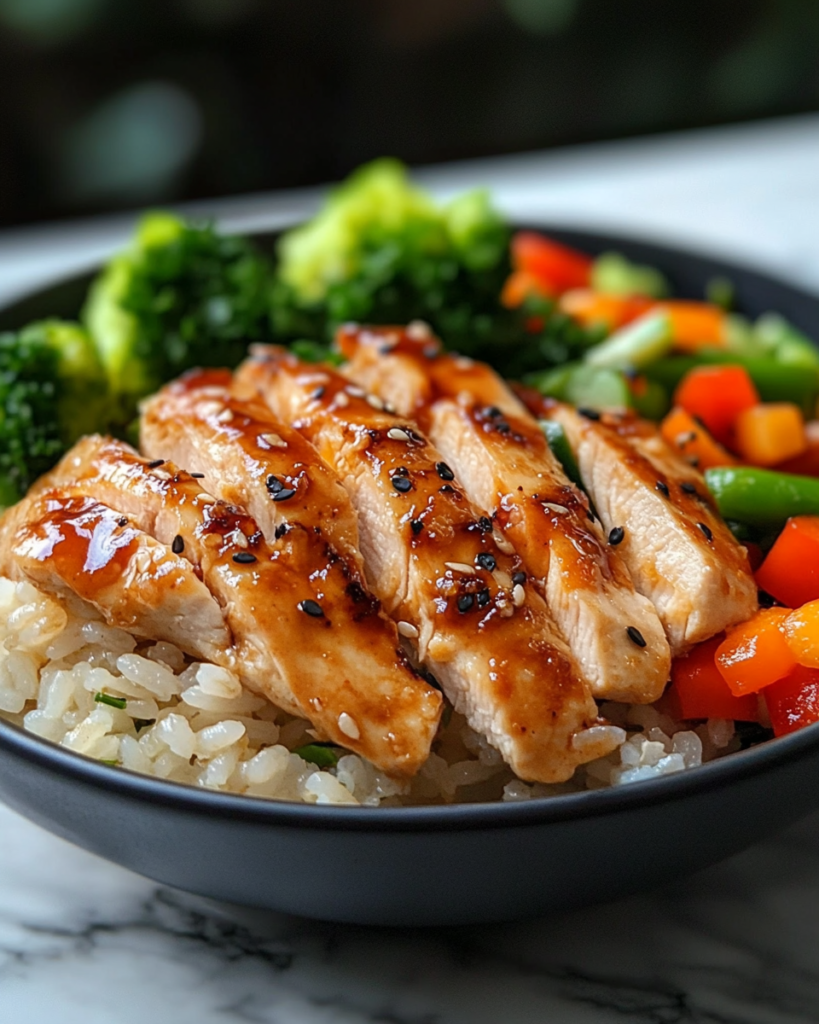
A chicken breast rice bowl delivers a steady combination of protein, grains, and vegetables in a single dish. Tender chicken breast pairs with fluffy rice and lightly seasoned vegetables for a structured meal that fits lunch or dinner service. Each element contributes distinct texture and flavor while remaining grounded in straightforward cooking methods.
This preparation centers on pan-cooked chicken breast sliced and arranged over warm rice. A light seasoning approach keeps the focus on natural ingredients. Vegetables add color contrast and a subtle crunch that complements the soft rice base.
The structure of this dish allows flexible preparation while maintaining a consistent base of protein and grains. It suits batch preparation and individual plating without complex steps.
Ingredients Overview
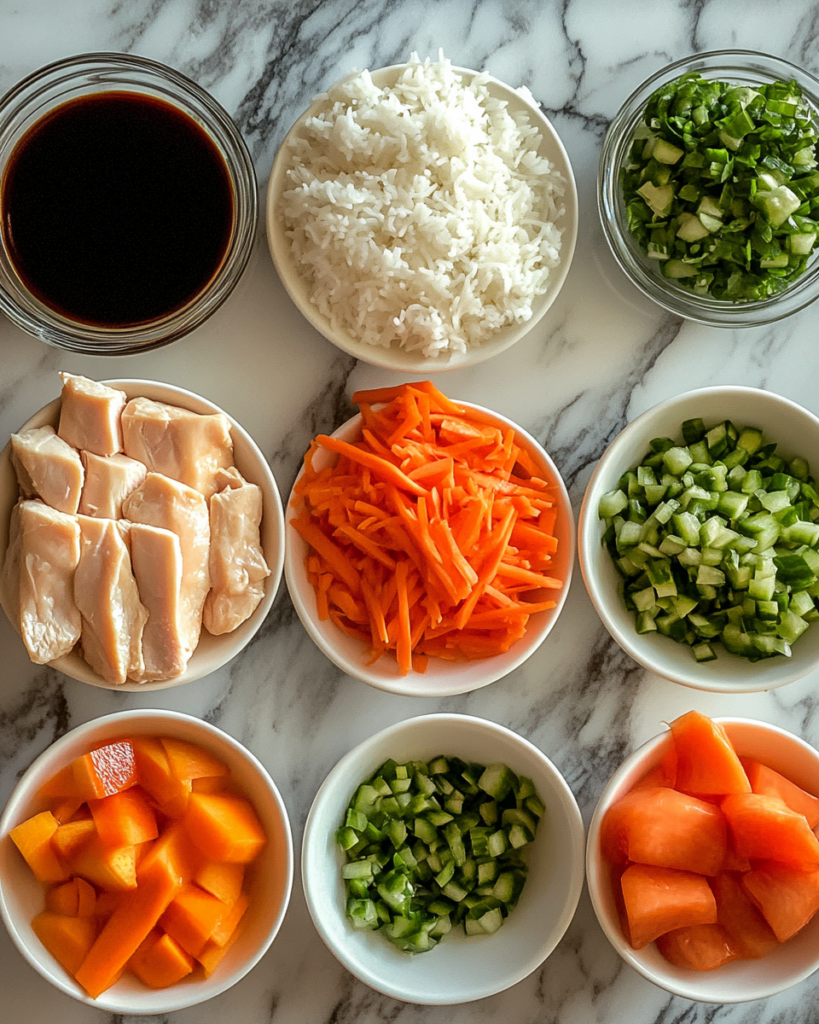
Chicken breast forms the protein foundation of this rice bowl. It provides a firm texture that absorbs seasoning during cooking. Slicing after cooking preserves juiciness and allows even distribution across the rice base.
Long grain rice creates a soft, separated texture that supports the chicken and vegetables. Jasmine rice or basmati rice works well due to their light fragrance and consistent grain structure after cooking.
Vegetables such as carrots, cucumbers, and spinach contribute freshness and balance. Carrots add mild sweetness and crunch, cucumbers provide crisp hydration, and spinach introduces soft leafy texture after slight wilting.
A simple seasoning blend typically includes salt, black pepper, garlic powder, and a light drizzle of oil. This combination supports the chicken without overpowering its natural flavor.
A sauce component such as soy-based dressing or yogurt-based drizzle adds moisture and ties the bowl components together. The sauce remains light to maintain clarity of flavor across all ingredients.
Optional additions like sesame seeds or chopped green onions can add subtle texture and aroma without altering the base structure of the dish.
Ingredients
1 1/2 cups long grain rice
2 1/2 cups water
2 chicken breasts, boneless and skinless
1 tablespoon olive oil
1 teaspoon salt
1/2 teaspoon black pepper
1/2 teaspoon garlic powder
1 carrot, julienned
1 cucumber, sliced
1 cup fresh spinach leaves
2 tablespoons soy sauce
1 teaspoon sesame oil
1 tablespoon plain yogurt (optional)
1 teaspoon lemon juice
1 teaspoon sesame seeds
2 tablespoons chopped green onions
Step-by-Step Instructions
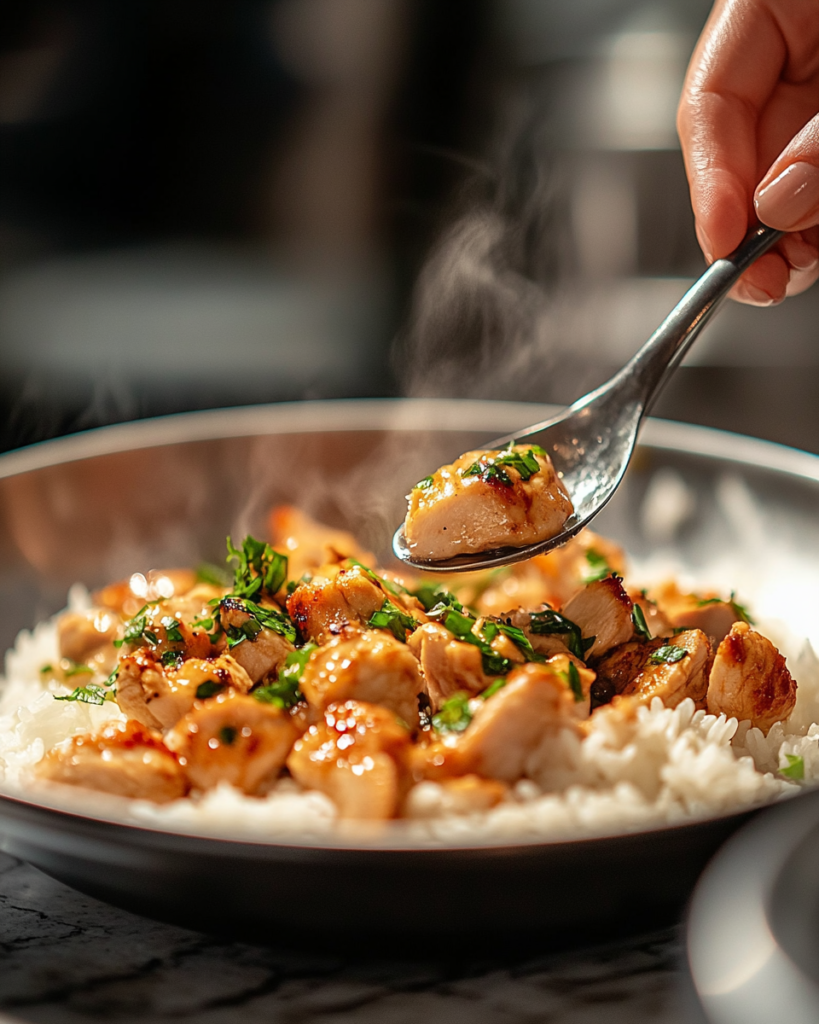
Rinse the rice under cool running water until the water runs clearer. Place rice in a pot with measured water. Bring to a gentle boil, then lower heat to a steady simmer. Cover and allow rice to absorb liquid fully until grains become tender and separated.
Pat chicken breasts dry with a paper towel. This step supports even browning during cooking. Sprinkle salt, black pepper, and garlic powder across both sides of the chicken.
Heat olive oil in a skillet over medium heat. Place chicken breasts into the pan and allow them to cook without frequent movement. This encourages a light golden surface to form.
Cook each side until firm and fully cooked through. Internal texture should feel solid with no soft center. Remove chicken from pan and allow it to rest briefly before slicing.
Slice chicken into even strips across the grain. This helps maintain tenderness in each portion.
Prepare vegetables by washing and slicing. Carrots should be cut into thin strips, cucumbers into rounds, and spinach left whole or lightly torn.
In a small bowl, mix soy sauce, sesame oil, and lemon juice. Yogurt can be added for a creamier consistency if desired.
Place cooked rice into serving bowls as the base layer. Arrange sliced chicken across the center. Distribute vegetables around the chicken for visual balance.
Drizzle prepared sauce over the bowl. Finish with sesame seeds and chopped green onions for added texture and aroma.
Tips, Variations & Substitutions
Chicken breast can be replaced with turkey breast or tofu for a plant-based version. Firm tofu should be pressed before cooking to reduce moisture and improve texture during pan heating.
Rice variety can shift based on preference. Brown rice adds a firmer bite and slightly nutty profile, while white rice remains softer and lighter in texture.
Vegetable selection can vary seasonally. Bell peppers, zucchini, or steamed broccoli work well alongside or in place of the listed vegetables.
For added depth, chicken can be marinated in soy sauce, garlic, and sesame oil for a short period before cooking. This adds surface seasoning without altering the core structure.
Heat level can be adjusted using chili flakes or a mild chili sauce drizzle. These additions should remain light to maintain balance across the bowl.
Serving Ideas & Occasions
This rice bowl fits midday meals or evening servings due to its balanced structure of protein, grains, and vegetables. It works well for portioned meal preparation and individual plating.
Side options can include light soups or additional steamed vegetables for expanded volume. A simple broth-based soup pairs especially well with the rice base.
Beverage pairing can include water with citrus slices or mild herbal tea to complement the clean flavor profile of the bowl.
This dish also suits packed meals due to its stable texture after cooling and reheating.
Nutritional & Health Notes
Chicken breast provides lean protein that supports muscle structure and satiety within a meal framework. Rice contributes carbohydrates that supply steady energy release.
Vegetables in the bowl contribute fiber, vitamins, and hydration elements. The combination supports balanced intake across macronutrient groups.
Oil and sauce components should remain moderate to maintain balance in calorie distribution. Sesame oil and olive oil add flavor while keeping fat content controlled.
This dish can be adjusted for lower sodium intake by reducing soy sauce quantity or selecting low-sodium versions.
FAQs
What type of rice works well for this bowl?
Long grain rice varieties such as jasmine or basmati provide light texture and separated grains after cooking. These characteristics support the chicken and vegetables without creating heaviness in the bowl structure. Brown rice can also be used for a firmer bite and higher fiber content. Cooking ratios may vary slightly depending on rice type, so water levels should be adjusted according to package guidance.
Can frozen chicken breast be used?
Frozen chicken breast can be used after full thawing under cold conditions. Proper thawing allows even cooking and consistent texture. Cooking frozen chicken directly may result in uneven doneness. After thawing, pat the surface dry before seasoning to support proper browning during skillet cooking.
Which vegetables fit this rice bowl structure?
Vegetables with crisp or soft textures work well. Carrots, cucumbers, spinach, bell peppers, and zucchini are common choices. Each vegetable adds contrast in texture and mild flavor variation. Cooking methods can include raw slicing, light steaming, or quick pan warming depending on preference.
Can this dish be prepared in advance?
This rice bowl can be prepared ahead of serving. Rice, chicken, and vegetables can be stored separately to maintain texture integrity. Reheating rice and chicken before assembly helps preserve warmth and structure. Vegetables can remain cold for contrast.
What sauce works well with this bowl?
Soy sauce combined with sesame oil and lemon juice provides a light savory dressing. Yogurt-based sauces also add creaminess without overpowering other components. Sauce quantity should remain moderate to maintain balance across the bowl.
Can another protein replace chicken breast?
Turkey breast, shrimp, or firm tofu can replace chicken breast. Each alternative brings a different texture while maintaining a protein base. Cooking methods vary slightly depending on protein type, especially regarding cooking duration and heat level.
How can flavor depth be increased without heavy seasoning?
Flavor depth can be increased through marination of chicken before cooking or by lightly toasting sesame seeds before topping. Aromatics such as garlic powder or fresh green onion also add subtle layers of taste without altering the overall balance of the dish.