Healthy Chicken Breast Wrap 3 Quick Fresh Recipes

Posted on

Uncategorized

Difficulty

Prep time

Cooking time

Total time

Servings

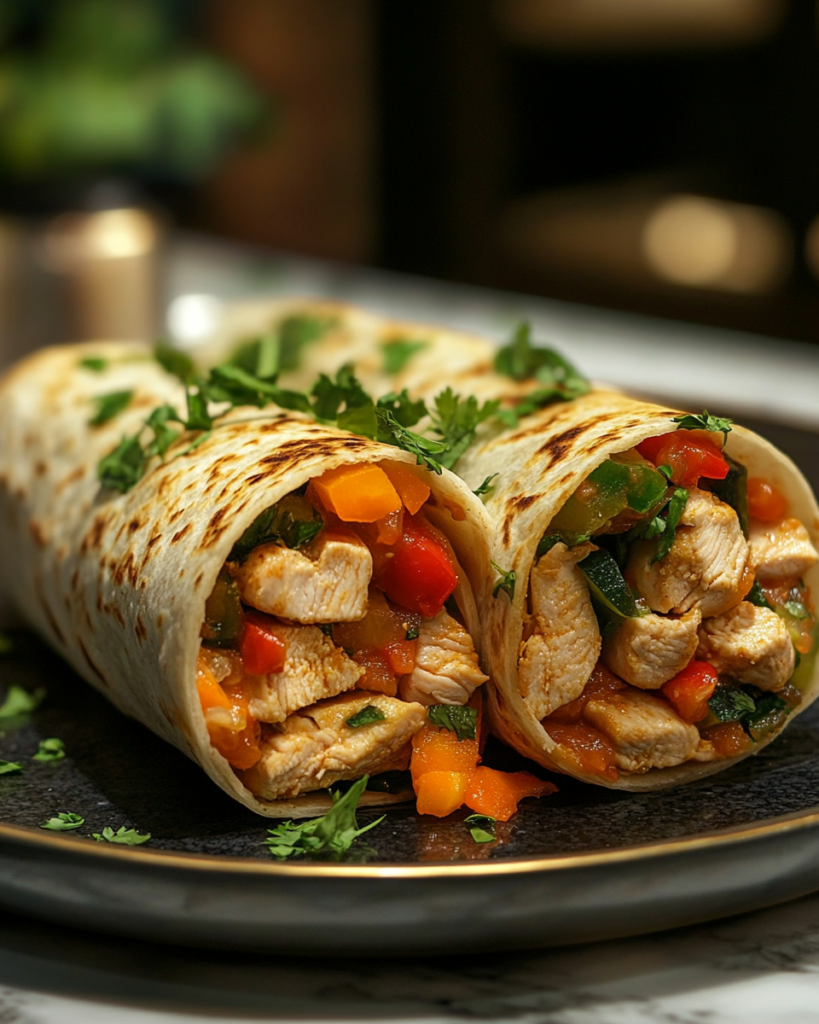
Fresh chicken breast wraps prepared with simple ingredients create a practical meal option suited for midday or evening meals. This style of wrap brings together lean chicken, crisp vegetables, and soft tortillas in a balanced combination that fits into a structured eating plan. Each component plays a distinct role in texture and flavor, resulting in a satisfying handheld meal that works well for batch preparation or single servings.

The chicken breast serves as the central protein source, offering a firm texture when cooked correctly and sliced thinly. Vegetables add crunch and moisture, while sauces provide a smooth binding layer that keeps the wrap cohesive. Tortillas act as the base, holding everything together without overpowering the filling.

This preparation approach focuses on straightforward steps and familiar ingredients. The process remains flexible, allowing adjustments based on available kitchen items. The wrap can be served warm or chilled depending on preference, making it suitable for varied meal settings. Each section below breaks down the components and preparation process in detail.

Ingredients Overview
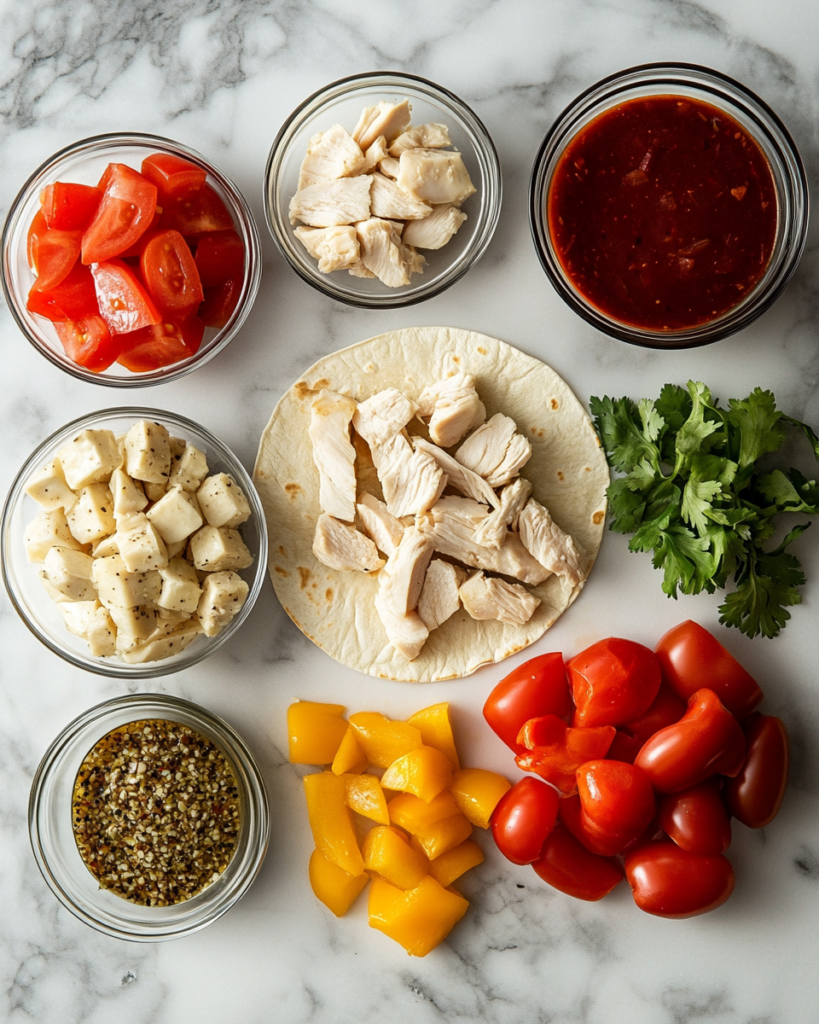
Chicken breast wraps rely on a small group of core ingredients that work together to create balance. Chicken breast is the primary protein and should be cooked until firm but still moist. Slicing it thin allows easier layering inside the tortilla and improves texture distribution across each bite.

Vegetables such as lettuce, cucumber, and tomato contribute freshness and crunch. These ingredients also introduce moisture, which helps prevent the wrap from feeling dry. Thin slicing supports even placement inside the tortilla, allowing consistent texture in each section.

A creamy or tangy sauce binds the ingredients together. Options such as yogurt-based blends or light mayonnaise mixtures help coat the chicken and vegetables without overpowering their natural flavors. Seasonings like salt, pepper, paprika, and garlic powder bring depth to the chicken during cooking.

Tortillas form the structural base. Whole wheat or plain flour tortillas both work well, depending on preference. Warming them slightly improves flexibility and reduces tearing during rolling. Olive oil or a light cooking spray assists in cooking the chicken breast evenly in a pan.

Each ingredient contributes a specific function: protein for structure, vegetables for freshness, sauce for moisture, and tortilla for containment. When combined correctly, the wrap maintains shape and delivers consistent texture from edge to center.

Ingredients

2 large chicken breasts
1 tablespoon olive oil
1 teaspoon salt
1/2 teaspoon black pepper
1 teaspoon paprika
1/2 teaspoon garlic powder
4 medium flour tortillas
1 cup chopped lettuce
1 medium cucumber, thinly sliced
1 medium tomato, sliced
1/2 cup plain yogurt
1 tablespoon mayonnaise
1 teaspoon lemon juice
1/4 teaspoon salt (for sauce)
1/4 teaspoon black pepper (for sauce)

Step-by-Step Instructions
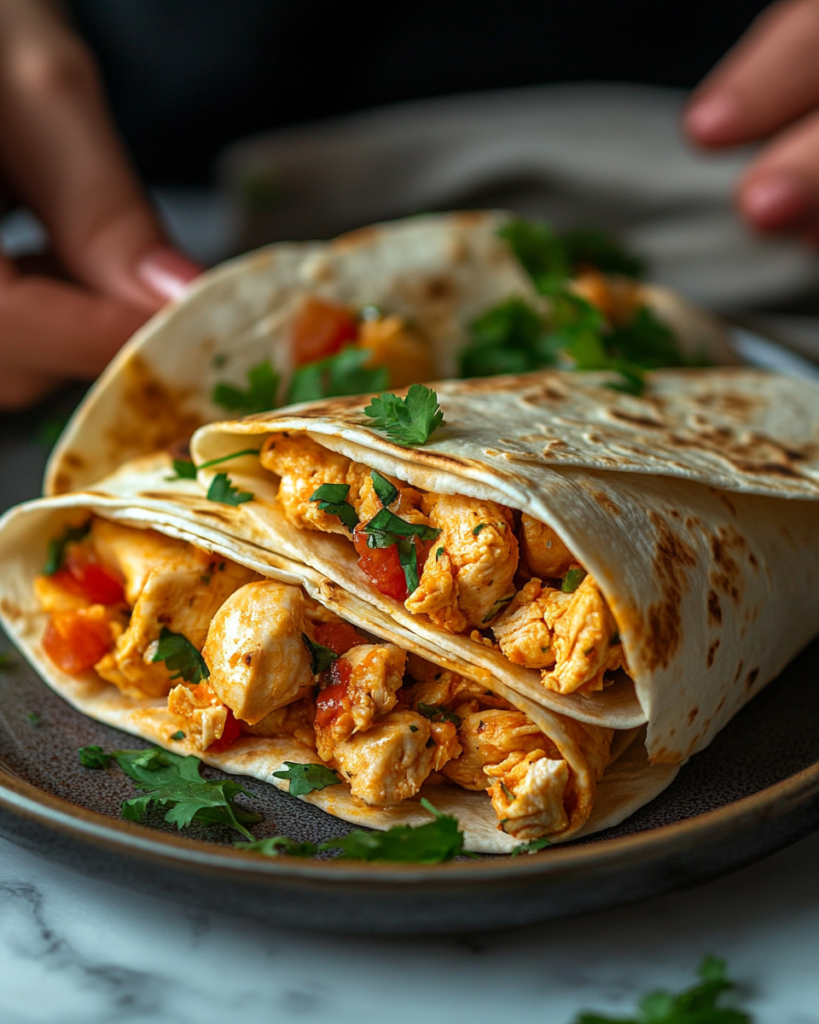
Begin by preparing the chicken breasts. Place them on a clean surface and trim excess fat if present. Pat dry using a paper towel to promote even cooking. Season both sides with salt, black pepper, paprika, and garlic powder. Press seasoning gently into the surface for even coverage.

Heat olive oil in a skillet over medium heat. Once the surface becomes warm, place the chicken breasts into the pan. Cook for several minutes on each side until a golden surface forms. The internal texture should become firm and no longer pink in the center. Remove from heat and allow resting for several minutes before slicing.

While the chicken rests, prepare the sauce. Combine yogurt, mayonnaise, lemon juice, salt, and black pepper in a small bowl. Stir until smooth and consistent. The mixture should appear creamy and slightly tangy.

Slice the rested chicken into thin strips. This improves distribution inside the tortilla and allows easier rolling. Warm the tortillas briefly in a dry pan until pliable.

Lay one tortilla flat on a clean surface. Spread a thin layer of sauce across the center. Add lettuce first, followed by cucumber and tomato slices. Place sliced chicken on top of the vegetables.

Fold the bottom edge of the tortilla upward, then fold in the sides. Roll tightly toward the top edge until sealed. Repeat this process for remaining tortillas.

Slice each wrap diagonally for serving if desired. The interior should display layered ingredients with balanced distribution from edge to center. Proper rolling prevents filling from spilling and maintains structure during serving.

Tips, Variations & Substitutions

Chicken breast can be replaced with grilled turkey slices or plant-based protein alternatives if desired. Cooking methods may include grilling or baking instead of pan-cooking, depending on available equipment. Adjust seasoning levels based on preference for stronger or milder flavor profiles.

Vegetable combinations can vary widely. Options such as spinach, shredded carrot, or bell pepper strips provide additional texture variation. These ingredients maintain structural balance while introducing different flavor notes.

Sauce variations may include mustard-based blends or avocado mash for a creamier consistency. Each sauce type changes moisture levels slightly, so portion control helps maintain wrap structure.

For a lower carbohydrate version, lettuce leaves can substitute tortillas. This adjustment creates a lighter handheld meal while preserving core flavors.

Batch preparation of chicken allows faster assembly during busy meal periods. Storing sliced chicken in a sealed container helps maintain freshness for several days under refrigeration.

Serving Ideas & Occasions

Chicken breast wraps fit well into midday meal schedules, especially when portability is required. They can be packed for work, school, or travel without losing structure. Pairing with simple sides such as fruit slices or light soup creates a balanced meal arrangement.

For evening meals, wraps can be served alongside roasted vegetables or a grain-based salad. This combination increases variety while maintaining a consistent flavor profile.

These wraps also suit casual gatherings where handheld food is preferred. Serving multiple wraps with different fillings allows variety across a single table setting.

Beverage pairings such as iced tea or flavored water complement the mild seasoning of the chicken without overpowering the dish.

Nutritional & Health Notes

Chicken breast provides a lean source of protein that supports muscle structure and satiety. When paired with fresh vegetables, the wrap offers a balanced combination of macronutrients and fiber. The tortilla contributes carbohydrates that supply energy for daily activity.

Yogurt-based sauce introduces a lighter alternative to heavier dressings, reducing overall fat content while maintaining creaminess. Olive oil used in cooking provides moderate healthy fats.

Portion control plays a role in maintaining balanced intake. Adjusting tortilla size or sauce quantity allows flexibility in calorie distribution. Vegetable content can be increased for higher fiber intake without altering core structure.

This wrap format supports varied dietary patterns due to its adaptability. Ingredient substitutions allow alignment with different nutritional preferences while maintaining consistent preparation structure.

FAQs

How long can cooked chicken be stored for wraps?

Cooked chicken can be stored in a sealed container under refrigeration for several days. It should be cooled before storage to maintain texture. Slicing before storage allows faster assembly during preparation. Reheating can be done in a pan or microwave before placing inside the tortilla. Proper storage helps maintain moisture and flavor consistency across servings.

Can tortillas be replaced with other bases?

Tortillas can be replaced with large lettuce leaves or flatbread alternatives. Lettuce creates a lighter version with reduced carbohydrates, while flatbread provides a denser structure. Each option changes texture slightly but maintains the core filling concept. Selection depends on dietary preference and desired wrap firmness.

What cooking method works for chicken breast?

Pan-cooking is commonly used due to its speed and control. Grilling adds a smoky layer, while baking produces even internal cooking. All methods require reaching a firm internal texture. Resting after cooking helps retain moisture before slicing. Method selection depends on available equipment.

How can dryness in the wrap be avoided?

Moisture balance comes from sauce application and vegetable selection. Applying sauce directly onto the tortilla creates a protective layer. Using vegetables with higher water content also supports overall moisture. Avoid overcooking chicken to maintain internal juiciness.

Can wraps be prepared in advance?

Wraps can be assembled several hours before serving if stored properly. Wrapping tightly in parchment or sealing containers helps maintain structure. For best texture, sauce can be added closer to serving if storage exceeds several hours.

What vegetables work well in wraps?

Lettuce, cucumber, tomato, spinach, and shredded carrot all work well. These ingredients provide texture contrast and moisture balance. Slicing vegetables thinly improves distribution and prevents uneven filling.

How can flavor be adjusted without changing ingredients?

Seasoning levels on the chicken can be increased or reduced based on preference. Sauce ratios also affect flavor intensity. Adding herbs such as parsley or dill introduces subtle variation without altering core ingredients.

[rank_math_breadcrumb]

Healthy Chicken Breast Wrap 3 Quick Fresh Recipes

Photo of author
Author: Elizabeth
Published:

Fresh chicken breast wraps prepared with simple ingredients create a practical meal option suited for midday or evening meals. This style of wrap brings together lean chicken, crisp vegetables, and soft tortillas in a balanced combination that fits into a structured eating plan. Each component plays a distinct role in texture and flavor, resulting in a satisfying handheld meal that works well for batch preparation or single servings.

The chicken breast serves as the central protein source, offering a firm texture when cooked correctly and sliced thinly. Vegetables add crunch and moisture, while sauces provide a smooth binding layer that keeps the wrap cohesive. Tortillas act as the base, holding everything together without overpowering the filling.

This preparation approach focuses on straightforward steps and familiar ingredients. The process remains flexible, allowing adjustments based on available kitchen items. The wrap can be served warm or chilled depending on preference, making it suitable for varied meal settings. Each section below breaks down the components and preparation process in detail.

Ingredients Overview

Chicken breast wraps rely on a small group of core ingredients that work together to create balance. Chicken breast is the primary protein and should be cooked until firm but still moist. Slicing it thin allows easier layering inside the tortilla and improves texture distribution across each bite.

Vegetables such as lettuce, cucumber, and tomato contribute freshness and crunch. These ingredients also introduce moisture, which helps prevent the wrap from feeling dry. Thin slicing supports even placement inside the tortilla, allowing consistent texture in each section.

A creamy or tangy sauce binds the ingredients together. Options such as yogurt-based blends or light mayonnaise mixtures help coat the chicken and vegetables without overpowering their natural flavors. Seasonings like salt, pepper, paprika, and garlic powder bring depth to the chicken during cooking.

Tortillas form the structural base. Whole wheat or plain flour tortillas both work well, depending on preference. Warming them slightly improves flexibility and reduces tearing during rolling. Olive oil or a light cooking spray assists in cooking the chicken breast evenly in a pan.

Each ingredient contributes a specific function: protein for structure, vegetables for freshness, sauce for moisture, and tortilla for containment. When combined correctly, the wrap maintains shape and delivers consistent texture from edge to center.

Ingredients

2 large chicken breasts
1 tablespoon olive oil
1 teaspoon salt
1/2 teaspoon black pepper
1 teaspoon paprika
1/2 teaspoon garlic powder
4 medium flour tortillas
1 cup chopped lettuce
1 medium cucumber, thinly sliced
1 medium tomato, sliced
1/2 cup plain yogurt
1 tablespoon mayonnaise
1 teaspoon lemon juice
1/4 teaspoon salt (for sauce)
1/4 teaspoon black pepper (for sauce)

Step-by-Step Instructions

Begin by preparing the chicken breasts. Place them on a clean surface and trim excess fat if present. Pat dry using a paper towel to promote even cooking. Season both sides with salt, black pepper, paprika, and garlic powder. Press seasoning gently into the surface for even coverage.

Heat olive oil in a skillet over medium heat. Once the surface becomes warm, place the chicken breasts into the pan. Cook for several minutes on each side until a golden surface forms. The internal texture should become firm and no longer pink in the center. Remove from heat and allow resting for several minutes before slicing.

While the chicken rests, prepare the sauce. Combine yogurt, mayonnaise, lemon juice, salt, and black pepper in a small bowl. Stir until smooth and consistent. The mixture should appear creamy and slightly tangy.

Slice the rested chicken into thin strips. This improves distribution inside the tortilla and allows easier rolling. Warm the tortillas briefly in a dry pan until pliable.

Lay one tortilla flat on a clean surface. Spread a thin layer of sauce across the center. Add lettuce first, followed by cucumber and tomato slices. Place sliced chicken on top of the vegetables.

Fold the bottom edge of the tortilla upward, then fold in the sides. Roll tightly toward the top edge until sealed. Repeat this process for remaining tortillas.

Slice each wrap diagonally for serving if desired. The interior should display layered ingredients with balanced distribution from edge to center. Proper rolling prevents filling from spilling and maintains structure during serving.

Tips, Variations & Substitutions

Chicken breast can be replaced with grilled turkey slices or plant-based protein alternatives if desired. Cooking methods may include grilling or baking instead of pan-cooking, depending on available equipment. Adjust seasoning levels based on preference for stronger or milder flavor profiles.

Vegetable combinations can vary widely. Options such as spinach, shredded carrot, or bell pepper strips provide additional texture variation. These ingredients maintain structural balance while introducing different flavor notes.

Sauce variations may include mustard-based blends or avocado mash for a creamier consistency. Each sauce type changes moisture levels slightly, so portion control helps maintain wrap structure.

For a lower carbohydrate version, lettuce leaves can substitute tortillas. This adjustment creates a lighter handheld meal while preserving core flavors.

Batch preparation of chicken allows faster assembly during busy meal periods. Storing sliced chicken in a sealed container helps maintain freshness for several days under refrigeration.

Serving Ideas & Occasions

Chicken breast wraps fit well into midday meal schedules, especially when portability is required. They can be packed for work, school, or travel without losing structure. Pairing with simple sides such as fruit slices or light soup creates a balanced meal arrangement.

For evening meals, wraps can be served alongside roasted vegetables or a grain-based salad. This combination increases variety while maintaining a consistent flavor profile.

These wraps also suit casual gatherings where handheld food is preferred. Serving multiple wraps with different fillings allows variety across a single table setting.

Beverage pairings such as iced tea or flavored water complement the mild seasoning of the chicken without overpowering the dish.

Nutritional & Health Notes

Chicken breast provides a lean source of protein that supports muscle structure and satiety. When paired with fresh vegetables, the wrap offers a balanced combination of macronutrients and fiber. The tortilla contributes carbohydrates that supply energy for daily activity.

Yogurt-based sauce introduces a lighter alternative to heavier dressings, reducing overall fat content while maintaining creaminess. Olive oil used in cooking provides moderate healthy fats.

Portion control plays a role in maintaining balanced intake. Adjusting tortilla size or sauce quantity allows flexibility in calorie distribution. Vegetable content can be increased for higher fiber intake without altering core structure.

This wrap format supports varied dietary patterns due to its adaptability. Ingredient substitutions allow alignment with different nutritional preferences while maintaining consistent preparation structure.

FAQs

How long can cooked chicken be stored for wraps?

Cooked chicken can be stored in a sealed container under refrigeration for several days. It should be cooled before storage to maintain texture. Slicing before storage allows faster assembly during preparation. Reheating can be done in a pan or microwave before placing inside the tortilla. Proper storage helps maintain moisture and flavor consistency across servings.

Can tortillas be replaced with other bases?

Tortillas can be replaced with large lettuce leaves or flatbread alternatives. Lettuce creates a lighter version with reduced carbohydrates, while flatbread provides a denser structure. Each option changes texture slightly but maintains the core filling concept. Selection depends on dietary preference and desired wrap firmness.

What cooking method works for chicken breast?

Pan-cooking is commonly used due to its speed and control. Grilling adds a smoky layer, while baking produces even internal cooking. All methods require reaching a firm internal texture. Resting after cooking helps retain moisture before slicing. Method selection depends on available equipment.

How can dryness in the wrap be avoided?

Moisture balance comes from sauce application and vegetable selection. Applying sauce directly onto the tortilla creates a protective layer. Using vegetables with higher water content also supports overall moisture. Avoid overcooking chicken to maintain internal juiciness.

Can wraps be prepared in advance?

Wraps can be assembled several hours before serving if stored properly. Wrapping tightly in parchment or sealing containers helps maintain structure. For best texture, sauce can be added closer to serving if storage exceeds several hours.

What vegetables work well in wraps?

Lettuce, cucumber, tomato, spinach, and shredded carrot all work well. These ingredients provide texture contrast and moisture balance. Slicing vegetables thinly improves distribution and prevents uneven filling.

How can flavor be adjusted without changing ingredients?

Seasoning levels on the chicken can be increased or reduced based on preference. Sauce ratios also affect flavor intensity. Adding herbs such as parsley or dill introduces subtle variation without altering core ingredients.
Name

Lorem ipsum dolor sit amet, consectetur adipiscing elit. Suspendisse varius enim in eros elementum tristique. Duis cursus, mi quis viverra ornare, eros dolor interdum nulla, ut commodo diam libero vitae erat.

You Might Also Like...

Simple Chicken Breast Dinner Recipes 5 Easy Delicious Meals

Simple Chicken Breast Dinner Recipes 5 Easy Delicious Meals

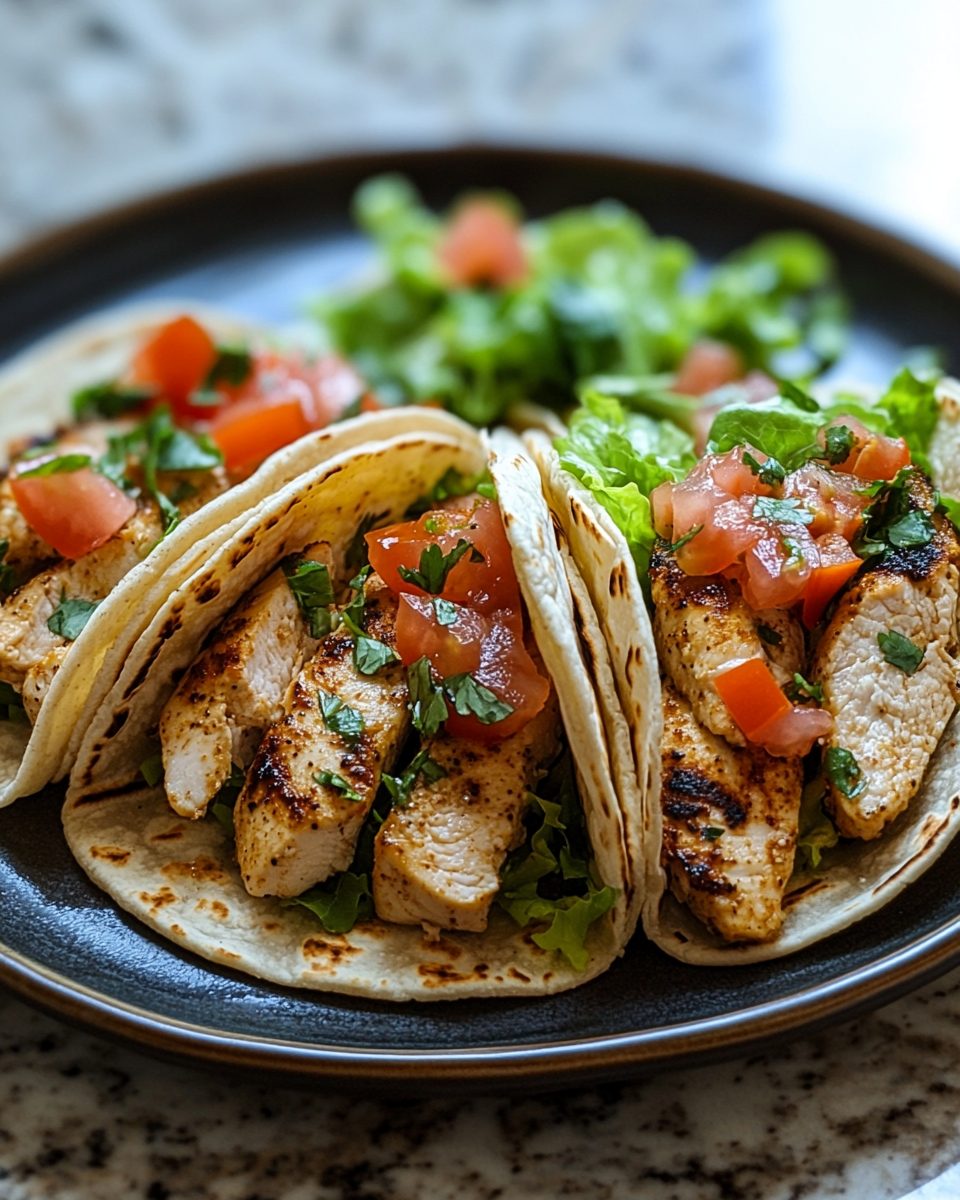
Healthy Chicken Breast Tacos Meal 7 Quick Fresh Delightful

Healthy Chicken Breast Tacos Meal 7 Quick Fresh Delightful

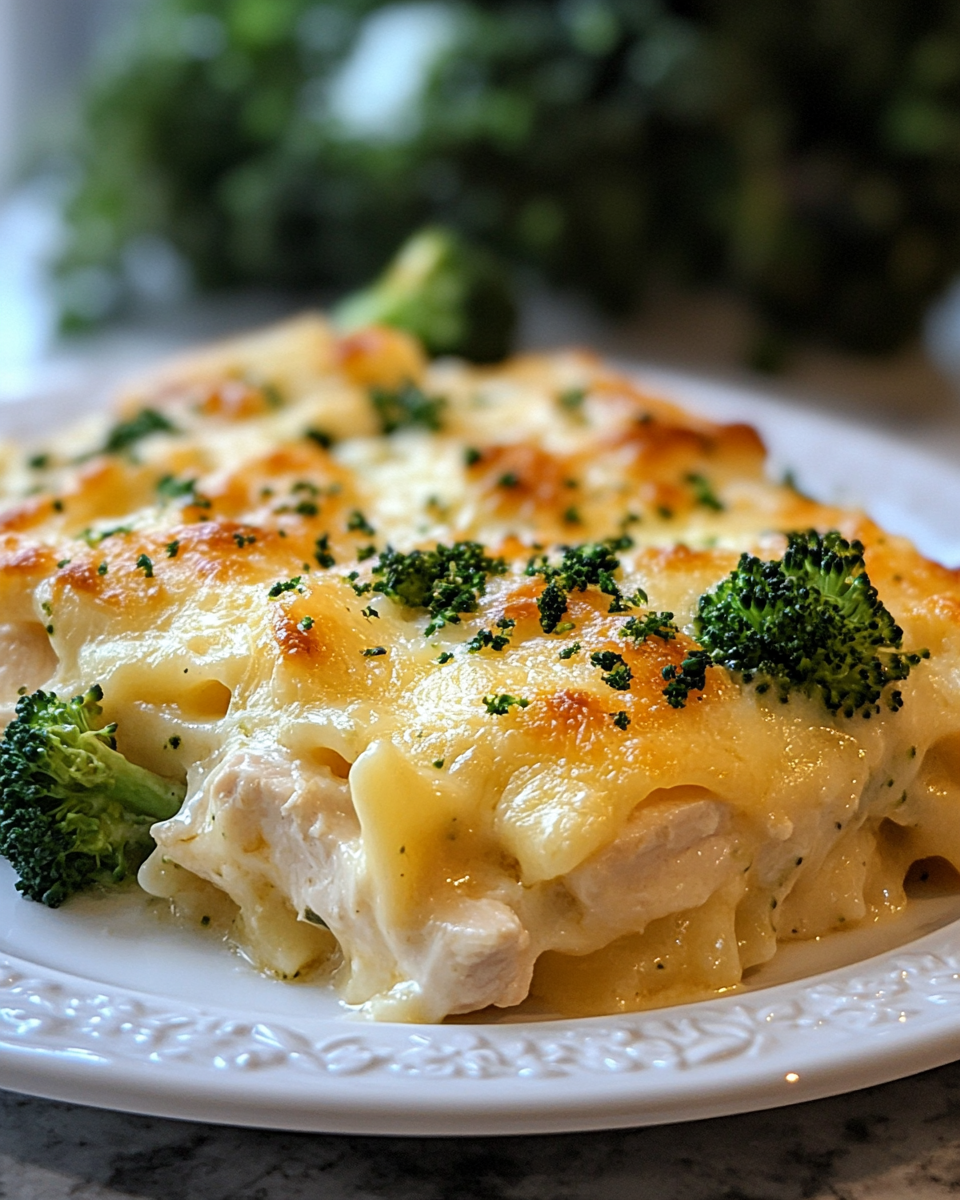
Cheesy Chicken Breast Casserole Recipe 5 Ultimate Surprising

Cheesy Chicken Breast Casserole Recipe 5 Ultimate Surprising

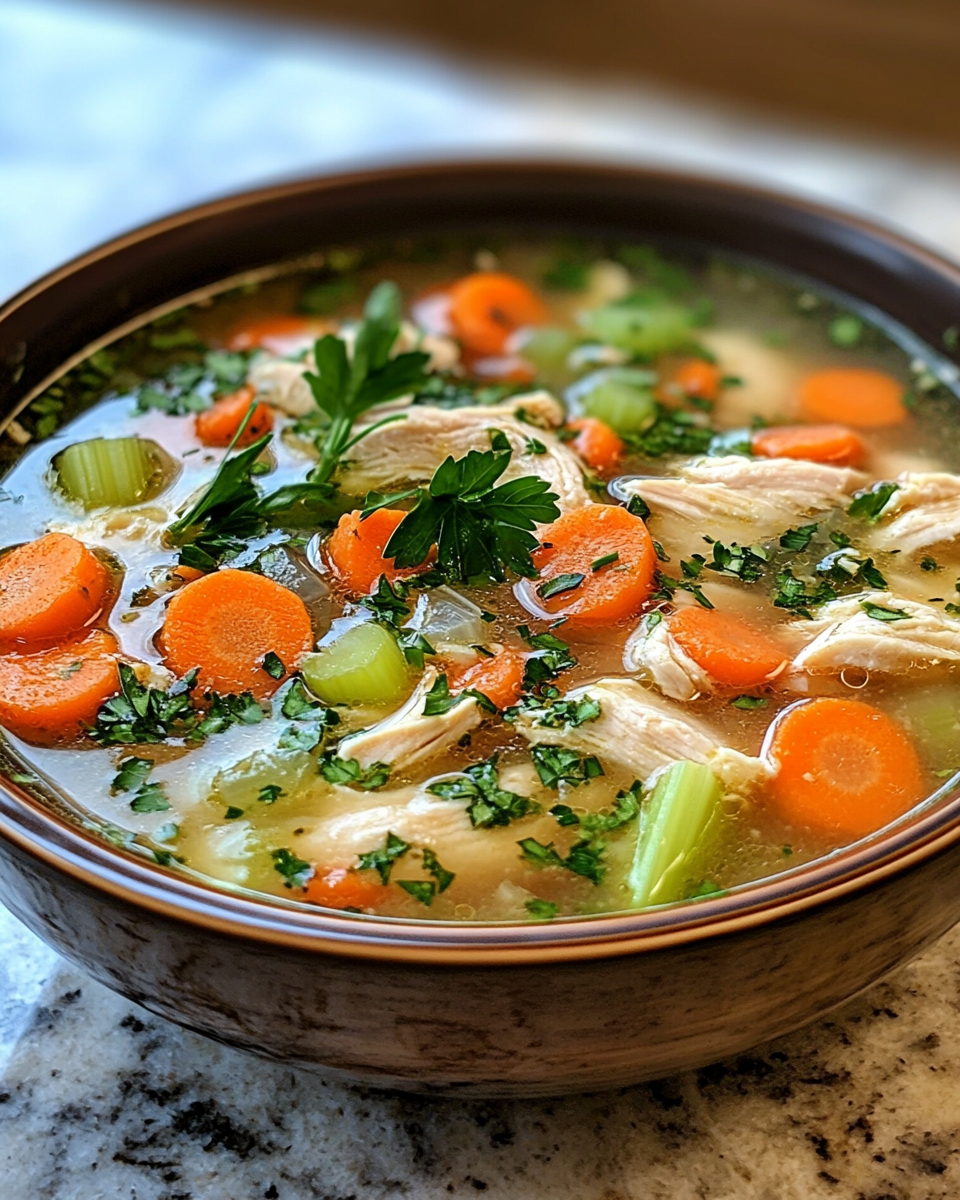
Easy Chicken Breast Soup Recipe 7 Simple Cozy Comforting Bowls

Easy Chicken Breast Soup Recipe 7 Simple Cozy Comforting Bowls

Tags:

You might also like these recipes

Leave a Comment