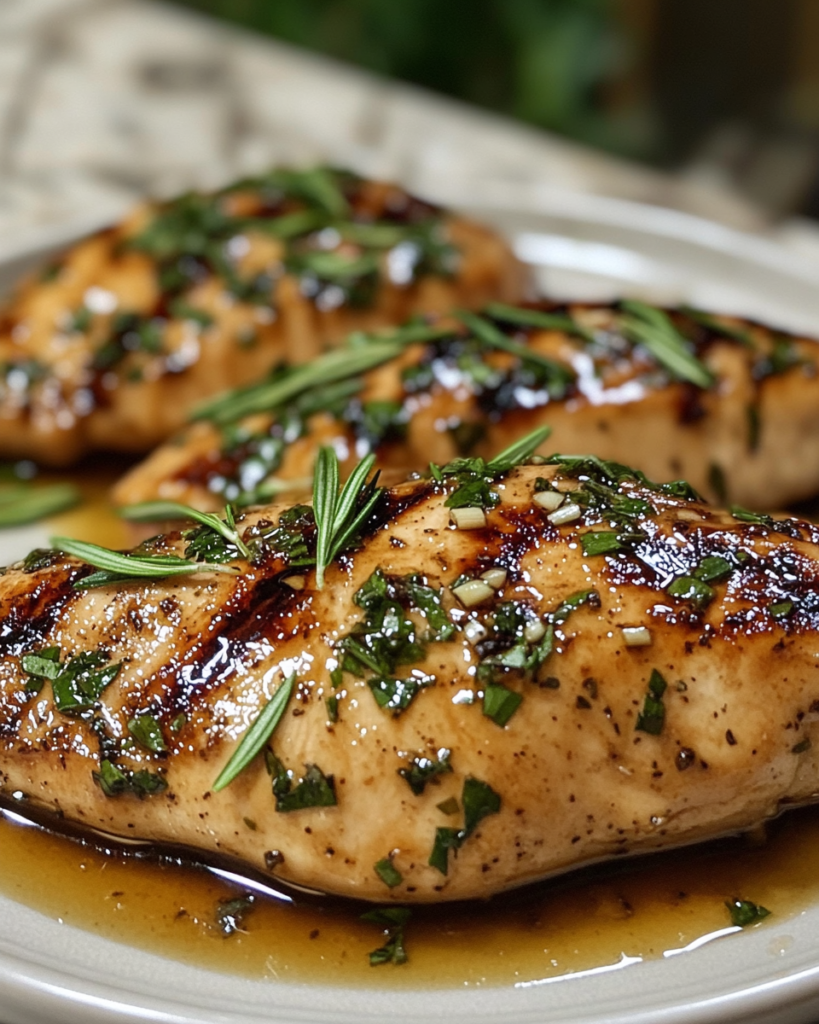
Best Chicken Breast Marinade (Juicy Every Time) 7 Simple Tip

Posted on

Uncategorized

Difficulty

Prep time

Cooking time

Total time

Servings

Chicken breast marinades can transform plain poultry into a flavorful, tender dish that works for grilling, baking, or pan-searing. This version of Best Chicken Breast Marinade (Juicy Every Time) focuses on balanced acidity, savory depth, and gentle seasoning that helps the meat stay moist while cooking.

The combination of olive oil, citrus, garlic, and herbs creates a rich coating that seeps into the chicken fibers. Each bite carries a layered flavor profile that works well for meal prep, family dinners, or quick weekday meals.

Unlike dry seasoning blends alone, a marinade adds moisture retention during heat exposure. The result is chicken breast that slices cleanly, stays soft inside, and carries seasoning throughout.

This approach works with fresh or thawed chicken breasts and fits many cooking styles without requiring complex steps or equipment.

Ingredients Overview
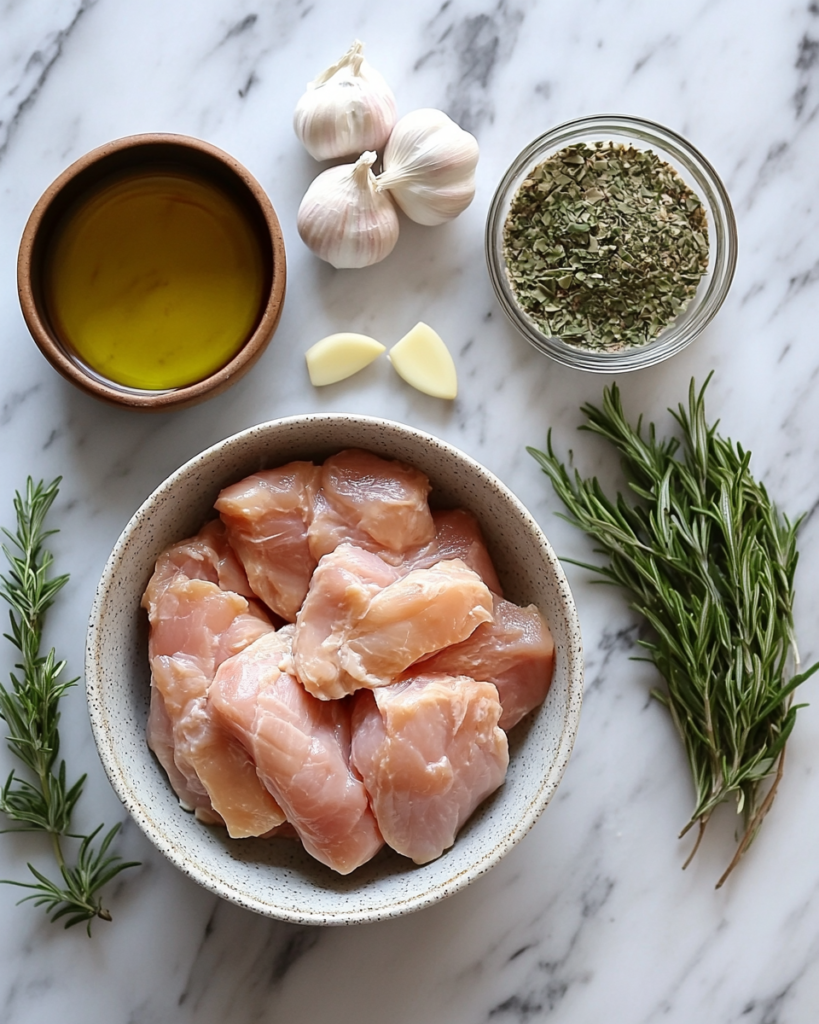
The success of this marinade depends on a few core ingredients that each play a distinct role in flavor and texture. Olive oil forms the base, helping the seasoning stick while also adding richness. It also reduces surface drying during cooking.

Acidic elements like lemon juice or apple cider vinegar gently break down muscle fibers, allowing seasoning to penetrate deeper into the meat. This helps create a more tender bite without altering the structure too aggressively.

Garlic adds sharp aromatic depth, while honey or a mild sweetener balances acidity and saltiness. This small touch of sweetness helps round out the overall flavor profile.

Soy sauce or Worcestershire sauce brings umami depth, giving the chicken a savory backbone that works especially well when grilled or roasted.

Dried herbs such as oregano, thyme, or parsley add subtle earthiness. Paprika contributes mild warmth and color without overpowering the marinade.

Salt and black pepper are essential for seasoning balance. Salt draws moisture into the meat while pepper adds a gentle heat that supports the other ingredients.

If substitutions are needed, lime juice can replace lemon juice, and maple syrup can replace honey. Coconut aminos can be used instead of soy sauce for a slightly lighter profile.

Ingredients

2 pounds boneless skinless chicken breast
1/4 cup olive oil
3 tablespoons lemon juice
2 tablespoons soy sauce
1 tablespoon honey
3 cloves garlic, minced
1 teaspoon dried oregano
1 teaspoon paprika
1/2 teaspoon dried thyme
1 teaspoon salt
1/2 teaspoon black pepper
1 teaspoon onion powder

Step-by-Step Instructions
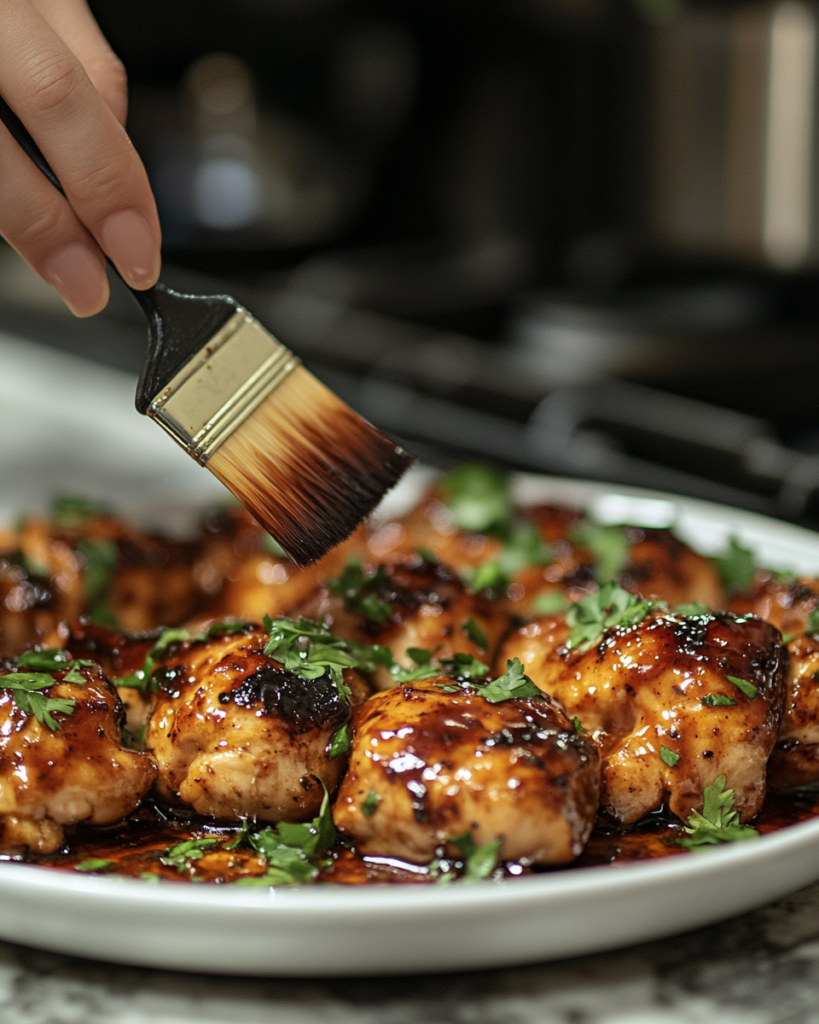
Start by preparing the chicken breasts. Pat them dry with paper towels to remove excess surface moisture. This helps the marinade adhere more effectively and supports even cooking later.

If the chicken breasts are thick, slice them horizontally or gently pound them to an even thickness. Uniform pieces cook at the same rate, reducing the risk of dry edges and undercooked centers.

In a medium bowl, combine olive oil, lemon juice, soy sauce, and honey. Whisk until the mixture begins to slightly emulsify. This creates a smooth base that coats the chicken evenly.

Add minced garlic, oregano, paprika, thyme, salt, black pepper, and onion powder. Stir until all seasonings are evenly distributed throughout the liquid.

Place chicken breasts in a large bowl or resealable bag. Pour the marinade over the chicken, making sure each piece is fully coated. Massage gently through the bag or turn pieces in the bowl.

Cover and refrigerate for at least 30 minutes. For deeper flavor, marinate for up to 12 hours. Avoid extending beyond this window, as the texture may begin to break down too much from the acid.

When ready to cook, remove chicken from the marinade and allow excess liquid to drip off. Discard leftover marinade.

Cook the chicken using a grill, skillet, or oven. For skillet cooking, heat a pan over medium-high heat and cook each side for 5–7 minutes depending on thickness. For oven baking, use 400°F and bake for 20–25 minutes until internal temperature reaches 165°F.

Allow the chicken to rest for a few minutes before slicing. This resting period helps redistribute juices throughout the meat, resulting in a more consistent texture.

Tips, Variations & Substitutions

A longer marinating time typically increases flavor depth, but balance is important. Over-marinating in acidic mixtures can change the texture too much, making it soft in an undesirable way.

For a stronger herbal profile, fresh rosemary or basil can be added. Fresh herbs should be chopped finely so they distribute evenly across the chicken surface.

If a slightly smoky flavor is desired, increase the paprika or add a small amount of smoked paprika. This works especially well for grilled preparations.

For a lighter sodium version, reduce soy sauce and salt slightly while increasing lemon juice and herbs. The flavor will remain balanced without becoming overly salty.

Chicken thighs can be used in place of chicken breast. They naturally contain more fat and remain moist even with shorter marinating times.

For meal prep, portion marinated chicken into individual bags before refrigerating. This allows quick cooking throughout the week without extra preparation time.

Serving Ideas & Occasions

This marinated chicken works well with rice bowls, roasted vegetables, or fresh salads. It can also be sliced for wraps or sandwiches, making it versatile for different meals.

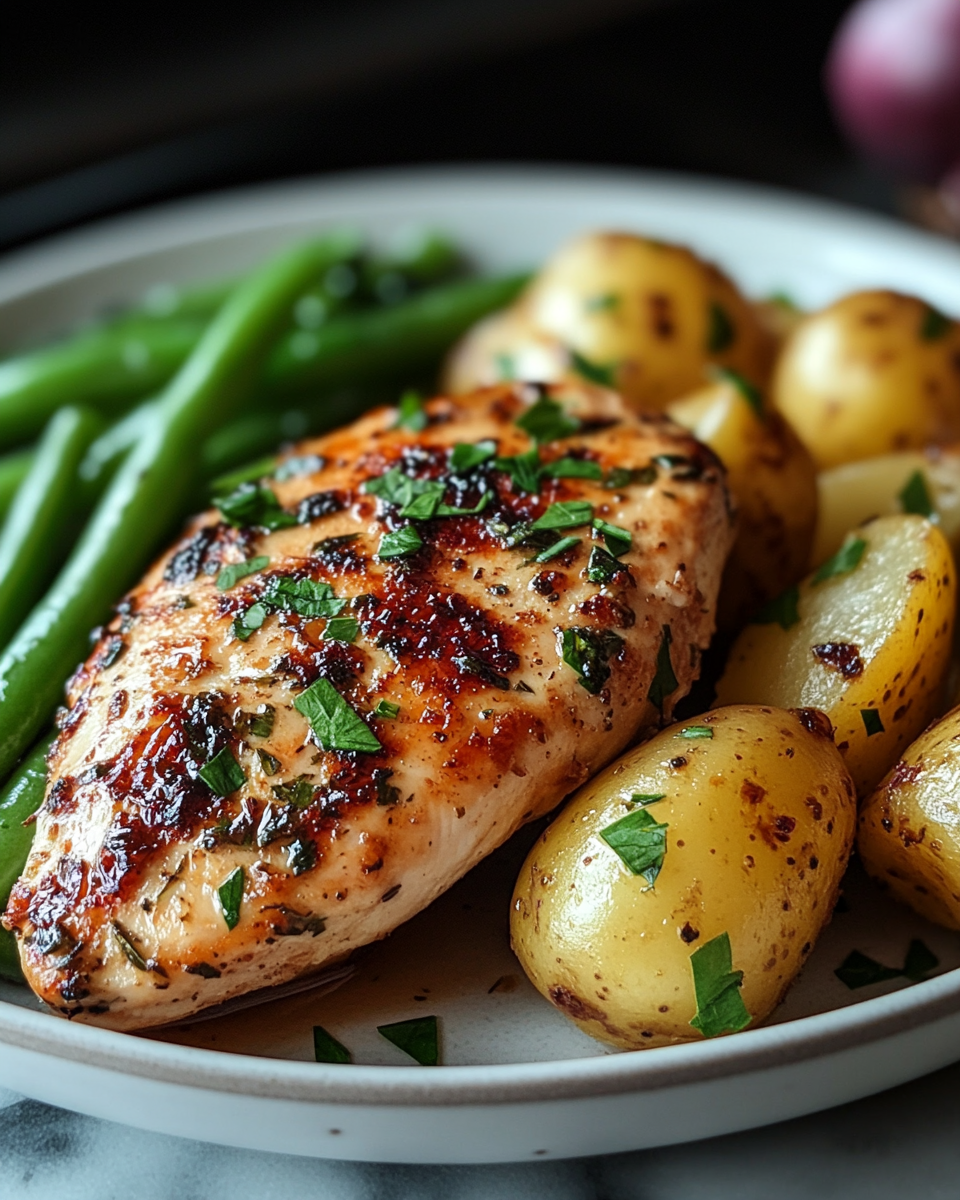
For a warm dinner plate, pair it with mashed potatoes and steamed green beans. The savory marinade complements simple side dishes without overpowering them.

It also fits well into grilled meal spreads during outdoor gatherings. When sliced, it can be served alongside corn, pasta salads, or grilled vegetables.

Cold leftovers can be used in lunch salads with leafy greens, cucumbers, and a light vinaigrette.

Nutritional & Health Notes

Chicken breast is a lean protein source that supports balanced meals without excessive fat content. It provides essential amino acids needed for muscle maintenance and general energy.

The olive oil in the marinade contributes healthy fats that support flavor absorption and cooking stability. Citrus juice adds brightness without adding significant calories.

Garlic and herbs provide natural flavor depth without reliance on heavy sauces or processed ingredients.

This dish fits well into balanced eating patterns when paired with vegetables and whole grains. Portion control helps maintain nutritional balance depending on individual dietary needs.

FAQs

How long should chicken breast marinate?

Chicken breast benefits from a marinating time between 30 minutes and 12 hours. Shorter times still provide noticeable flavor, while longer periods allow deeper seasoning absorption. However, going beyond 12 hours in an acidic marinade can alter texture, making the surface too soft. The ideal range depends on cooking method and personal preference. Grilling or pan-searing often pairs well with shorter marination, while baking allows slightly longer time for deeper flavor development.

Can frozen chicken be used for this marinade?

Frozen chicken should be fully thawed before adding marinade. This allows the liquid mixture to properly coat the surface and penetrate the meat fibers. If chicken is still partially frozen, the marinade will not distribute evenly, leading to uneven flavor. Thawing in the refrigerator is the safest method. Once thawed, pat dry before marinating to improve adhesion and cooking consistency.

What cooking method works for this marinade?

This marinade works well with grilling, baking, and stovetop cooking. Grilling adds a light char that pairs with the garlic and herb blend. Baking provides even heat distribution, making it ideal for batch cooking. Stovetop searing creates a browned exterior with a juicy interior. Each method works effectively as long as internal temperature reaches 165°F. Cooking time varies depending on thickness.

Can this marinade be made ahead of time?

The marinade mixture can be prepared in advance and stored in a sealed container in the refrigerator for up to three days. This allows quick preparation when needed. When ready to use, simply pour over chicken and proceed with marinating. Stir or whisk again before use if ingredients have separated slightly during storage.

What can replace soy sauce in this recipe?

If soy sauce is not available, coconut aminos or Worcestershire sauce can be used as alternatives. Coconut aminos provide a lighter sodium profile with mild sweetness, while Worcestershire adds deeper savory notes. Both options maintain balance in the marinade while offering slightly different flavor directions.

Why does chicken breast sometimes turn dry?

Dry chicken breast often results from overcooking or uneven thickness. Using a marinade helps reduce dryness by adding moisture and flavor to the surface. Cooking to the correct internal temperature of 165°F is essential. Resting the chicken after cooking also helps juices redistribute, keeping the texture more consistent.

Can this marinade be used for other proteins?

Yes, this marinade works with turkey breast, pork chops, and even firm tofu. Each protein absorbs flavors differently, so marinating times may vary. Chicken remains the most responsive due to its mild structure and lean composition, but other proteins can still benefit from the same seasoning base.

[rank_math_breadcrumb]

Best Chicken Breast Marinade (Juicy Every Time) 7 Simple Tip

Photo of author
Author: Elizabeth
Published:

Chicken breast marinades can transform plain poultry into a flavorful, tender dish that works for grilling, baking, or pan-searing. This version of Best Chicken Breast Marinade (Juicy Every Time) focuses on balanced acidity, savory depth, and gentle seasoning that helps the meat stay moist while cooking.

The combination of olive oil, citrus, garlic, and herbs creates a rich coating that seeps into the chicken fibers. Each bite carries a layered flavor profile that works well for meal prep, family dinners, or quick weekday meals.

Unlike dry seasoning blends alone, a marinade adds moisture retention during heat exposure. The result is chicken breast that slices cleanly, stays soft inside, and carries seasoning throughout.

This approach works with fresh or thawed chicken breasts and fits many cooking styles without requiring complex steps or equipment.

Ingredients Overview

The success of this marinade depends on a few core ingredients that each play a distinct role in flavor and texture. Olive oil forms the base, helping the seasoning stick while also adding richness. It also reduces surface drying during cooking.

Acidic elements like lemon juice or apple cider vinegar gently break down muscle fibers, allowing seasoning to penetrate deeper into the meat. This helps create a more tender bite without altering the structure too aggressively.

Garlic adds sharp aromatic depth, while honey or a mild sweetener balances acidity and saltiness. This small touch of sweetness helps round out the overall flavor profile.

Soy sauce or Worcestershire sauce brings umami depth, giving the chicken a savory backbone that works especially well when grilled or roasted.

Dried herbs such as oregano, thyme, or parsley add subtle earthiness. Paprika contributes mild warmth and color without overpowering the marinade.

Salt and black pepper are essential for seasoning balance. Salt draws moisture into the meat while pepper adds a gentle heat that supports the other ingredients.

If substitutions are needed, lime juice can replace lemon juice, and maple syrup can replace honey. Coconut aminos can be used instead of soy sauce for a slightly lighter profile.

Ingredients

2 pounds boneless skinless chicken breast
1/4 cup olive oil
3 tablespoons lemon juice
2 tablespoons soy sauce
1 tablespoon honey
3 cloves garlic, minced
1 teaspoon dried oregano
1 teaspoon paprika
1/2 teaspoon dried thyme
1 teaspoon salt
1/2 teaspoon black pepper
1 teaspoon onion powder

Step-by-Step Instructions

Start by preparing the chicken breasts. Pat them dry with paper towels to remove excess surface moisture. This helps the marinade adhere more effectively and supports even cooking later.

If the chicken breasts are thick, slice them horizontally or gently pound them to an even thickness. Uniform pieces cook at the same rate, reducing the risk of dry edges and undercooked centers.

In a medium bowl, combine olive oil, lemon juice, soy sauce, and honey. Whisk until the mixture begins to slightly emulsify. This creates a smooth base that coats the chicken evenly.

Add minced garlic, oregano, paprika, thyme, salt, black pepper, and onion powder. Stir until all seasonings are evenly distributed throughout the liquid.

Place chicken breasts in a large bowl or resealable bag. Pour the marinade over the chicken, making sure each piece is fully coated. Massage gently through the bag or turn pieces in the bowl.

Cover and refrigerate for at least 30 minutes. For deeper flavor, marinate for up to 12 hours. Avoid extending beyond this window, as the texture may begin to break down too much from the acid.

When ready to cook, remove chicken from the marinade and allow excess liquid to drip off. Discard leftover marinade.

Cook the chicken using a grill, skillet, or oven. For skillet cooking, heat a pan over medium-high heat and cook each side for 5–7 minutes depending on thickness. For oven baking, use 400°F and bake for 20–25 minutes until internal temperature reaches 165°F.

Allow the chicken to rest for a few minutes before slicing. This resting period helps redistribute juices throughout the meat, resulting in a more consistent texture.

Tips, Variations & Substitutions

A longer marinating time typically increases flavor depth, but balance is important. Over-marinating in acidic mixtures can change the texture too much, making it soft in an undesirable way.

For a stronger herbal profile, fresh rosemary or basil can be added. Fresh herbs should be chopped finely so they distribute evenly across the chicken surface.

If a slightly smoky flavor is desired, increase the paprika or add a small amount of smoked paprika. This works especially well for grilled preparations.

For a lighter sodium version, reduce soy sauce and salt slightly while increasing lemon juice and herbs. The flavor will remain balanced without becoming overly salty.

Chicken thighs can be used in place of chicken breast. They naturally contain more fat and remain moist even with shorter marinating times.

For meal prep, portion marinated chicken into individual bags before refrigerating. This allows quick cooking throughout the week without extra preparation time.

Serving Ideas & Occasions

This marinated chicken works well with rice bowls, roasted vegetables, or fresh salads. It can also be sliced for wraps or sandwiches, making it versatile for different meals.

For a warm dinner plate, pair it with mashed potatoes and steamed green beans. The savory marinade complements simple side dishes without overpowering them.

It also fits well into grilled meal spreads during outdoor gatherings. When sliced, it can be served alongside corn, pasta salads, or grilled vegetables.

Cold leftovers can be used in lunch salads with leafy greens, cucumbers, and a light vinaigrette.

Nutritional & Health Notes

Chicken breast is a lean protein source that supports balanced meals without excessive fat content. It provides essential amino acids needed for muscle maintenance and general energy.

The olive oil in the marinade contributes healthy fats that support flavor absorption and cooking stability. Citrus juice adds brightness without adding significant calories.

Garlic and herbs provide natural flavor depth without reliance on heavy sauces or processed ingredients.

This dish fits well into balanced eating patterns when paired with vegetables and whole grains. Portion control helps maintain nutritional balance depending on individual dietary needs.

FAQs

How long should chicken breast marinate?

Chicken breast benefits from a marinating time between 30 minutes and 12 hours. Shorter times still provide noticeable flavor, while longer periods allow deeper seasoning absorption. However, going beyond 12 hours in an acidic marinade can alter texture, making the surface too soft. The ideal range depends on cooking method and personal preference. Grilling or pan-searing often pairs well with shorter marination, while baking allows slightly longer time for deeper flavor development.

Can frozen chicken be used for this marinade?

Frozen chicken should be fully thawed before adding marinade. This allows the liquid mixture to properly coat the surface and penetrate the meat fibers. If chicken is still partially frozen, the marinade will not distribute evenly, leading to uneven flavor. Thawing in the refrigerator is the safest method. Once thawed, pat dry before marinating to improve adhesion and cooking consistency.

What cooking method works for this marinade?

This marinade works well with grilling, baking, and stovetop cooking. Grilling adds a light char that pairs with the garlic and herb blend. Baking provides even heat distribution, making it ideal for batch cooking. Stovetop searing creates a browned exterior with a juicy interior. Each method works effectively as long as internal temperature reaches 165°F. Cooking time varies depending on thickness.

Can this marinade be made ahead of time?

The marinade mixture can be prepared in advance and stored in a sealed container in the refrigerator for up to three days. This allows quick preparation when needed. When ready to use, simply pour over chicken and proceed with marinating. Stir or whisk again before use if ingredients have separated slightly during storage.

What can replace soy sauce in this recipe?

If soy sauce is not available, coconut aminos or Worcestershire sauce can be used as alternatives. Coconut aminos provide a lighter sodium profile with mild sweetness, while Worcestershire adds deeper savory notes. Both options maintain balance in the marinade while offering slightly different flavor directions.

Why does chicken breast sometimes turn dry?

Dry chicken breast often results from overcooking or uneven thickness. Using a marinade helps reduce dryness by adding moisture and flavor to the surface. Cooking to the correct internal temperature of 165°F is essential. Resting the chicken after cooking also helps juices redistribute, keeping the texture more consistent.

Can this marinade be used for other proteins?

Yes, this marinade works with turkey breast, pork chops, and even firm tofu. Each protein absorbs flavors differently, so marinating times may vary. Chicken remains the most responsive due to its mild structure and lean composition, but other proteins can still benefit from the same seasoning base.
Name

Lorem ipsum dolor sit amet, consectetur adipiscing elit. Suspendisse varius enim in eros elementum tristique. Duis cursus, mi quis viverra ornare, eros dolor interdum nulla, ut commodo diam libero vitae erat.

You Might Also Like...

Simple Chicken Breast Dinner Recipes 5 Easy Delicious Meals

Simple Chicken Breast Dinner Recipes 5 Easy Delicious Meals

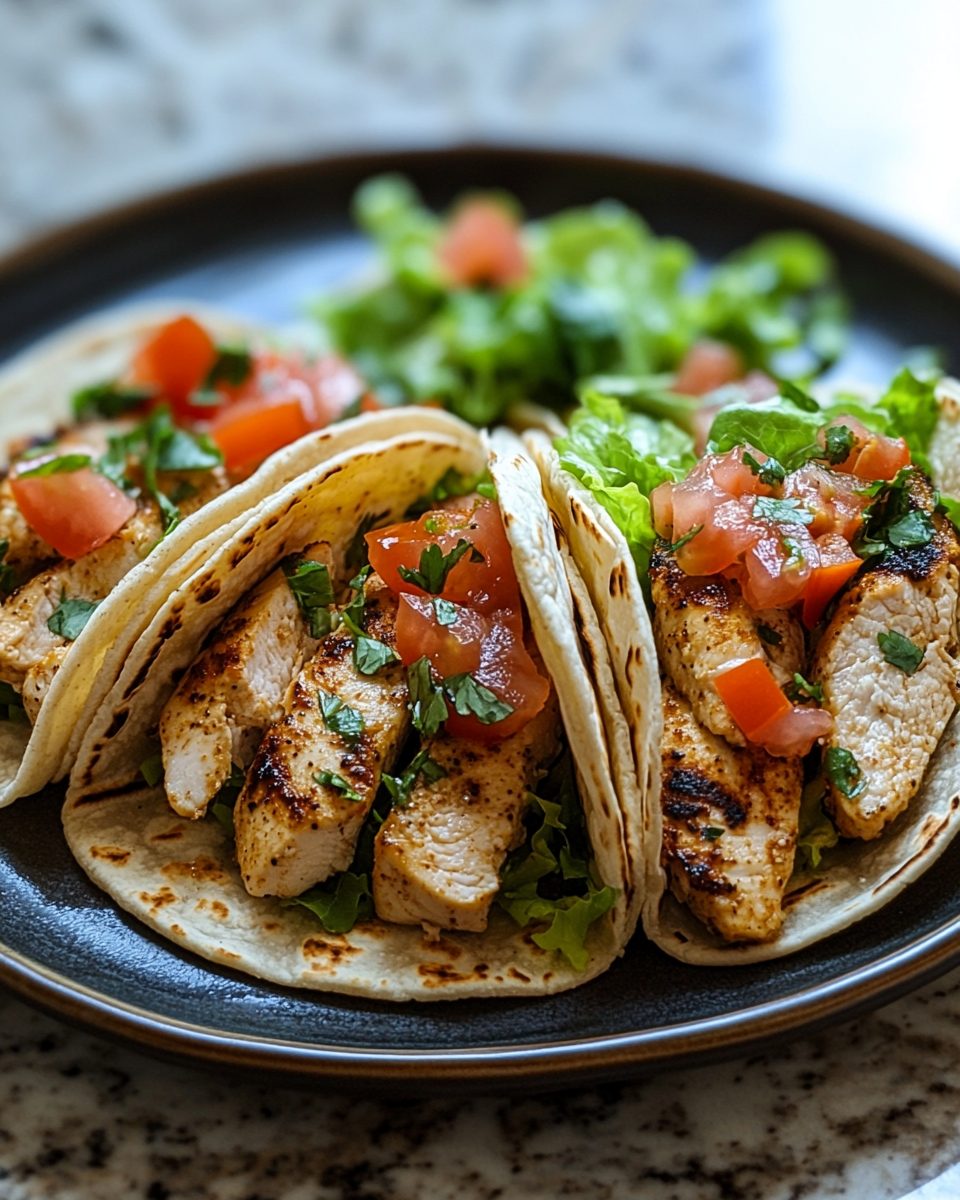
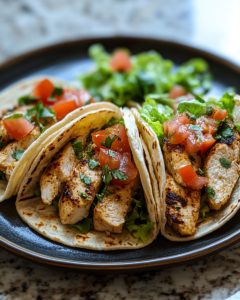
Healthy Chicken Breast Tacos Meal 7 Quick Fresh Delightful

Healthy Chicken Breast Tacos Meal 7 Quick Fresh Delightful

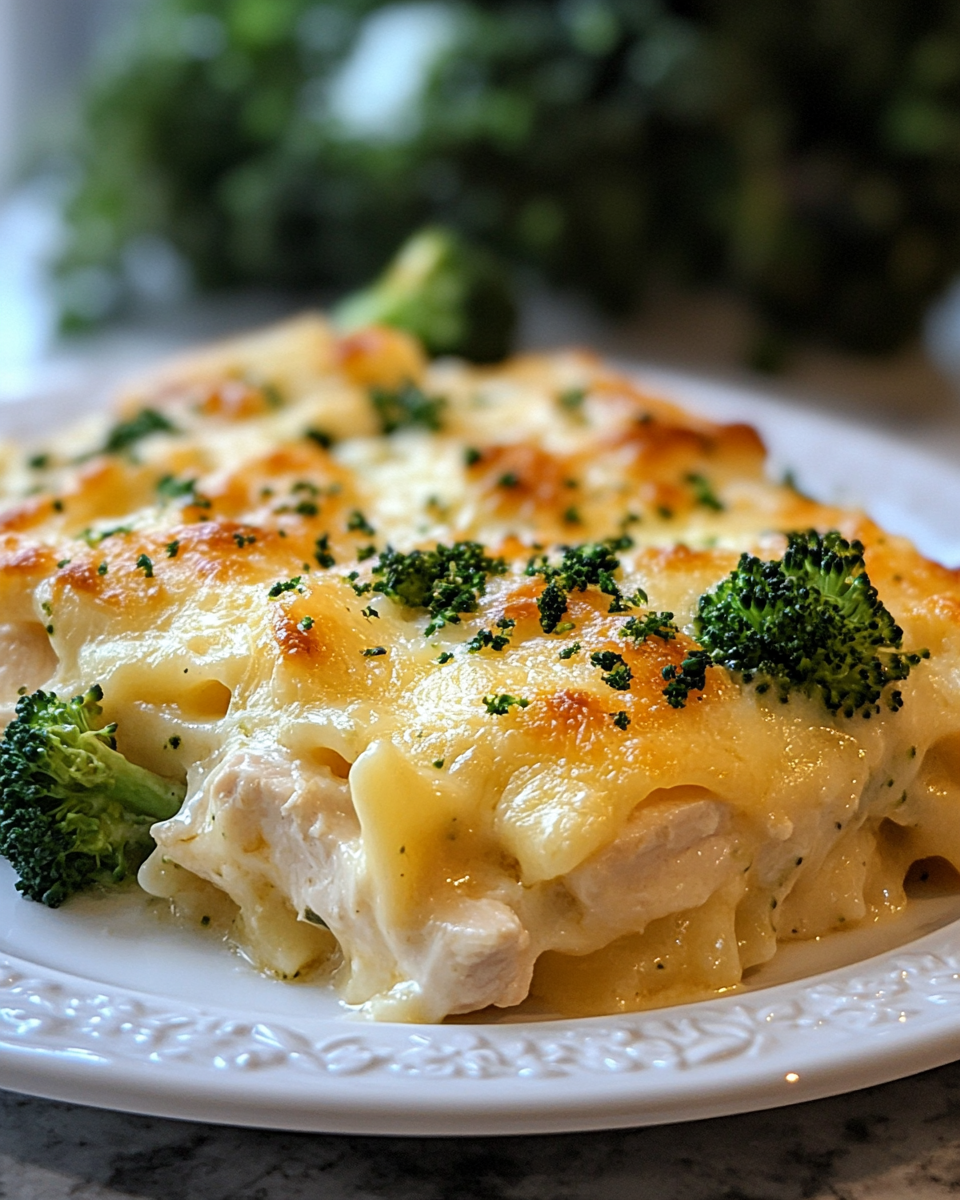
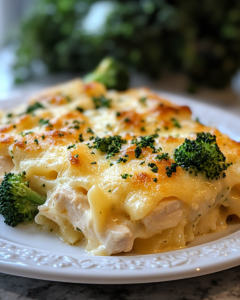
Cheesy Chicken Breast Casserole Recipe 5 Ultimate Surprising

Cheesy Chicken Breast Casserole Recipe 5 Ultimate Surprising

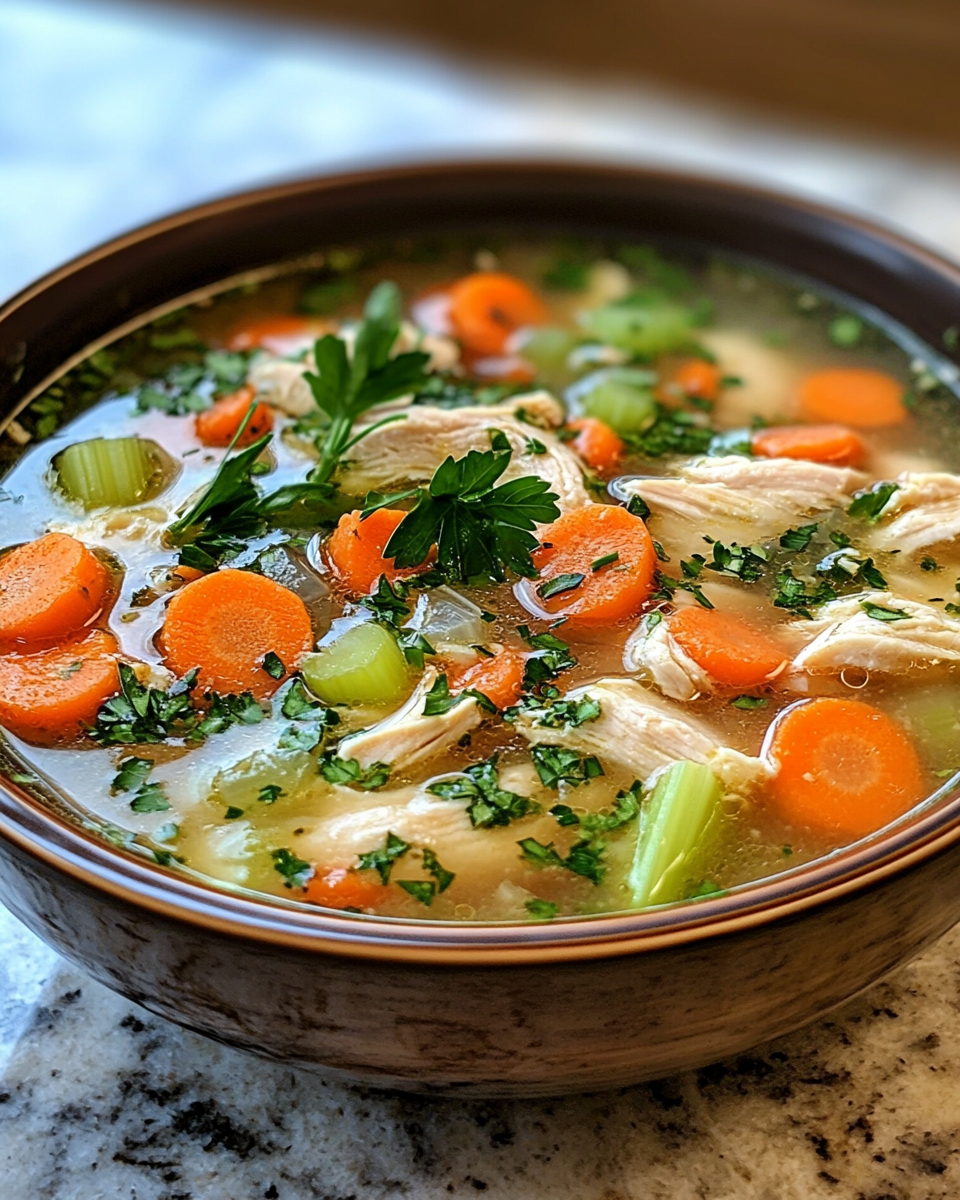
Easy Chicken Breast Soup Recipe 7 Simple Cozy Comforting Bowls

Easy Chicken Breast Soup Recipe 7 Simple Cozy Comforting Bowls

Tags:

You might also like these recipes

Leave a Comment