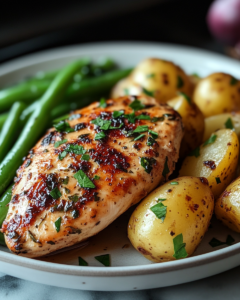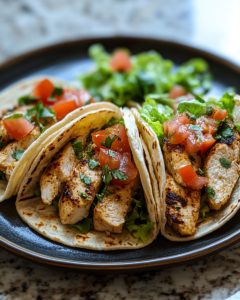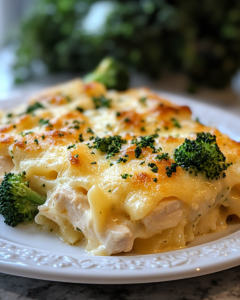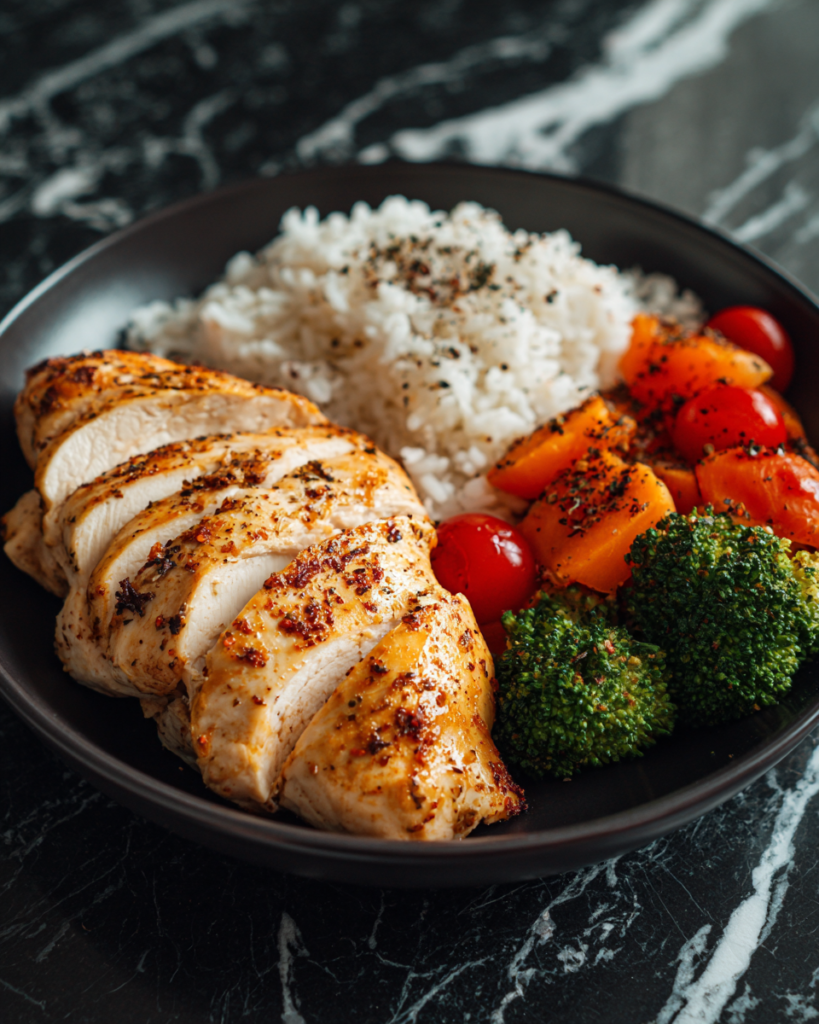
Simple Chicken Breast Meal Prep for the Week 5 Quick Fresh is a practical way to keep weekday meals steady, balanced, and ready without daily cooking stress. Tender chicken breast is seasoned, cooked, and portioned with grains and vegetables so everything is set for grab-and-go lunches or dinners.
Each container holds a balanced mix of protein, fiber, and slow-digesting carbs. The chicken stays juicy when cooked correctly and pairs well with different vegetables and sauces throughout the week. This approach is especially helpful for busy schedules, reducing time spent cooking while still keeping meals satisfying and varied.
Meal prep like this works well because the base ingredients are flexible. You can shift flavors with small seasoning changes or switch vegetables depending on what is available. The structure stays the same, but the taste never feels repetitive.
Ingredients Overview
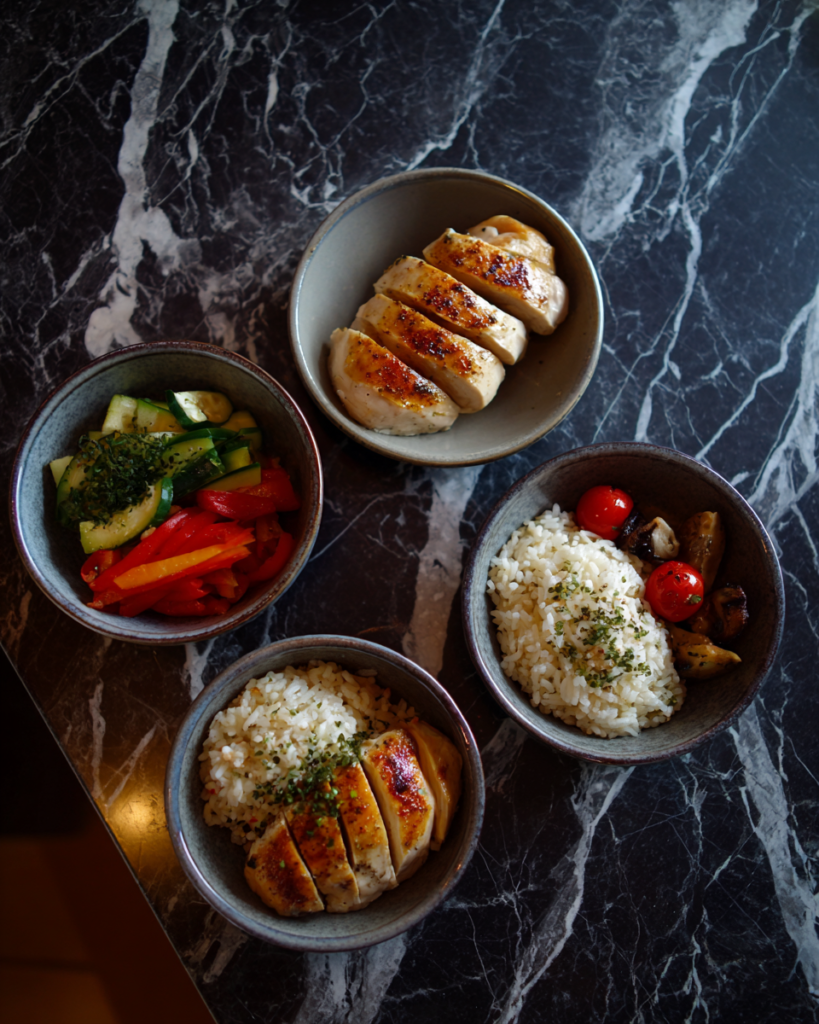
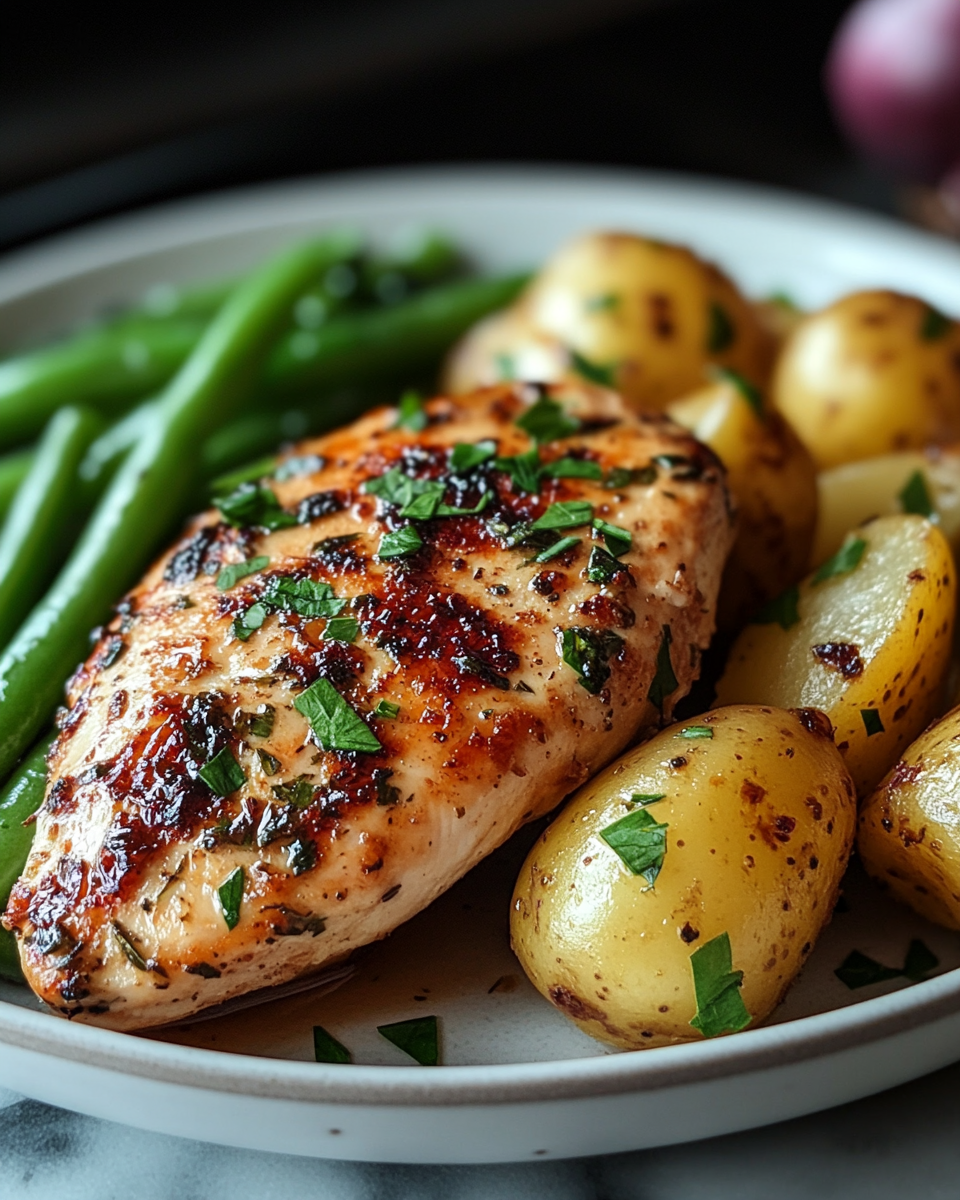
Chicken breast is the main protein source in this meal prep. It is lean, mild in flavor, and absorbs seasoning well. When cooked properly, it stays tender and pairs easily with grains like rice or quinoa. Slicing it evenly before cooking helps it cook at the same rate, preventing dry edges.
Olive oil helps lock in moisture and supports even browning in the pan or oven. Garlic powder and paprika add depth without overpowering the chicken. Salt and black pepper are essential for balance, bringing out natural flavor.
For the base, rice or quinoa both work well. Rice offers a softer texture, while quinoa brings a slightly nutty bite and more fiber. Both absorb juices and seasoning from the chicken and vegetables.
Vegetables like broccoli, carrots, and bell peppers add color, crunch, and nutrients. They also hold up well during refrigeration, making them ideal for multiple days of storage. A squeeze of lemon or a light vinaigrette at serving time can brighten the entire dish.
This combination creates a meal prep setup that stays fresh in taste and texture throughout the week without feeling heavy or repetitive.
Ingredients
1.5 pounds boneless skinless chicken breast
2 tablespoons olive oil
1 teaspoon garlic powder
1 teaspoon paprika
1/2 teaspoon salt
1/2 teaspoon black pepper
2 cups cooked rice or quinoa
2 cups broccoli florets
1 cup sliced carrots
1 cup sliced bell peppers
1 tablespoon lemon juice
1 teaspoon dried oregano
Optional: 2 tablespoons soy sauce or light dressing
Step-by-Step Instructions
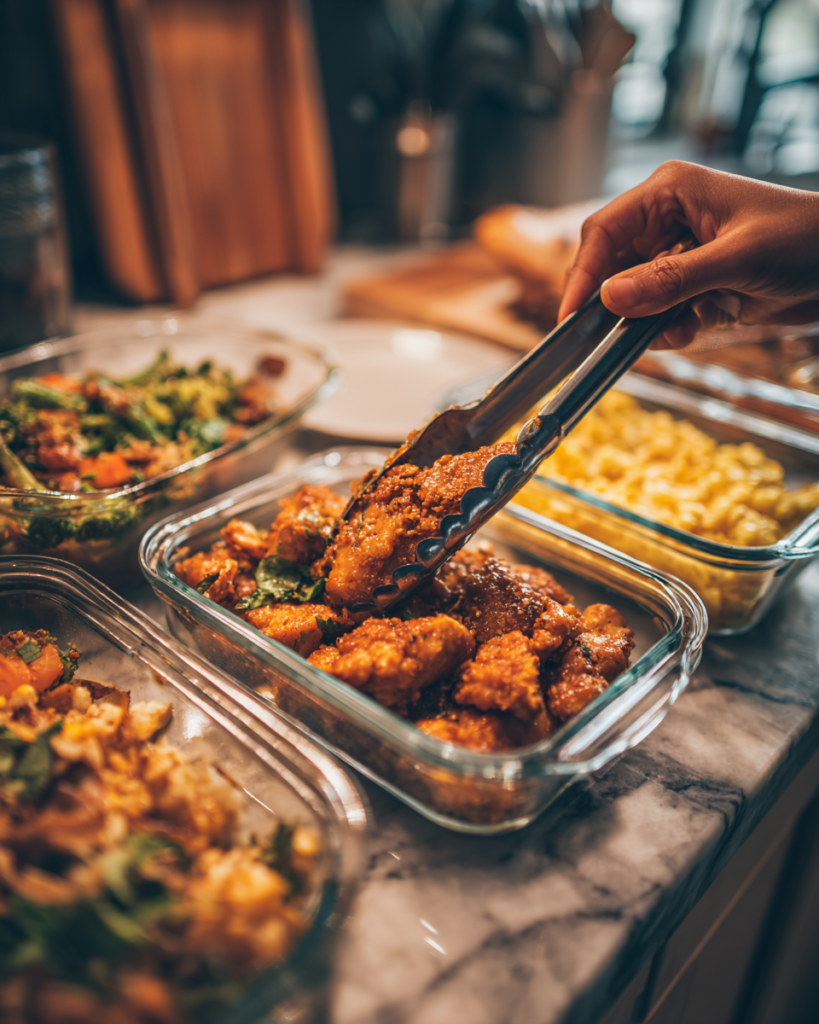
Start by preparing the chicken breast. Pat it dry with paper towels so the seasoning sticks better and the surface cooks evenly. Slice thicker pieces in half lengthwise to create uniform thickness. This helps prevent dry edges while keeping the inside juicy.
Place the chicken in a bowl and coat it with olive oil, garlic powder, paprika, salt, black pepper, and oregano. Mix well so every piece is evenly covered. Let it rest for about 10–15 minutes while you prepare the vegetables and grains.
Cook the chicken using a large skillet over medium heat or bake it in the oven at 400°F (200°C). If using a skillet, cook each side for about 5–7 minutes until golden brown and fully cooked through. If baking, place the chicken on a lined tray and cook for about 20–25 minutes, flipping halfway for even browning. The internal temperature should reach 165°F (74°C).
While the chicken cooks, prepare the vegetables. Steam or roast broccoli, carrots, and bell peppers until tender but still slightly crisp. Overcooking can make them soft and watery, which affects texture during storage.
Prepare rice or quinoa according to package instructions. Fluff with a fork once done to keep it light and separated.
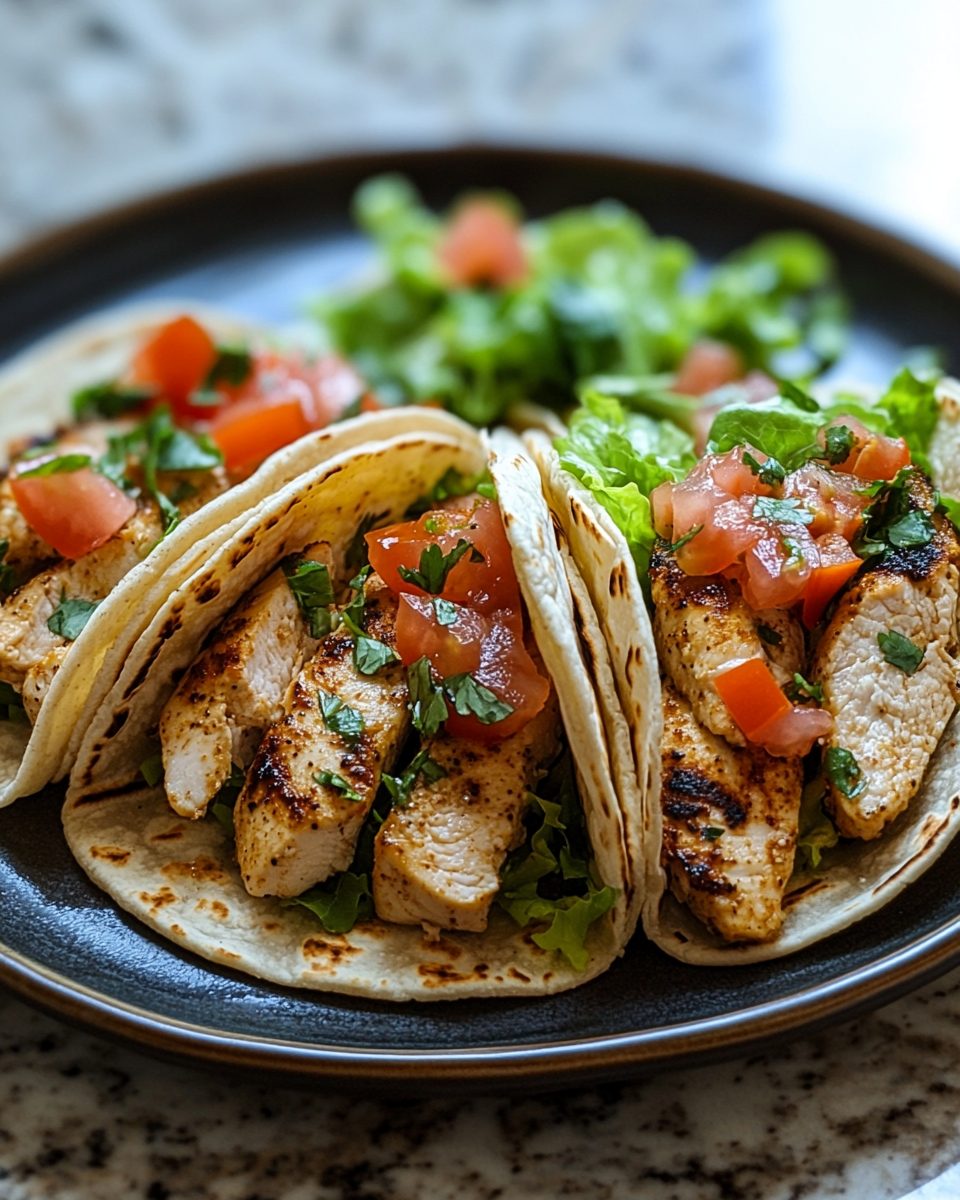
Once everything is cooked, let the chicken rest for a few minutes before slicing. This helps retain juices. Slice into strips or cubes depending on your preference.
Assemble meal prep containers by dividing rice or quinoa first, then adding vegetables and chicken on top. Drizzle with lemon juice or a light dressing before sealing containers.
Store in the refrigerator and portion out as needed throughout the week.
Tips, Variations & Substitutions
For extra flavor, marinate the chicken overnight with olive oil, garlic, paprika, and a splash of lemon juice. This deepens seasoning without adding complexity during cooking.
You can switch rice for brown rice, couscous, or cauliflower rice depending on dietary preferences. Each option changes the texture slightly but still works well with the chicken base.
Vegetables can be swapped based on season or availability. Zucchini, green beans, or roasted sweet potatoes are good alternatives that hold up well after refrigeration.
If you prefer a stronger flavor profile, add a light sauce such as teriyaki, garlic yogurt dressing, or a simple soy-lime mix when serving rather than during storage. This keeps the meal fresh and prevents sogginess.
Cooking in bulk and using sheet pans can save time. Roasting chicken and vegetables together on separate sections of the same tray also reduces cleanup.
Serving Ideas & Occasions
This meal prep works well for weekday lunches, quick dinners, or post-workout meals. It is also useful for structured eating during busy schedules when cooking time is limited.
You can serve it warm or cold, depending on preference. Warm versions pair well with a drizzle of sauce, while cold versions work well as a salad-style bowl.
For variety, serve the chicken over greens instead of rice for a lighter option. Adding avocado or a boiled egg can also increase richness and satiety.
Beverage pairings like infused water, iced tea, or sparkling water complement the clean flavors without overpowering the dish.
Nutritional & Health Notes
Chicken breast provides a strong source of lean protein, which supports muscle maintenance and helps keep meals filling. Pairing it with grains adds carbohydrates for steady energy throughout the day.
Vegetables contribute fiber, vitamins, and minerals while keeping calorie content moderate. The combination supports balanced eating without feeling overly heavy.
Using olive oil adds healthy fats in controlled amounts, helping with flavor and satiety. Choosing whole grains like brown rice or quinoa can increase fiber intake.
Portion control is easier with meal prep containers, which helps maintain consistency in daily intake without needing to calculate every meal separately.
FAQs
How long does chicken meal prep last in the fridge?
Properly stored chicken meal prep can last about 3 to 4 days in the refrigerator. It is important to use airtight containers to maintain freshness and prevent moisture loss. Allow the chicken to cool before sealing to avoid condensation inside the container, which can affect texture. If you plan to store it longer, freezing portions is a better option. Reheat only what you plan to eat to maintain quality and flavor throughout the week.
Can I freeze chicken meal prep bowls?
Yes, chicken meal prep bowls freeze well when stored correctly. Place cooled portions in freezer-safe containers and leave a small space for expansion. For best texture, avoid freezing raw vegetables like lettuce or cucumbers, as they become watery when thawed. Frozen meals can last up to 2 months. Thaw overnight in the refrigerator before reheating. Reheat gently to avoid drying out the chicken and to preserve texture.
What is the best way to reheat meal prep chicken?
The best way to reheat chicken meal prep is using a microwave or stovetop. For microwaving, cover the container loosely and heat in short intervals to prevent drying. Adding a small splash of water or broth helps maintain moisture. On the stovetop, warm the chicken in a covered pan over low heat with a little oil or liquid. This method keeps the texture more tender and prevents overcooking.
Can I use chicken thighs instead of chicken breast?
Chicken thighs work very well as a substitute for chicken breast. They contain slightly more fat, which results in a juicier texture and richer flavor. Cooking time may be slightly longer depending on thickness. Thighs also stay tender even after reheating, making them a strong option for meal prep. Seasoning remains the same, so you can use the same spice blend without adjustment.
How do I keep chicken from drying out?
To prevent chicken from drying out, avoid overcooking and make sure pieces are evenly sized before cooking. Using a bit of olive oil helps retain moisture during cooking. Letting the chicken rest for a few minutes after cooking allows juices to redistribute. Storing it properly in airtight containers also helps maintain texture. Reheating gently rather than using high heat preserves moisture.
Can I change the seasoning each week?
Yes, changing seasoning each week is a great way to keep meal prep interesting. You can switch between garlic herb, paprika-based blends, lemon pepper, or soy-ginger styles. The cooking method stays the same, but flavor changes prevent repetition. Keeping a simple base recipe allows flexibility while still maintaining structure for weekly preparation.
What vegetables work best for meal prep bowls?
Vegetables that hold their texture after refrigeration work best. Broccoli, carrots, bell peppers, green beans, and roasted zucchini are all strong choices. These vegetables maintain structure and flavor over several days. Avoid watery vegetables like cucumber or lettuce in cooked meal prep, as they tend to lose texture quickly. Roasting or steaming helps improve storage quality.