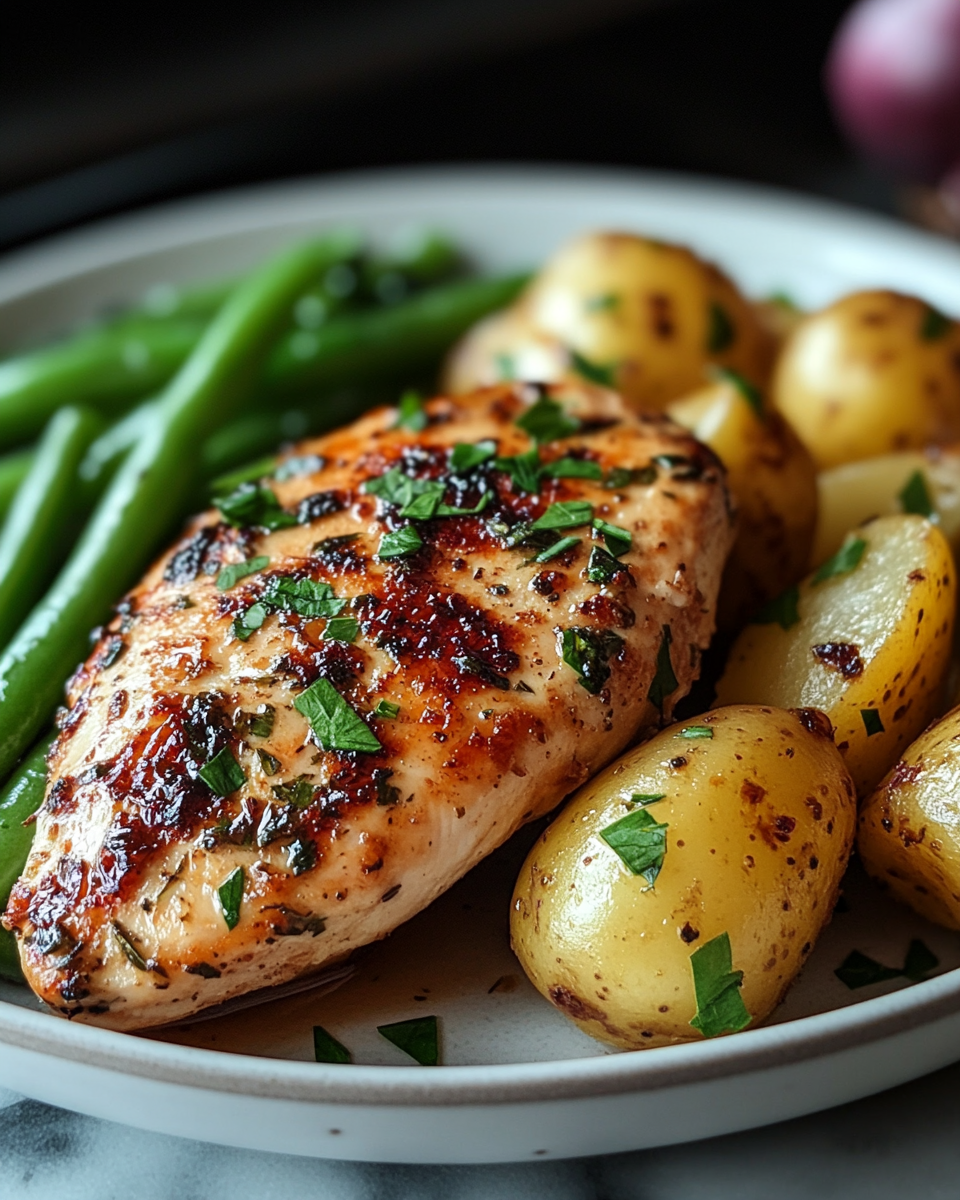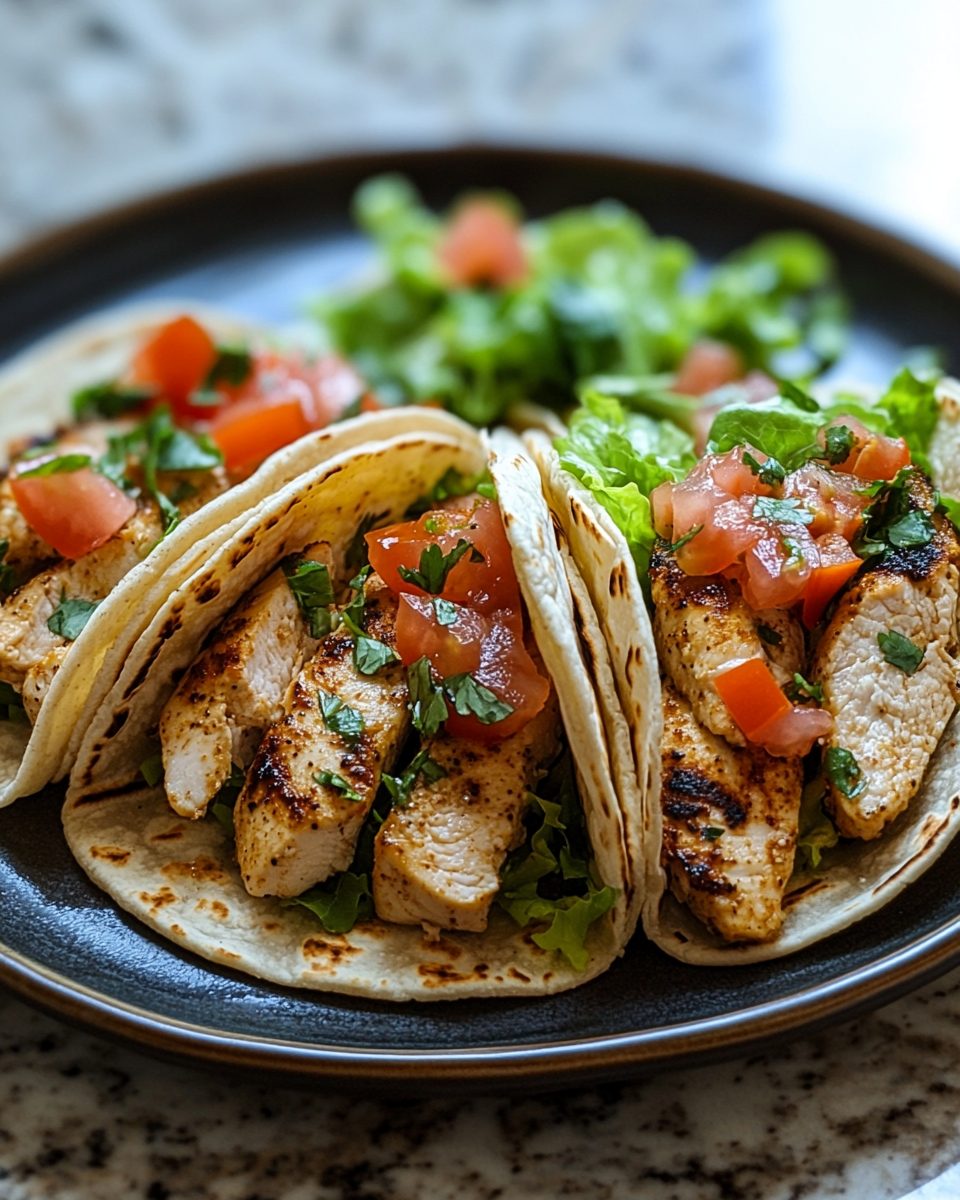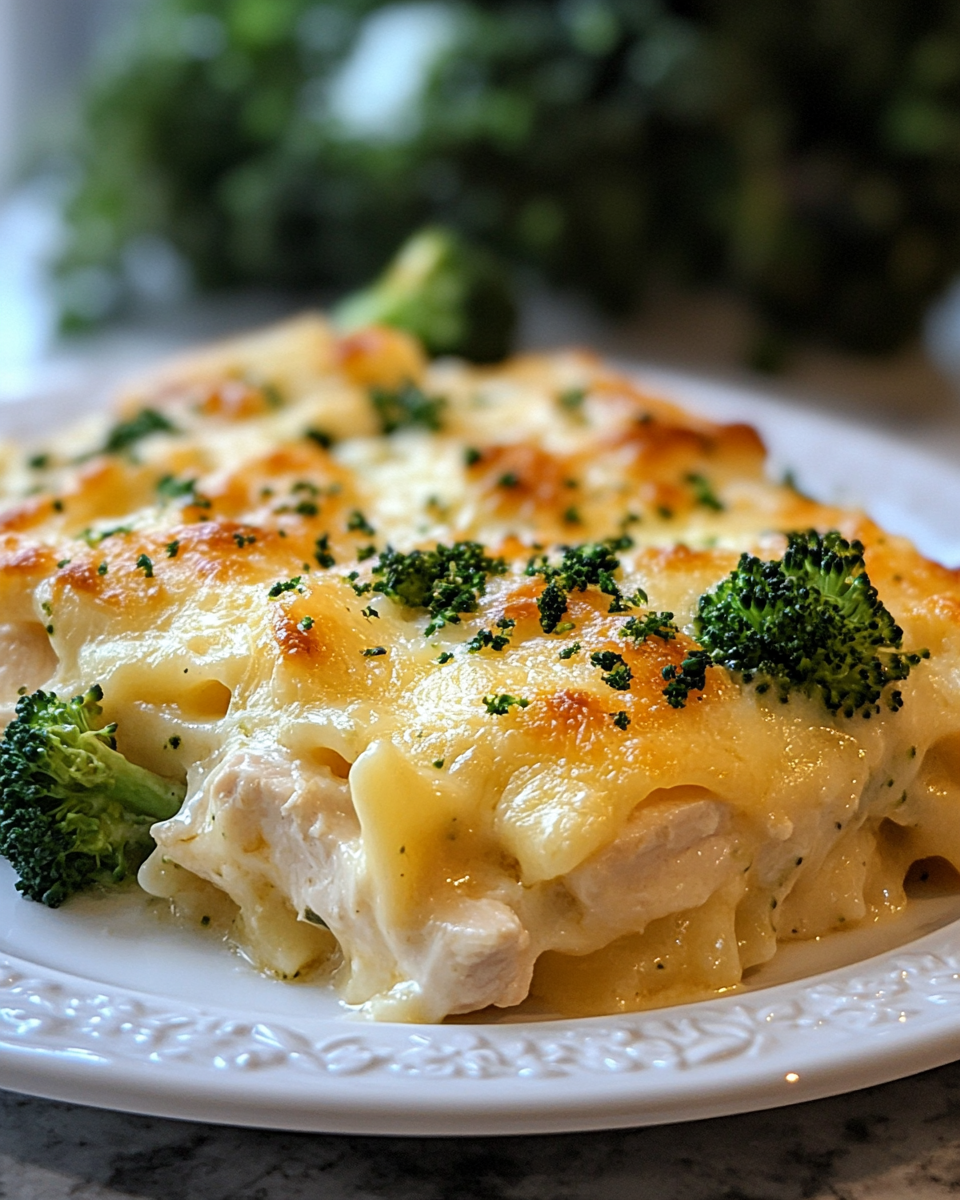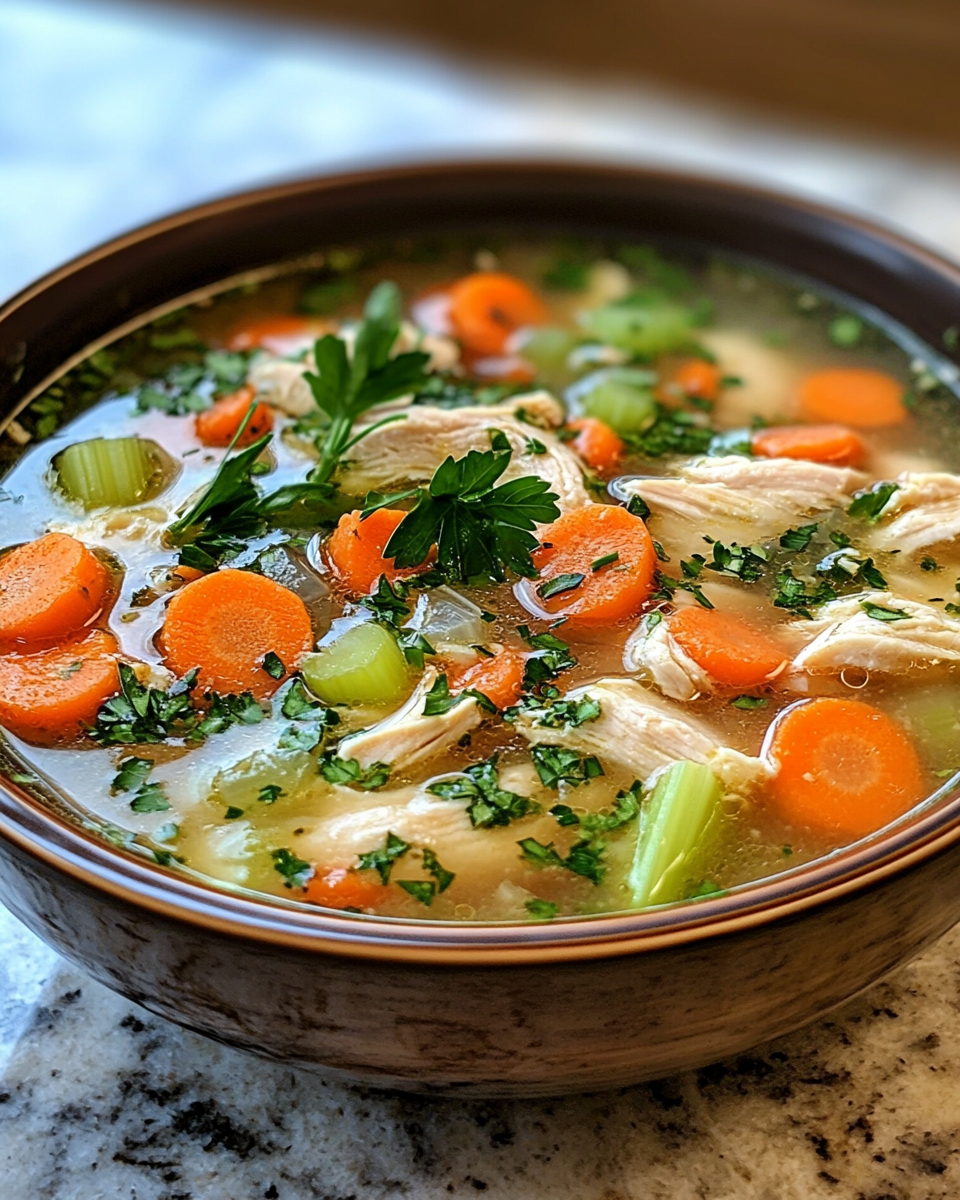
Juicy lemon chicken breast is a classic skillet dish that brings bright citrus flavor together with tender, golden-seared chicken. This Easy Lemon Chicken Breast Recipe is built around simple pantry ingredients and a quick cooking method that delivers a flavorful meal without complicated steps.
Perfect for busy weeknights or a relaxed weekend dinner, this dish balances tangy lemon, savory garlic, and a light buttery sauce that coats every bite. The chicken stays tender thanks to a short marinating time and careful pan-searing, while the sauce forms naturally in the same pan for maximum flavor.
This recipe works well on its own or paired with rice, pasta, or roasted vegetables. It also stores well, making it a practical option for meal prep.
Ingredients Overview
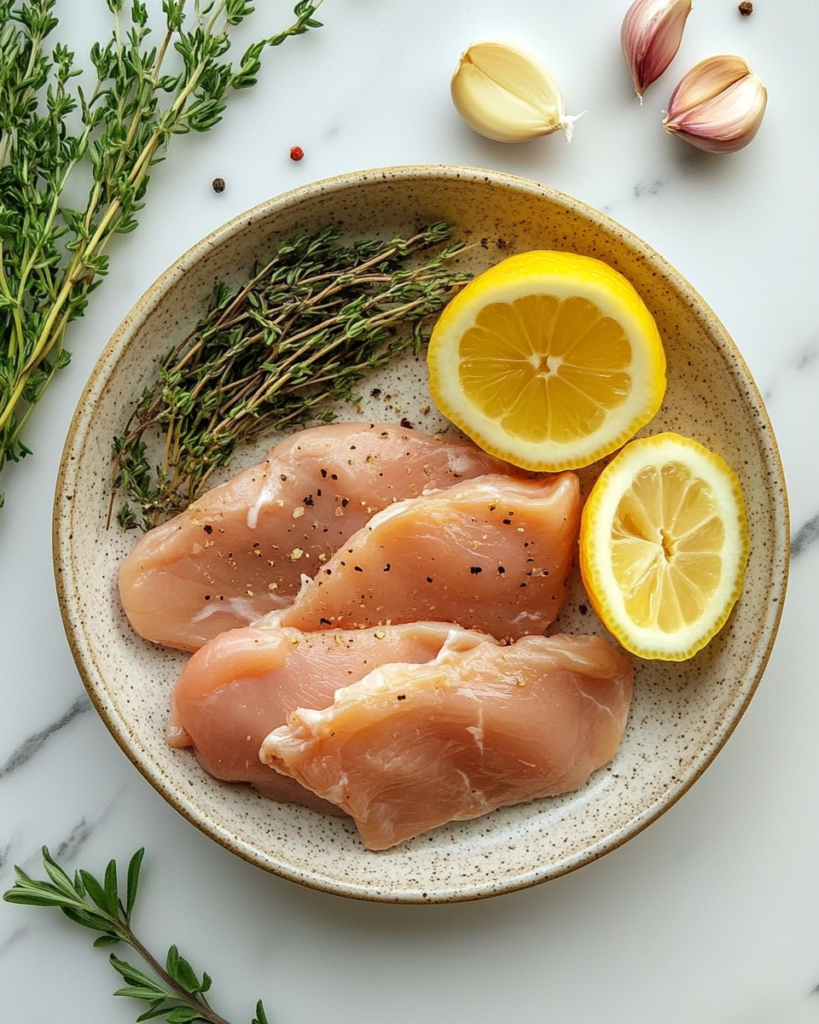
Chicken breast is the foundation of this recipe, chosen for its lean texture and quick cooking time. When sliced evenly, it cooks consistently and stays juicy when not overcooked. A light pounding or butterflying helps create uniform thickness, which is important for even browning.
Fresh lemon juice is the key flavor element. It adds brightness and a mild acidity that balances the richness of butter and olive oil. Lemon zest is also included to deepen the citrus aroma without adding extra liquid. Bottled lemon juice can be used in a pinch, though fresh lemons give a cleaner flavor.
Garlic provides savory depth and rounds out the sharpness of the lemon. It is lightly sautéed to release its aroma without turning bitter. Olive oil helps sear the chicken and adds smoothness to the sauce base.
Butter is added near the end of cooking to create a light, silky sauce. It blends with chicken juices, lemon juice, and broth to form a simple pan sauce. Chicken broth adds moisture and enhances flavor without overpowering the citrus notes.
Seasonings are kept minimal: salt, black pepper, and a touch of paprika for warmth and color. Optional parsley adds freshness when serving.
Together, these ingredients form a balanced dish with bright citrus tones, savory depth, and a tender, juicy texture.
Ingredients
2 large chicken breasts, halved horizontally
1 teaspoon salt
1/2 teaspoon black pepper
1/2 teaspoon paprika
2 tablespoons olive oil
3 cloves garlic, minced
1/2 cup chicken broth
1/3 cup fresh lemon juice
1 teaspoon lemon zest
2 tablespoons unsalted butter
1 tablespoon chopped fresh parsley
Step-by-Step Instructions
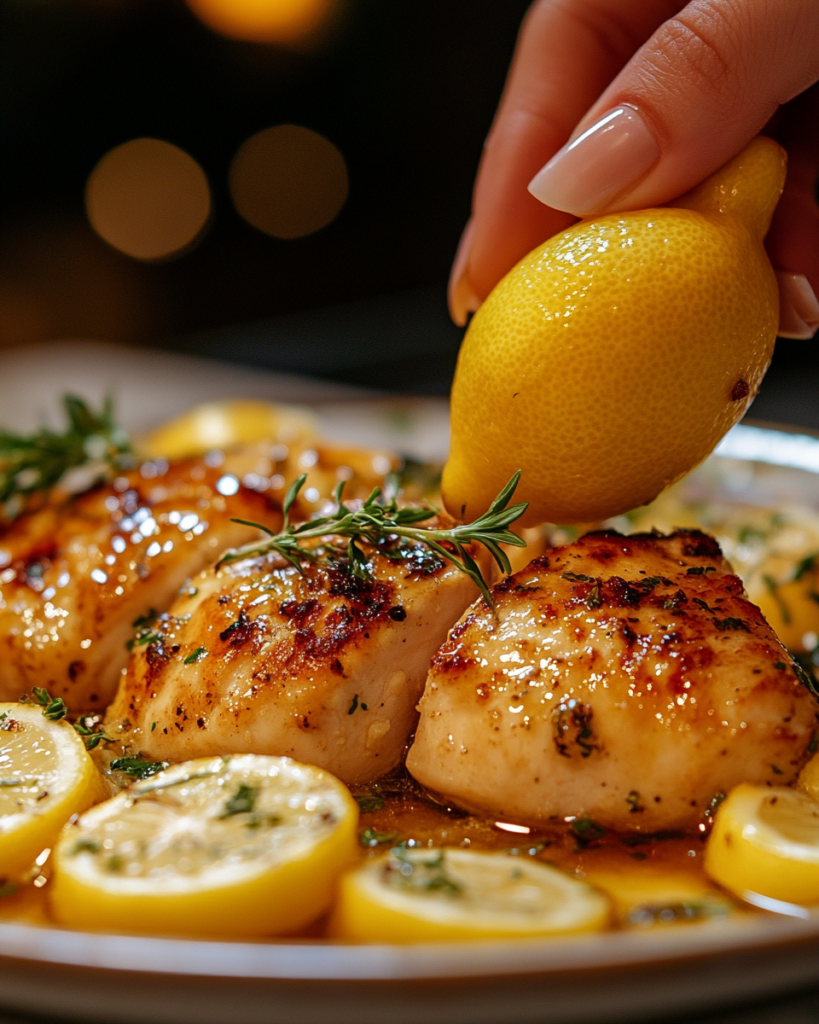
Start by preparing the chicken breasts. Slice each breast horizontally to create thinner cutlets. This helps them cook evenly and stay tender. Pat the chicken dry using paper towels, then season both sides with salt, black pepper, and paprika.
Heat a large skillet over medium-high heat. Add olive oil and allow it to warm until it shimmers lightly. Place the chicken pieces into the pan in a single layer without overcrowding. Cook for about 4–5 minutes on each side until golden brown and cooked through. The internal temperature should reach 165°F. Remove the chicken from the skillet and set it aside.
Reduce the heat to medium. Add minced garlic to the same pan and stir for about 30 seconds until fragrant. Avoid letting it brown too much, as this can create bitterness.
Pour in the chicken broth, using a wooden spoon to scrape up any browned bits from the bottom of the pan. These bits add depth to the sauce. Stir in lemon juice and lemon zest, allowing the mixture to simmer for 2–3 minutes.
Add butter and stir until it melts completely, creating a smooth sauce. Let it simmer gently until slightly reduced. Taste the sauce and adjust seasoning with a small pinch of salt or pepper if needed.
Return the cooked chicken to the skillet. Spoon the sauce over each piece and let it warm through for 2–3 minutes. This allows the chicken to absorb the lemony sauce.
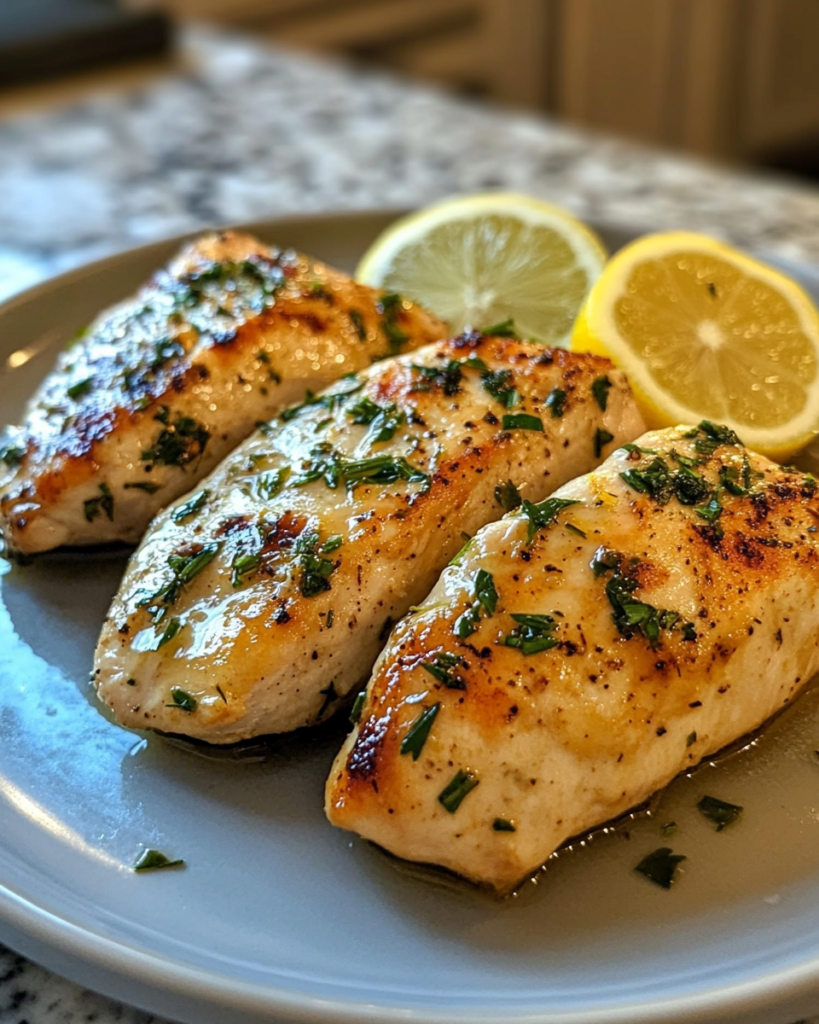
Remove from heat and sprinkle chopped parsley over the top before serving. The chicken should appear glossy with a light citrus coating, and the sauce should lightly cling to each piece without being heavy.
Tips, Variations & Substitutions
For extra tenderness, the chicken can be lightly pounded to an even thickness before cooking. This helps it cook more evenly and reduces the chance of dry edges.
If chicken broth is not available, water with a small pinch of salt can be used, though the flavor will be slightly lighter. Vegetable broth also works as an alternative.
For a creamier version, a small splash of heavy cream can be added after the lemon juice. This creates a smoother, richer sauce while still keeping the citrus note present.
Herbs such as thyme or oregano can be added during simmering for a more aromatic profile. A pinch of chili flakes can also bring gentle heat for those who prefer a spiced version.
This dish also works well with chicken thighs, though cooking time may need to be adjusted slightly due to their higher fat content.
Serving Ideas & Occasions
Lemon chicken breast pairs well with simple side dishes that absorb the sauce. Steamed white rice, mashed potatoes, or buttered pasta all work well as bases. Roasted vegetables such as carrots, zucchini, or asparagus add color and texture to the plate.
A light green salad with olive oil dressing complements the citrus notes without overpowering the dish. Crusty bread can also be served to soak up the sauce.
This recipe fits well into weeknight dinners due to its short cooking time. It also works for casual gatherings where a simple but flavorful main dish is needed.
Nutritional & Health Notes
Chicken breast is a lean protein source, making this dish naturally lower in fat compared to many pan-fried meals. The use of olive oil provides healthy fats, while lemon juice adds flavor without extra calories.
Butter is used in a moderate amount to create the sauce, contributing richness without dominating the dish. Garlic and lemon add flavor depth with minimal nutritional impact.
This meal can fit into a balanced eating pattern when paired with vegetables and whole grains. Portion sizes can be adjusted depending on dietary needs.
FAQs
Can I use chicken thighs instead of chicken breast?
Yes, chicken thighs work well in this recipe. They contain more fat, which makes them naturally juicier and more forgiving during cooking. The cooking time may be slightly longer, usually by a few minutes per side, depending on thickness. It is important to ensure they reach an internal temperature of 165°F before serving. The sauce pairs well with both cuts, though thighs will produce a slightly richer overall taste.
Can I make this recipe without butter?
Butter helps create a smooth sauce, but it can be replaced if needed. Olive oil is the closest substitute and will still carry the lemon and garlic flavors. The sauce will be slightly lighter and less creamy without butter. Another option is using a small amount of dairy-free margarine if preferred. The structure of the sauce will remain similar, though the finish will be less silky.
How do I keep chicken breast from drying out?
The key is even thickness and careful cooking time. Slicing or pounding the chicken ensures it cooks uniformly. Cooking over medium-high heat helps create a golden surface quickly while keeping the inside moist. Removing the chicken as soon as it reaches 165°F prevents overcooking. Allowing it to rest briefly before returning it to the sauce also helps retain juices.
Can I prepare the sauce ahead of time?
The sauce can be prepared in advance and stored in the refrigerator for a short time. Reheat it gently on the stove before adding freshly cooked chicken. If it thickens too much, a small splash of broth or water can bring it back to the right consistency. Fresh garlic should be added during reheating for the best aroma.
What can I use instead of fresh lemon juice?
Bottled lemon juice can be used if fresh lemons are not available. However, the flavor will be slightly less vibrant. To compensate, adding a little extra lemon zest can help improve the citrus profile. Lime juice can also be used for a different but still bright flavor variation.
Can I bake the chicken instead of pan-searing?
Yes, the chicken can be baked at 400°F until fully cooked, usually around 18–22 minutes depending on thickness. The sauce should still be prepared separately on the stove and poured over the baked chicken before serving. Pan-searing is preferred for deeper flavor, but baking is a convenient alternative.
Is this recipe suitable for meal prep?
This dish stores well in airtight containers in the refrigerator for up to three days. The sauce helps keep the chicken moist when reheated. For best results, reheat gently on the stove or in a covered pan with a small splash of broth. It pairs well with rice or vegetables for ready-made meals throughout the week.