Lemon Chicken Breast (Fresh & Juicy): 5 Simple Fresh Recipe

Posted on

Uncategorized

Difficulty

Prep time

Cooking time

Total time

Servings

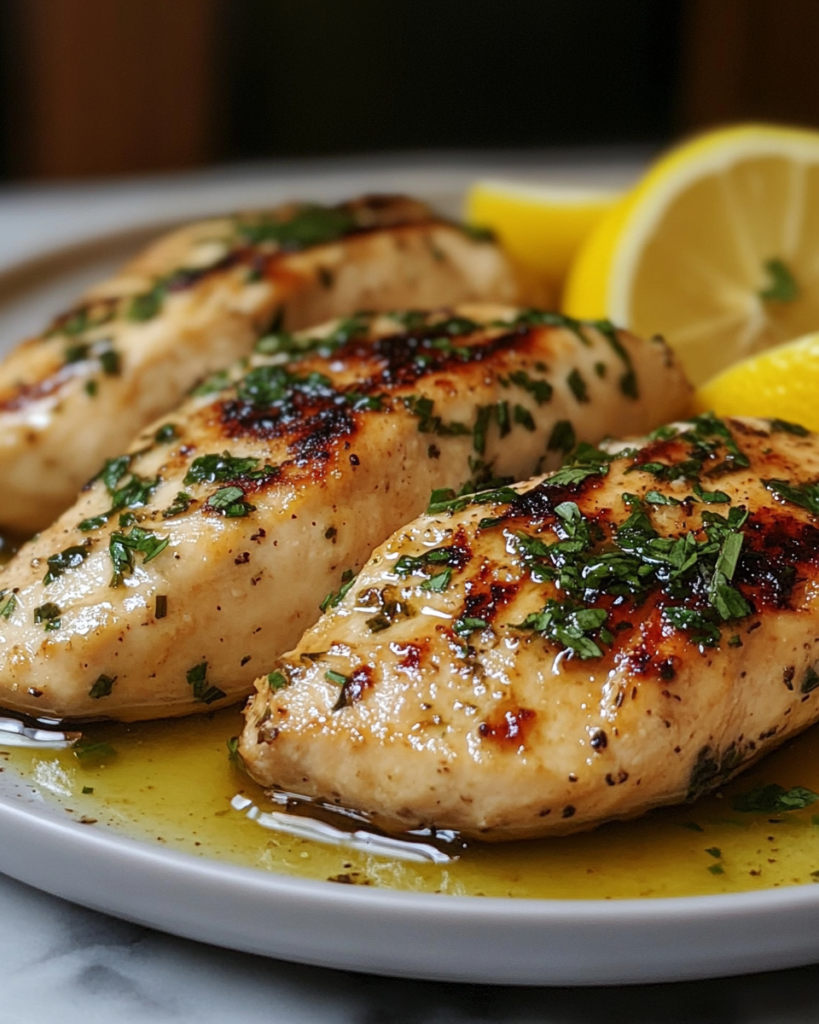
This Lemon Chicken Breast (Fresh & Juicy) recipe delivers bright citrus flavor paired with tender, juicy chicken cooked in a straightforward skillet method. The balance of lemon, olive oil, garlic, and gentle seasoning creates a dish that fits well for lunch or dinner without complicated steps.

The chicken is pan-seared until golden on the outside while staying moist inside, then finished in a light lemon pan sauce. Each bite carries a clean, tangy profile with soft savory depth from garlic and herbs.

This preparation works well for weekly meal rotation and pairs easily with grains, vegetables, or salads.


Ingredients Overview
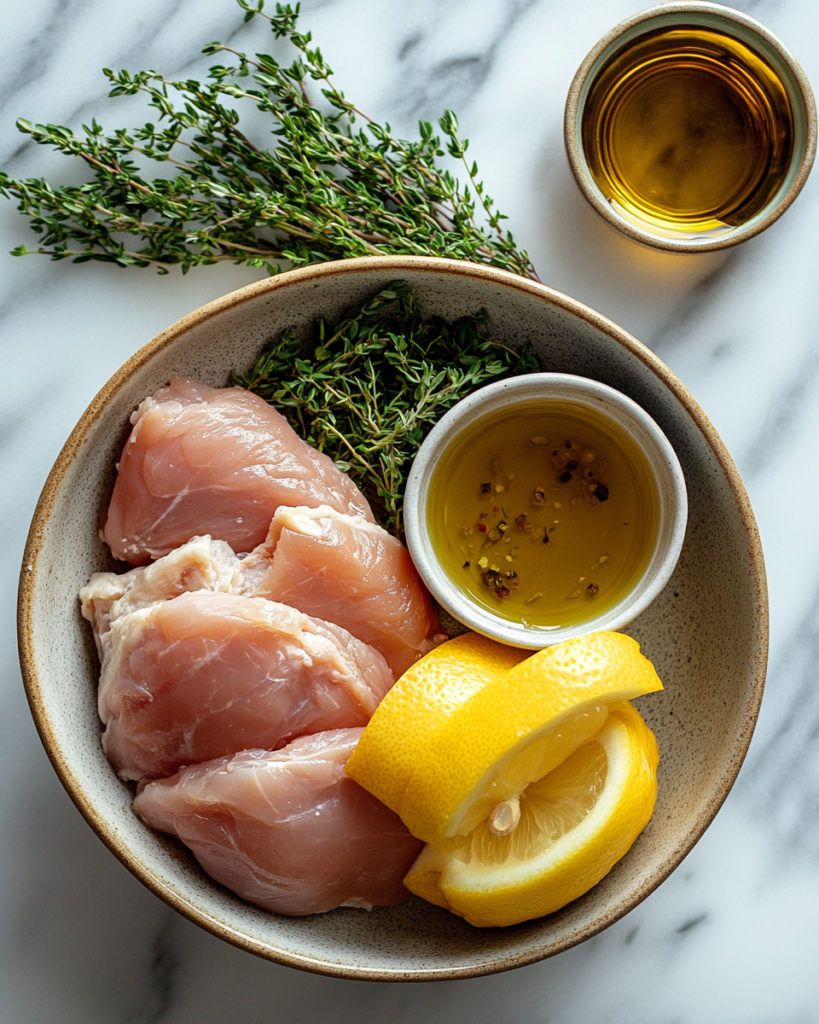
Boneless, skinless chicken breast forms the base of this dish, providing a lean protein that absorbs citrus and seasoning well. Choosing pieces with similar thickness helps even cooking and prevents dry edges.

Fresh lemon juice brings brightness and acidity, cutting through the richness of olive oil and chicken drippings. Lemon zest adds aromatic oils that deepen citrus character without extra liquid.

Garlic adds savory depth and rounds out the sharpness of lemon. It should be finely minced to release flavor quickly during cooking without burning.

Olive oil supports searing and carries flavor through the pan sauce. A moderate amount helps form a light golden crust on the chicken.

Chicken broth adds gentle moisture for the pan sauce, keeping the texture smooth and slightly glossy. It also helps lift browned bits from the pan, building flavor.

Butter finishes the sauce with a soft, silky texture. It blends with lemon juice to create a balanced coating for the chicken.

Dried oregano or thyme introduces a mild herbal note. Both work well, depending on preference, and can be adjusted slightly for stronger aroma.

Salt and black pepper are essential for seasoning the chicken evenly before cooking. Proper seasoning at the start improves overall depth in the final dish.

Optional red pepper flakes can be added for a subtle heat layer, giving contrast to the citrus base.


Ingredients

2 large boneless, skinless chicken breasts
1 1/2 teaspoons salt
1/2 teaspoon black pepper
2 tablespoons olive oil
3 cloves garlic, minced
1/2 cup chicken broth
1/3 cup fresh lemon juice
1 teaspoon lemon zest
2 tablespoons unsalted butter
1 teaspoon dried oregano or thyme
1/4 teaspoon red pepper flakes (optional)
1 tablespoon chopped parsley for finishing


Step-by-Step Instructions
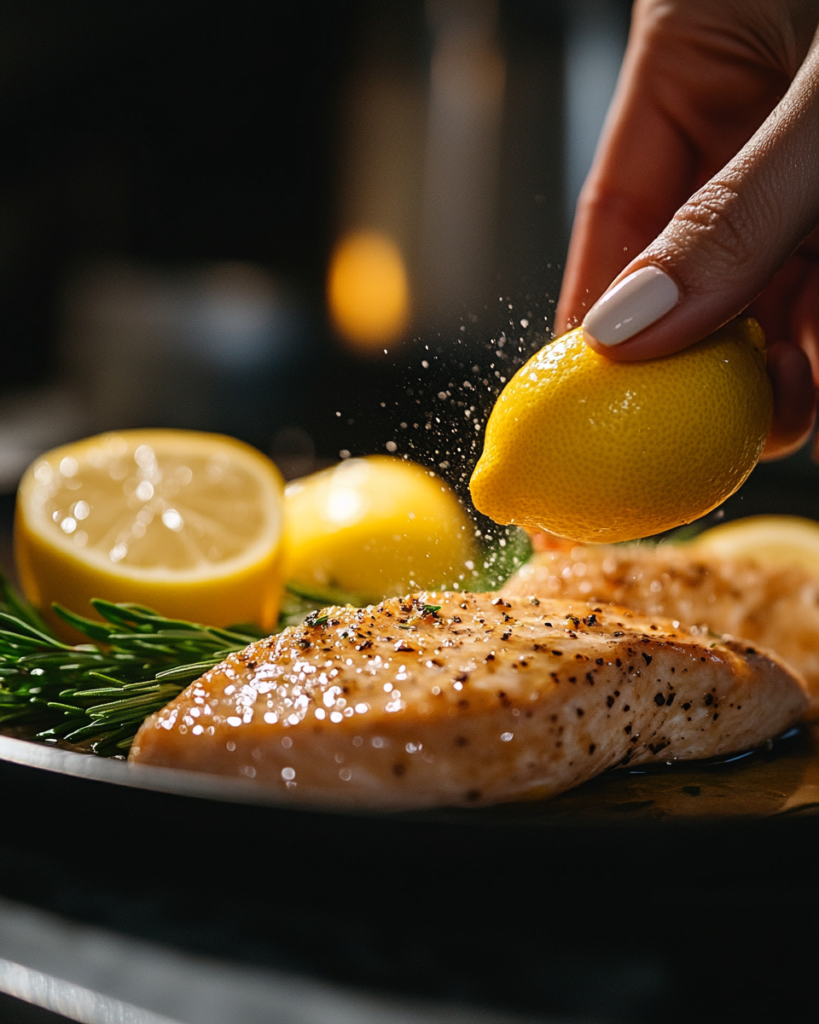
Begin by preparing the chicken breasts. Place them on a cutting board and gently pound to an even thickness, about 1/2 inch. This helps each piece cook evenly and prevents dry edges while keeping the center tender.

Season both sides of the chicken with salt and black pepper. Allow the seasoning to sit briefly so it adheres well and begins drawing out natural flavor.

Place a large skillet over medium-high heat and add olive oil. When the oil begins to shimmer, carefully lay the chicken breasts into the pan without crowding.

Cook for about 5 to 6 minutes on the first side. A golden crust should form without burning. Flip once and cook another 5 to 6 minutes until the internal texture becomes firm and juices run clear.

Transfer the cooked chicken to a plate and reduce heat to medium. Add minced garlic into the same skillet, stirring for about 30 seconds until fragrant without browning.

Pour in chicken broth and gently scrape the bottom of the pan to lift browned bits. These bits carry concentrated flavor that enriches the sauce base.

Add lemon juice, lemon zest, oregano or thyme, and optional red pepper flakes. Stir and allow the mixture to simmer for 2 to 3 minutes until slightly reduced.

Lower the heat and add butter. Stir until melted, forming a smooth, glossy sauce that lightly coats the spoon.

Return chicken to the skillet and spoon sauce over each piece. Allow the chicken to rest in the sauce for 2 to 3 minutes so flavor absorbs into the surface.

Finish with chopped parsley before serving. The final texture should be juicy with a light citrus glaze over the top.


Tips, Variations & Substitutions

Pounding chicken to even thickness plays a major role in achieving consistent texture. Skipping this step can lead to uneven doneness, with thinner parts drying faster than thicker areas.

For extra tenderness, chicken can rest briefly in lemon juice, olive oil, and garlic before cooking. A short 20 to 30 minute rest period is enough for light flavor absorption without breaking down texture.

Fresh lemon juice works best, though bottled juice can be used in a pinch. Zest adds stronger aroma and should not be skipped if available.

Herbs can be adjusted based on preference. Thyme provides earthy notes, while oregano leans slightly sharper and more aromatic.

For a creamier sauce, a small splash of cream can be added after the broth reduces. This creates a richer coating while still keeping citrus brightness.

Chicken thighs can replace breasts for a slightly richer texture. Cooking time should be adjusted to match thickness and fat content.


Serving Ideas & Occasions

This dish pairs well with simple sides like steamed rice, mashed potatoes, or roasted vegetables. The citrus sauce blends nicely with mild grains that absorb flavor.

A light salad with cucumbers, greens, and olive oil dressing complements the lemon profile without overpowering it.

For a fuller meal, roasted carrots or asparagus provide texture contrast and balance the acidity of the sauce.

This recipe fits well into weekday dinners due to its quick cooking method and minimal preparation steps. It also works for casual gatherings where simple plated dishes are preferred.


Nutritional & Health Notes

Chicken breast provides a lean source of protein with low fat content, making it suitable for balanced meal planning. It supports muscle maintenance and steady energy without heavy richness.

Lemon juice adds vitamin C and natural acidity without adding calories. It also supports flavor depth, reducing the need for heavier sauces.

Olive oil contributes healthy fats that support satiety and help carry flavor through cooking.

Garlic and herbs add flavor complexity with minimal caloric impact, supporting overall dish balance.

This preparation avoids heavy frying or breading, keeping the dish lighter while maintaining satisfying texture and taste.


FAQs

Can chicken thighs be used instead of breasts?

Chicken thighs can replace chicken breasts in this recipe. They contain slightly more fat, which results in a richer texture and juicier bite. Cooking time should be adjusted depending on thickness, as thighs may require a few extra minutes in the skillet. The lemon sauce pairs well with both cuts, so flavor balance remains consistent.

Can bottled lemon juice work in this recipe?

Bottled lemon juice can be used when fresh lemons are not available. However, fresh juice provides a brighter and more aromatic flavor due to natural oils in the fruit. If bottled juice is used, adding a small amount of lemon zest can help restore some of the missing aroma.

How can dryness in chicken breasts be avoided?

Even thickness is key for preventing dryness. Pounding chicken breasts helps them cook evenly from edge to center. Cooking over medium-high heat and avoiding overcooking also supports juiciness. Resting chicken in sauce after cooking allows moisture to redistribute.

Can this dish be prepared ahead of time?

Yes, the chicken can be cooked ahead and stored in the refrigerator for later use. Reheating should be done gently in a skillet with a small amount of broth or water to preserve moisture. The sauce can also be prepared in advance and combined during reheating.

What herbs work best with lemon chicken?

Thyme and oregano are commonly used due to their earthy and slightly peppery notes. Parsley is often added at the end for freshness. Rosemary can also be used in small amounts for a stronger herbal profile.

Can the sauce be made thicker?

To thicken the sauce, allow it to simmer slightly longer after adding broth and lemon juice. Another option is reducing the liquid further before adding butter. The butter naturally helps create a slightly thicker and smoother texture.

What side dishes pair well with lemon chicken?

Simple sides such as rice, mashed potatoes, or roasted vegetables pair well with lemon chicken. Light salads or steamed greens also complement the citrus sauce without overpowering the main dish.

[rank_math_breadcrumb]

Lemon Chicken Breast (Fresh & Juicy): 5 Simple Fresh Recipe

Photo of author
Author: Elizabeth
Published:

This Lemon Chicken Breast (Fresh & Juicy) recipe delivers bright citrus flavor paired with tender, juicy chicken cooked in a straightforward skillet method. The balance of lemon, olive oil, garlic, and gentle seasoning creates a dish that fits well for lunch or dinner without complicated steps.

The chicken is pan-seared until golden on the outside while staying moist inside, then finished in a light lemon pan sauce. Each bite carries a clean, tangy profile with soft savory depth from garlic and herbs.

This preparation works well for weekly meal rotation and pairs easily with grains, vegetables, or salads.


Ingredients Overview

Boneless, skinless chicken breast forms the base of this dish, providing a lean protein that absorbs citrus and seasoning well. Choosing pieces with similar thickness helps even cooking and prevents dry edges.

Fresh lemon juice brings brightness and acidity, cutting through the richness of olive oil and chicken drippings. Lemon zest adds aromatic oils that deepen citrus character without extra liquid.

Garlic adds savory depth and rounds out the sharpness of lemon. It should be finely minced to release flavor quickly during cooking without burning.

Olive oil supports searing and carries flavor through the pan sauce. A moderate amount helps form a light golden crust on the chicken.

Chicken broth adds gentle moisture for the pan sauce, keeping the texture smooth and slightly glossy. It also helps lift browned bits from the pan, building flavor.

Butter finishes the sauce with a soft, silky texture. It blends with lemon juice to create a balanced coating for the chicken.

Dried oregano or thyme introduces a mild herbal note. Both work well, depending on preference, and can be adjusted slightly for stronger aroma.

Salt and black pepper are essential for seasoning the chicken evenly before cooking. Proper seasoning at the start improves overall depth in the final dish.

Optional red pepper flakes can be added for a subtle heat layer, giving contrast to the citrus base.


Ingredients

2 large boneless, skinless chicken breasts
1 1/2 teaspoons salt
1/2 teaspoon black pepper
2 tablespoons olive oil
3 cloves garlic, minced
1/2 cup chicken broth
1/3 cup fresh lemon juice
1 teaspoon lemon zest
2 tablespoons unsalted butter
1 teaspoon dried oregano or thyme
1/4 teaspoon red pepper flakes (optional)
1 tablespoon chopped parsley for finishing


Step-by-Step Instructions

Begin by preparing the chicken breasts. Place them on a cutting board and gently pound to an even thickness, about 1/2 inch. This helps each piece cook evenly and prevents dry edges while keeping the center tender.

Season both sides of the chicken with salt and black pepper. Allow the seasoning to sit briefly so it adheres well and begins drawing out natural flavor.

Place a large skillet over medium-high heat and add olive oil. When the oil begins to shimmer, carefully lay the chicken breasts into the pan without crowding.

Cook for about 5 to 6 minutes on the first side. A golden crust should form without burning. Flip once and cook another 5 to 6 minutes until the internal texture becomes firm and juices run clear.

Transfer the cooked chicken to a plate and reduce heat to medium. Add minced garlic into the same skillet, stirring for about 30 seconds until fragrant without browning.

Pour in chicken broth and gently scrape the bottom of the pan to lift browned bits. These bits carry concentrated flavor that enriches the sauce base.

Add lemon juice, lemon zest, oregano or thyme, and optional red pepper flakes. Stir and allow the mixture to simmer for 2 to 3 minutes until slightly reduced.

Lower the heat and add butter. Stir until melted, forming a smooth, glossy sauce that lightly coats the spoon.

Return chicken to the skillet and spoon sauce over each piece. Allow the chicken to rest in the sauce for 2 to 3 minutes so flavor absorbs into the surface.

Finish with chopped parsley before serving. The final texture should be juicy with a light citrus glaze over the top.


Tips, Variations & Substitutions

Pounding chicken to even thickness plays a major role in achieving consistent texture. Skipping this step can lead to uneven doneness, with thinner parts drying faster than thicker areas.

For extra tenderness, chicken can rest briefly in lemon juice, olive oil, and garlic before cooking. A short 20 to 30 minute rest period is enough for light flavor absorption without breaking down texture.

Fresh lemon juice works best, though bottled juice can be used in a pinch. Zest adds stronger aroma and should not be skipped if available.

Herbs can be adjusted based on preference. Thyme provides earthy notes, while oregano leans slightly sharper and more aromatic.

For a creamier sauce, a small splash of cream can be added after the broth reduces. This creates a richer coating while still keeping citrus brightness.

Chicken thighs can replace breasts for a slightly richer texture. Cooking time should be adjusted to match thickness and fat content.


Serving Ideas & Occasions

This dish pairs well with simple sides like steamed rice, mashed potatoes, or roasted vegetables. The citrus sauce blends nicely with mild grains that absorb flavor.

A light salad with cucumbers, greens, and olive oil dressing complements the lemon profile without overpowering it.

For a fuller meal, roasted carrots or asparagus provide texture contrast and balance the acidity of the sauce.

This recipe fits well into weekday dinners due to its quick cooking method and minimal preparation steps. It also works for casual gatherings where simple plated dishes are preferred.


Nutritional & Health Notes

Chicken breast provides a lean source of protein with low fat content, making it suitable for balanced meal planning. It supports muscle maintenance and steady energy without heavy richness.

Lemon juice adds vitamin C and natural acidity without adding calories. It also supports flavor depth, reducing the need for heavier sauces.

Olive oil contributes healthy fats that support satiety and help carry flavor through cooking.

Garlic and herbs add flavor complexity with minimal caloric impact, supporting overall dish balance.

This preparation avoids heavy frying or breading, keeping the dish lighter while maintaining satisfying texture and taste.


FAQs

Can chicken thighs be used instead of breasts?

Chicken thighs can replace chicken breasts in this recipe. They contain slightly more fat, which results in a richer texture and juicier bite. Cooking time should be adjusted depending on thickness, as thighs may require a few extra minutes in the skillet. The lemon sauce pairs well with both cuts, so flavor balance remains consistent.

Can bottled lemon juice work in this recipe?

Bottled lemon juice can be used when fresh lemons are not available. However, fresh juice provides a brighter and more aromatic flavor due to natural oils in the fruit. If bottled juice is used, adding a small amount of lemon zest can help restore some of the missing aroma.

How can dryness in chicken breasts be avoided?

Even thickness is key for preventing dryness. Pounding chicken breasts helps them cook evenly from edge to center. Cooking over medium-high heat and avoiding overcooking also supports juiciness. Resting chicken in sauce after cooking allows moisture to redistribute.

Can this dish be prepared ahead of time?

Yes, the chicken can be cooked ahead and stored in the refrigerator for later use. Reheating should be done gently in a skillet with a small amount of broth or water to preserve moisture. The sauce can also be prepared in advance and combined during reheating.

What herbs work best with lemon chicken?

Thyme and oregano are commonly used due to their earthy and slightly peppery notes. Parsley is often added at the end for freshness. Rosemary can also be used in small amounts for a stronger herbal profile.

Can the sauce be made thicker?

To thicken the sauce, allow it to simmer slightly longer after adding broth and lemon juice. Another option is reducing the liquid further before adding butter. The butter naturally helps create a slightly thicker and smoother texture.

What side dishes pair well with lemon chicken?

Simple sides such as rice, mashed potatoes, or roasted vegetables pair well with lemon chicken. Light salads or steamed greens also complement the citrus sauce without overpowering the main dish.
Name

Lorem ipsum dolor sit amet, consectetur adipiscing elit. Suspendisse varius enim in eros elementum tristique. Duis cursus, mi quis viverra ornare, eros dolor interdum nulla, ut commodo diam libero vitae erat.

You Might Also Like...

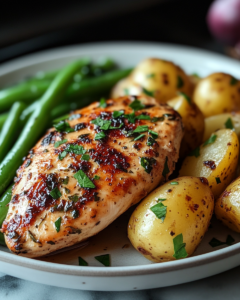
Simple Chicken Breast Dinner Recipes 5 Easy Delicious Meals

Simple Chicken Breast Dinner Recipes 5 Easy Delicious Meals

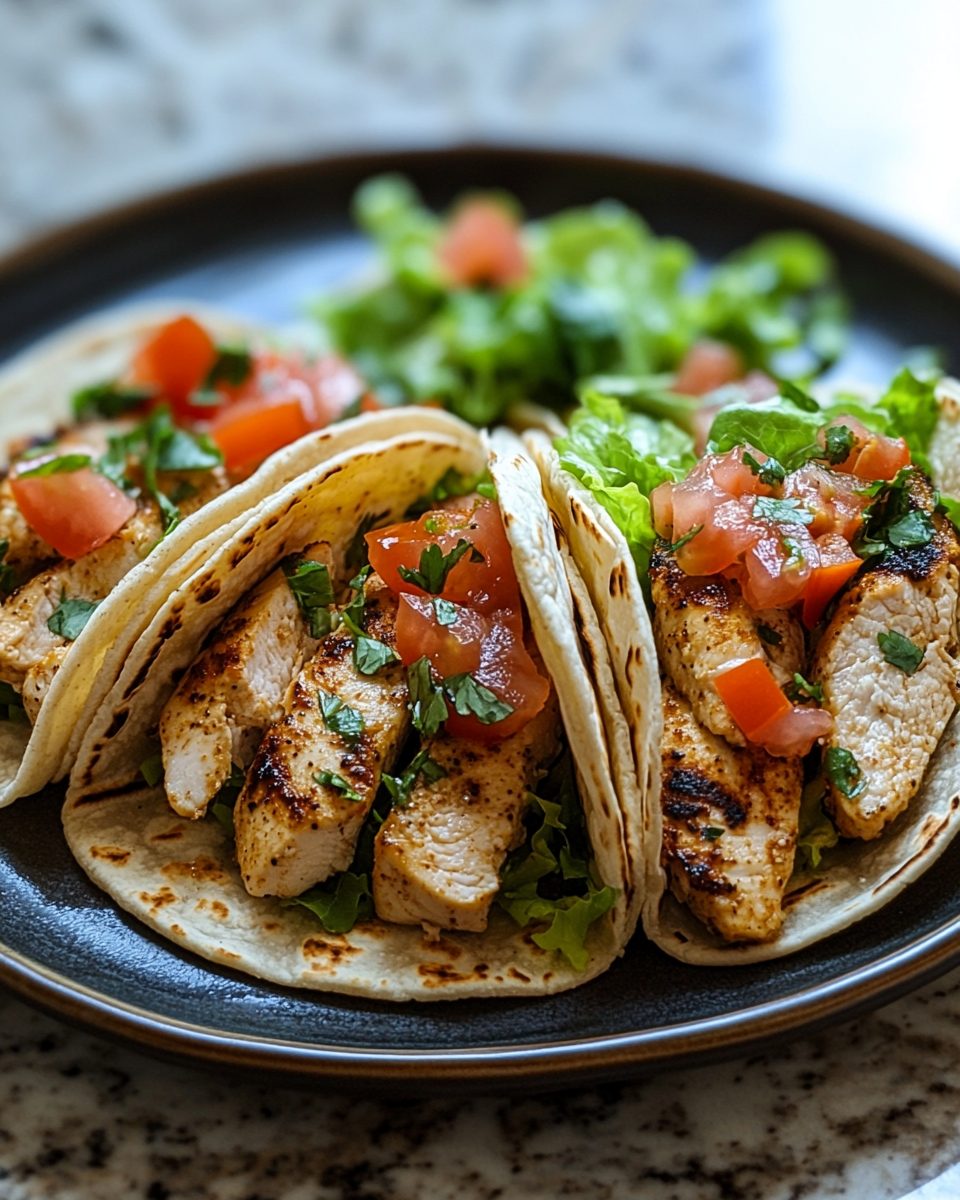
Healthy Chicken Breast Tacos Meal 7 Quick Fresh Delightful

Healthy Chicken Breast Tacos Meal 7 Quick Fresh Delightful

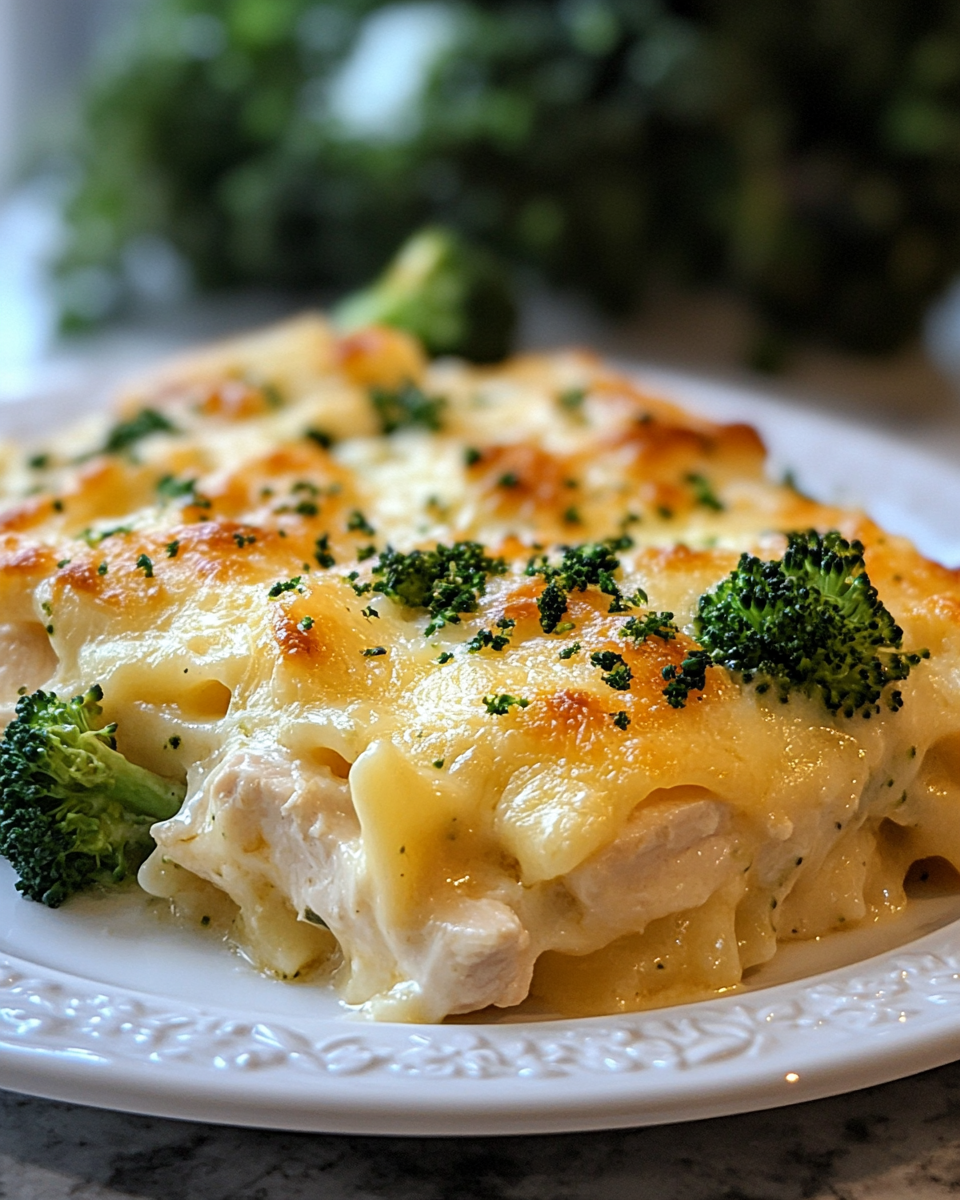
Cheesy Chicken Breast Casserole Recipe 5 Ultimate Surprising

Cheesy Chicken Breast Casserole Recipe 5 Ultimate Surprising

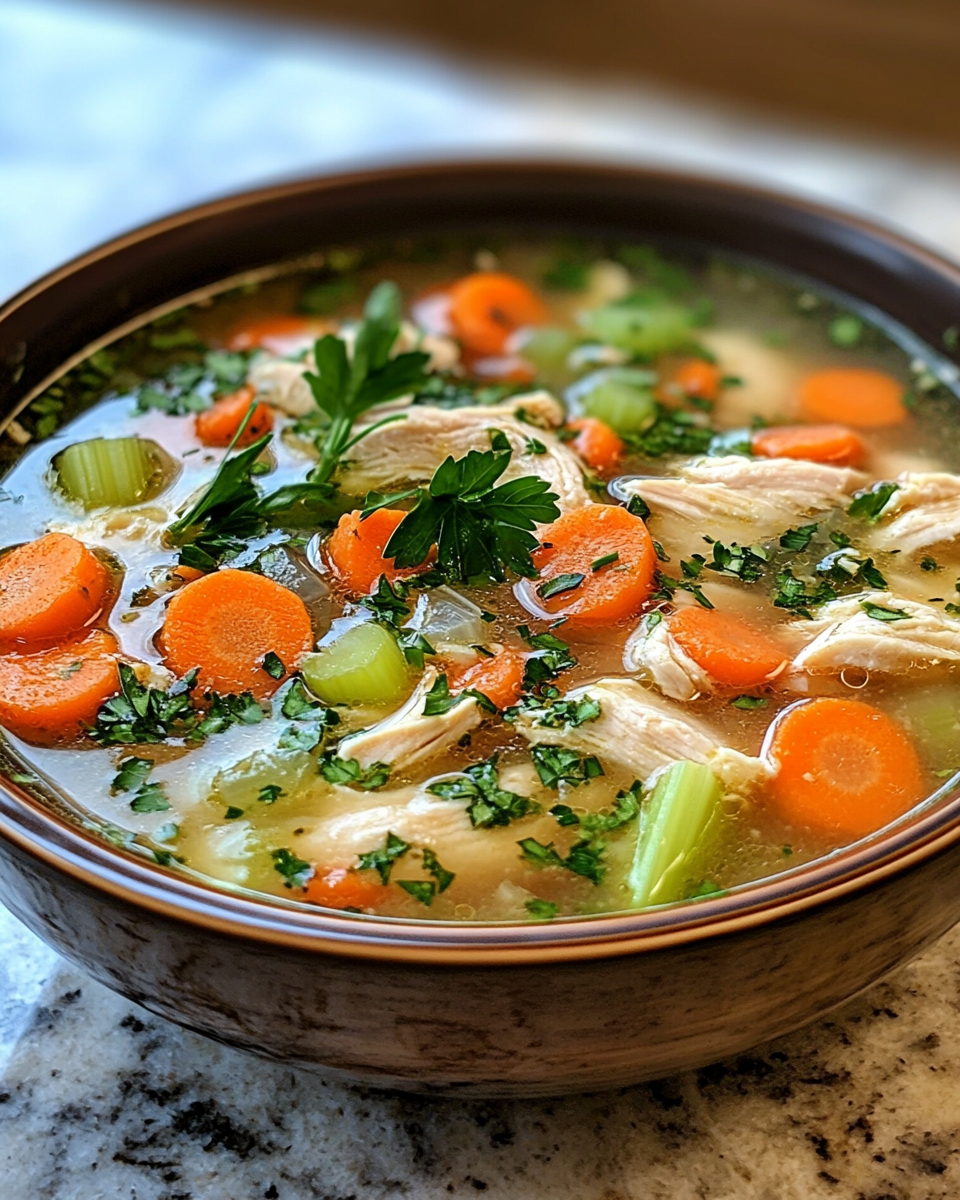
Easy Chicken Breast Soup Recipe 7 Simple Cozy Comforting Bowls

Easy Chicken Breast Soup Recipe 7 Simple Cozy Comforting Bowls

Tags:

You might also like these recipes

Leave a Comment