Chicken Breast Skillet (Quick One Pan Dinner) 5 Quick Tasty

Posted on

Uncategorized

Difficulty

Prep time

Cooking time

Total time

Servings

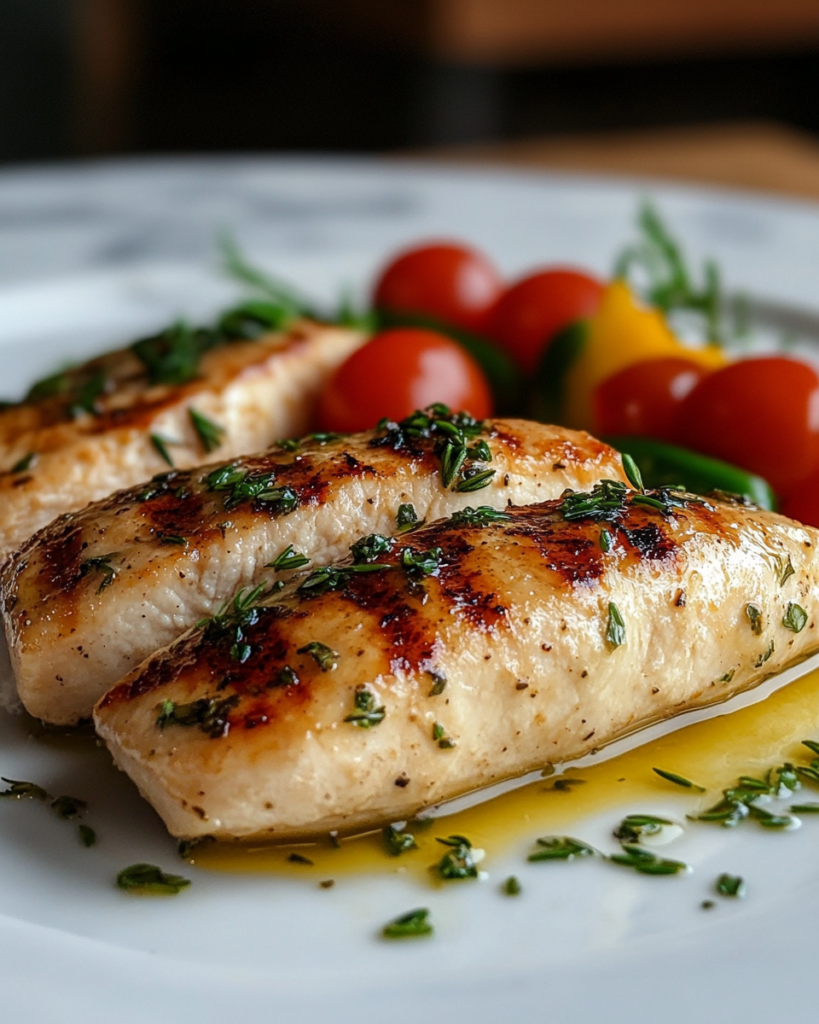
A chicken breast skillet brings fast stovetop cooking into a single pan with balanced texture and rich pan flavor. Thinly sliced chicken breast cooks quickly while absorbing seasoning and aromatics from onions, garlic, and light sauce components.

This dish fits a busy evening routine where minimal cleanup and steady heat control matter. The skillet method allows browning on the surface of the chicken, which builds flavor in the pan base. That browned layer blends into the sauce as liquid is added, forming a savory coating for each piece.

Simple pantry seasonings combine with fresh ingredients to create depth without complex steps. The result is tender chicken with a lightly thickened sauce that coats vegetables and protein evenly. This style of cooking works well for serving over grains, mashed potatoes, or vegetables.

Ingredients Overview
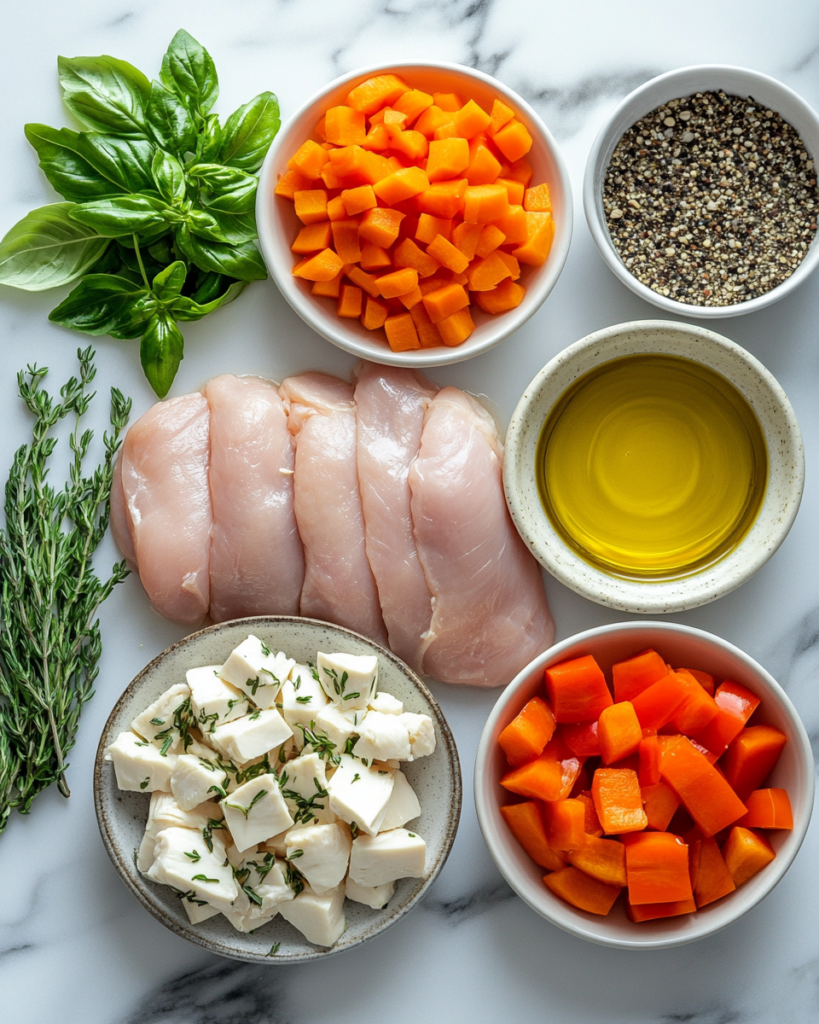
Chicken breast forms the core protein in this skillet dish. Its mild flavor takes on seasoning easily, especially when sliced into even strips for consistent cooking. Thin slicing helps control texture so the chicken remains tender rather than dry.

Olive oil provides the base fat for browning. It helps create a light crust on the chicken surface while carrying garlic and onion flavor through the pan. Onion and garlic bring aromatic depth and form the foundation of the sauce base once softened.

Chicken broth adds moisture and forms the liquid component of the sauce. It lifts browned bits from the pan, which increases savory richness. A small amount of butter can be added for a smoother finish and light creaminess without heavy dairy.

Paprika and black pepper add warmth and mild spice. Paprika also contributes color to the sauce. A small amount of flour or cornstarch can slightly thicken the liquid, giving it a light coating texture that clings to the chicken.

Fresh parsley or similar herbs are optional but add brightness at the end of cooking. Lemon juice can be added for acidity, balancing the richness of the skillet sauce.

Substitutions are flexible. Chicken thighs can replace breast for a juicier result. Vegetable broth can replace chicken broth. Arrowroot or cornstarch can be used instead of flour for thickening. Red onion can replace yellow onion for sharper flavor.

Ingredients

1 1/4 pounds chicken breast, sliced into strips
2 tablespoons olive oil
1 medium yellow onion, thinly sliced
3 cloves garlic, minced
1/2 teaspoon salt
1/2 teaspoon black pepper
1 teaspoon paprika
1/2 cup chicken broth
1 tablespoon butter
1 teaspoon cornstarch
2 tablespoons water
1 tablespoon lemon juice
2 tablespoons chopped parsley

Step-by-Step Instructions
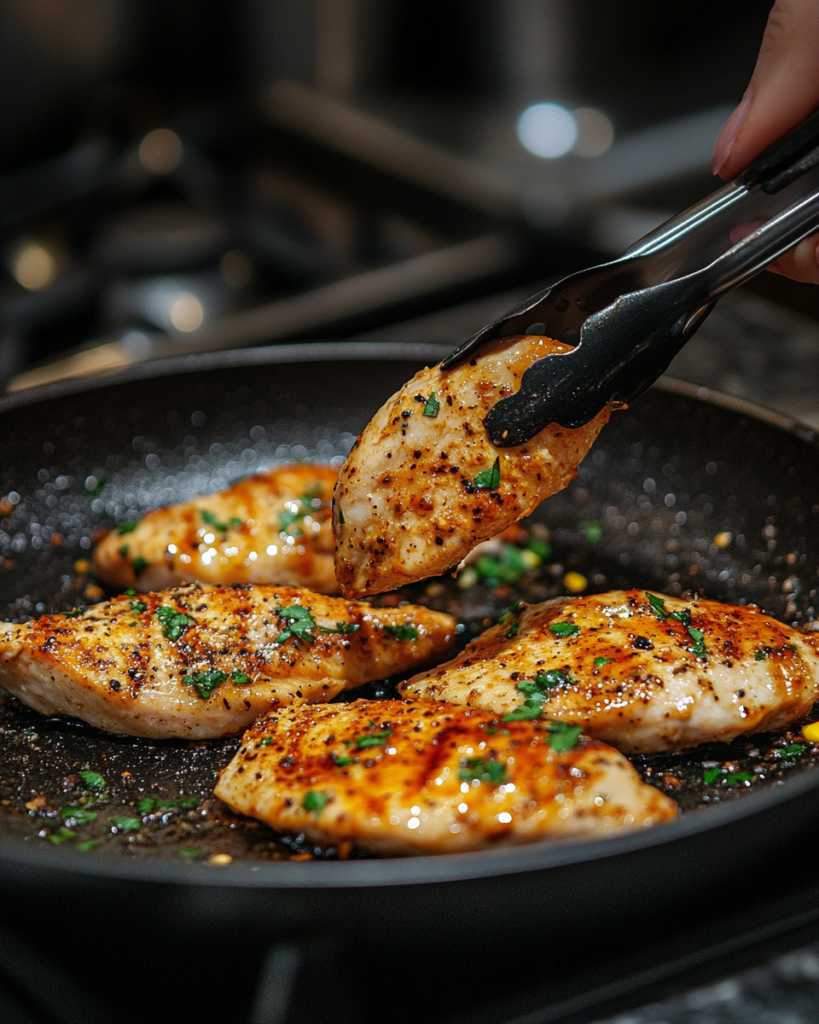
Place a large skillet over medium heat and add olive oil. Allow the oil to warm until it spreads easily across the surface. Add sliced chicken breast in a single layer. Cook for several minutes without frequent movement so a light golden surface develops. Turn pieces and continue cooking until most sides show light browning.

Remove chicken from the skillet and set aside on a plate. Add sliced onion into the same pan. Cook until softened and slightly translucent. Stir regularly so the onion does not stick to the base. Add minced garlic and cook briefly until fragrant.

Return chicken to the skillet. Sprinkle salt, black pepper, and paprika over the mixture. Stir so seasoning coats both chicken and onion evenly. The paprika will begin to tint the oil and onion mixture with a warm color.

Pour chicken broth into the pan. Use a spoon to lift browned bits from the bottom surface. These bits dissolve into the liquid and increase depth of flavor in the sauce. Allow the mixture to simmer gently so the liquid reduces slightly.

Mix cornstarch with water in a small bowl until smooth. Pour into the skillet while stirring. The sauce will begin to thicken lightly. Add butter and stir until it melts into the liquid, creating a smoother texture.

Continue simmering until the sauce reaches a light coating consistency. The chicken should remain tender and fully cooked through. Avoid high heat at this stage, as it can reduce tenderness and cause uneven texture.

Turn off heat and add lemon juice. Stir to distribute acidity through the sauce. Sprinkle chopped parsley across the top for freshness and color contrast.

Let the skillet rest briefly before serving so the sauce settles and coats the chicken evenly.

Tips, Variations & Substitutions

Slicing chicken into even strips helps maintain consistent cooking across all pieces. Uneven thickness can lead to dry edges or undercooked centers. A steady medium heat supports balanced browning without burning the surface.

For a creamier version, a small amount of cream can replace part of the broth. This creates a richer sauce with a smoother finish. For a lighter version, additional broth can be used without thickening agents.

Vegetables such as bell peppers, zucchini, or mushrooms can be added during the onion stage. These ingredients absorb skillet flavor and expand the dish volume without changing core preparation steps.

Smoked paprika can replace regular paprika for deeper flavor notes. Fresh thyme can be added during simmering for an herbal layer.

Serving Ideas & Occasions

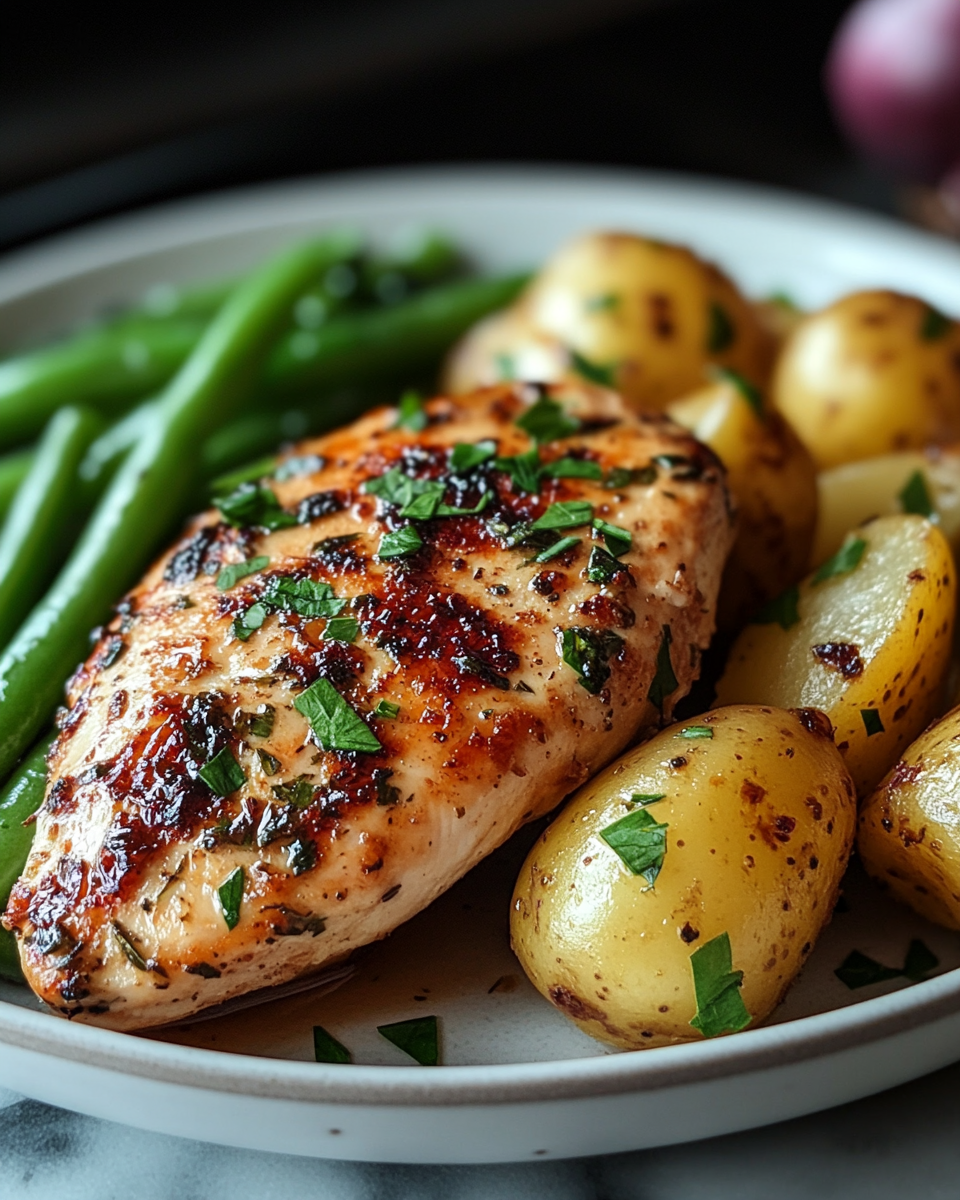
This chicken skillet pairs well with rice, pasta, or roasted potatoes. Each base absorbs the sauce and balances the seasoned chicken. Crusty bread can also be served on the side for dipping into the pan sauce.

Steamed vegetables such as broccoli or green beans complement the skillet without overpowering its flavor. A simple side salad adds freshness and contrast.

This dish fits weekday cooking routines due to its short stovetop time and single-pan preparation. It also works well for casual gatherings where simple plated meals are preferred.

Nutritional & Health Notes

Chicken breast provides lean protein with relatively low fat content. This supports balanced macronutrient intake in a single meal. Olive oil contributes healthy fats in moderate quantity.

Onions and garlic provide plant-based compounds that add flavor without heavy calorie contribution. Broth-based sauce keeps the dish lighter compared to cream-heavy alternatives.

Sodium levels can be adjusted by selecting low-sodium broth. The dish can also be paired with high-fiber sides such as vegetables or whole grains for added balance.

FAQs

What type of chicken works best for skillet cooking?

Chicken breast works well due to its lean structure and quick cooking time. Slicing it into strips or thin cutlets helps maintain tenderness and allows even browning. Chicken thighs can also be used for a richer texture and slightly higher fat content. Both options absorb skillet seasoning effectively. The choice depends on preference for leaner or juicier meat texture. Proper heat control remains important regardless of cut to prevent dryness during cooking.

Can frozen chicken be used directly in this recipe?

Frozen chicken should be fully thawed before skillet cooking. Cooking directly from frozen can lead to uneven texture, with the exterior overcooking before the center reaches proper doneness. Thawing in the refrigerator gives the most stable result. Once thawed, patting the chicken dry helps improve browning in the skillet. Moisture on the surface can reduce searing quality and affect flavor development in the pan.

What thickening method works best for the sauce?

Cornstarch mixed with water provides a smooth and consistent thickening effect. It blends easily into the simmering broth and creates a light coating texture. Flour can also be used, though it may require longer cooking to remove raw flavor. Arrowroot is another alternative for a clearer sauce finish. Each option changes texture slightly, but all support a lightly coated skillet consistency.

Can vegetables be cooked with the chicken?

Vegetables can be added during the onion stage or shortly after. Mushrooms, peppers, and zucchini hold up well in skillet heat and absorb seasoning from the pan. Adding them early allows them to soften and blend into the sauce. Harder vegetables may require slightly longer cooking time before chicken is returned to the skillet. This approach creates a single-pan meal with balanced texture and flavor.

What prevents chicken from drying out?

Even slicing and controlled medium heat help maintain moisture in chicken breast. Removing chicken temporarily during onion cooking also prevents overexposure to heat. Returning it to the pan only during simmering keeps texture tender. Adding broth and butter contributes moisture to the final sauce. Avoiding extended high heat during final stages supports a juicier result.

Can this dish be prepared ahead of time?

The skillet can be prepared ahead and stored in a sealed container once cooled. Reheating should be done over low heat with a small splash of broth to restore sauce consistency. Chicken retains texture well when reheated gently. Storing for a short period in refrigeration works best for maintaining flavor quality.

What side dishes match this skillet meal?

Rice, pasta, or mashed potatoes pair well because they absorb the skillet sauce. Roasted vegetables also complement the chicken without overpowering seasoning. A simple green salad can balance richness with freshness. Bread works as an additional option for sauce pairing. Each side provides a different texture contrast while keeping the meal balanced in flavor.

[rank_math_breadcrumb]

Chicken Breast Skillet (Quick One Pan Dinner) 5 Quick Tasty

Photo of author
Author: Elizabeth
Published:

A chicken breast skillet brings fast stovetop cooking into a single pan with balanced texture and rich pan flavor. Thinly sliced chicken breast cooks quickly while absorbing seasoning and aromatics from onions, garlic, and light sauce components.

This dish fits a busy evening routine where minimal cleanup and steady heat control matter. The skillet method allows browning on the surface of the chicken, which builds flavor in the pan base. That browned layer blends into the sauce as liquid is added, forming a savory coating for each piece.

Simple pantry seasonings combine with fresh ingredients to create depth without complex steps. The result is tender chicken with a lightly thickened sauce that coats vegetables and protein evenly. This style of cooking works well for serving over grains, mashed potatoes, or vegetables.

Ingredients Overview

Chicken breast forms the core protein in this skillet dish. Its mild flavor takes on seasoning easily, especially when sliced into even strips for consistent cooking. Thin slicing helps control texture so the chicken remains tender rather than dry.

Olive oil provides the base fat for browning. It helps create a light crust on the chicken surface while carrying garlic and onion flavor through the pan. Onion and garlic bring aromatic depth and form the foundation of the sauce base once softened.

Chicken broth adds moisture and forms the liquid component of the sauce. It lifts browned bits from the pan, which increases savory richness. A small amount of butter can be added for a smoother finish and light creaminess without heavy dairy.

Paprika and black pepper add warmth and mild spice. Paprika also contributes color to the sauce. A small amount of flour or cornstarch can slightly thicken the liquid, giving it a light coating texture that clings to the chicken.

Fresh parsley or similar herbs are optional but add brightness at the end of cooking. Lemon juice can be added for acidity, balancing the richness of the skillet sauce.

Substitutions are flexible. Chicken thighs can replace breast for a juicier result. Vegetable broth can replace chicken broth. Arrowroot or cornstarch can be used instead of flour for thickening. Red onion can replace yellow onion for sharper flavor.

Ingredients

1 1/4 pounds chicken breast, sliced into strips
2 tablespoons olive oil
1 medium yellow onion, thinly sliced
3 cloves garlic, minced
1/2 teaspoon salt
1/2 teaspoon black pepper
1 teaspoon paprika
1/2 cup chicken broth
1 tablespoon butter
1 teaspoon cornstarch
2 tablespoons water
1 tablespoon lemon juice
2 tablespoons chopped parsley

Step-by-Step Instructions

Place a large skillet over medium heat and add olive oil. Allow the oil to warm until it spreads easily across the surface. Add sliced chicken breast in a single layer. Cook for several minutes without frequent movement so a light golden surface develops. Turn pieces and continue cooking until most sides show light browning.

Remove chicken from the skillet and set aside on a plate. Add sliced onion into the same pan. Cook until softened and slightly translucent. Stir regularly so the onion does not stick to the base. Add minced garlic and cook briefly until fragrant.

Return chicken to the skillet. Sprinkle salt, black pepper, and paprika over the mixture. Stir so seasoning coats both chicken and onion evenly. The paprika will begin to tint the oil and onion mixture with a warm color.

Pour chicken broth into the pan. Use a spoon to lift browned bits from the bottom surface. These bits dissolve into the liquid and increase depth of flavor in the sauce. Allow the mixture to simmer gently so the liquid reduces slightly.

Mix cornstarch with water in a small bowl until smooth. Pour into the skillet while stirring. The sauce will begin to thicken lightly. Add butter and stir until it melts into the liquid, creating a smoother texture.

Continue simmering until the sauce reaches a light coating consistency. The chicken should remain tender and fully cooked through. Avoid high heat at this stage, as it can reduce tenderness and cause uneven texture.

Turn off heat and add lemon juice. Stir to distribute acidity through the sauce. Sprinkle chopped parsley across the top for freshness and color contrast.

Let the skillet rest briefly before serving so the sauce settles and coats the chicken evenly.

Tips, Variations & Substitutions

Slicing chicken into even strips helps maintain consistent cooking across all pieces. Uneven thickness can lead to dry edges or undercooked centers. A steady medium heat supports balanced browning without burning the surface.

For a creamier version, a small amount of cream can replace part of the broth. This creates a richer sauce with a smoother finish. For a lighter version, additional broth can be used without thickening agents.

Vegetables such as bell peppers, zucchini, or mushrooms can be added during the onion stage. These ingredients absorb skillet flavor and expand the dish volume without changing core preparation steps.

Smoked paprika can replace regular paprika for deeper flavor notes. Fresh thyme can be added during simmering for an herbal layer.

Serving Ideas & Occasions

This chicken skillet pairs well with rice, pasta, or roasted potatoes. Each base absorbs the sauce and balances the seasoned chicken. Crusty bread can also be served on the side for dipping into the pan sauce.

Steamed vegetables such as broccoli or green beans complement the skillet without overpowering its flavor. A simple side salad adds freshness and contrast.

This dish fits weekday cooking routines due to its short stovetop time and single-pan preparation. It also works well for casual gatherings where simple plated meals are preferred.

Nutritional & Health Notes

Chicken breast provides lean protein with relatively low fat content. This supports balanced macronutrient intake in a single meal. Olive oil contributes healthy fats in moderate quantity.

Onions and garlic provide plant-based compounds that add flavor without heavy calorie contribution. Broth-based sauce keeps the dish lighter compared to cream-heavy alternatives.

Sodium levels can be adjusted by selecting low-sodium broth. The dish can also be paired with high-fiber sides such as vegetables or whole grains for added balance.

FAQs

What type of chicken works best for skillet cooking?

Chicken breast works well due to its lean structure and quick cooking time. Slicing it into strips or thin cutlets helps maintain tenderness and allows even browning. Chicken thighs can also be used for a richer texture and slightly higher fat content. Both options absorb skillet seasoning effectively. The choice depends on preference for leaner or juicier meat texture. Proper heat control remains important regardless of cut to prevent dryness during cooking.

Can frozen chicken be used directly in this recipe?

Frozen chicken should be fully thawed before skillet cooking. Cooking directly from frozen can lead to uneven texture, with the exterior overcooking before the center reaches proper doneness. Thawing in the refrigerator gives the most stable result. Once thawed, patting the chicken dry helps improve browning in the skillet. Moisture on the surface can reduce searing quality and affect flavor development in the pan.

What thickening method works best for the sauce?

Cornstarch mixed with water provides a smooth and consistent thickening effect. It blends easily into the simmering broth and creates a light coating texture. Flour can also be used, though it may require longer cooking to remove raw flavor. Arrowroot is another alternative for a clearer sauce finish. Each option changes texture slightly, but all support a lightly coated skillet consistency.

Can vegetables be cooked with the chicken?

Vegetables can be added during the onion stage or shortly after. Mushrooms, peppers, and zucchini hold up well in skillet heat and absorb seasoning from the pan. Adding them early allows them to soften and blend into the sauce. Harder vegetables may require slightly longer cooking time before chicken is returned to the skillet. This approach creates a single-pan meal with balanced texture and flavor.

What prevents chicken from drying out?

Even slicing and controlled medium heat help maintain moisture in chicken breast. Removing chicken temporarily during onion cooking also prevents overexposure to heat. Returning it to the pan only during simmering keeps texture tender. Adding broth and butter contributes moisture to the final sauce. Avoiding extended high heat during final stages supports a juicier result.

Can this dish be prepared ahead of time?

The skillet can be prepared ahead and stored in a sealed container once cooled. Reheating should be done over low heat with a small splash of broth to restore sauce consistency. Chicken retains texture well when reheated gently. Storing for a short period in refrigeration works best for maintaining flavor quality.

What side dishes match this skillet meal?

Rice, pasta, or mashed potatoes pair well because they absorb the skillet sauce. Roasted vegetables also complement the chicken without overpowering seasoning. A simple green salad can balance richness with freshness. Bread works as an additional option for sauce pairing. Each side provides a different texture contrast while keeping the meal balanced in flavor.
Name

Lorem ipsum dolor sit amet, consectetur adipiscing elit. Suspendisse varius enim in eros elementum tristique. Duis cursus, mi quis viverra ornare, eros dolor interdum nulla, ut commodo diam libero vitae erat.

You Might Also Like...

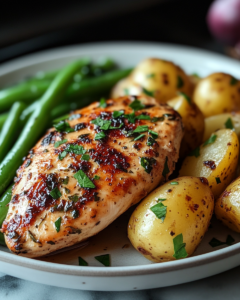
Simple Chicken Breast Dinner Recipes 5 Easy Delicious Meals

Simple Chicken Breast Dinner Recipes 5 Easy Delicious Meals

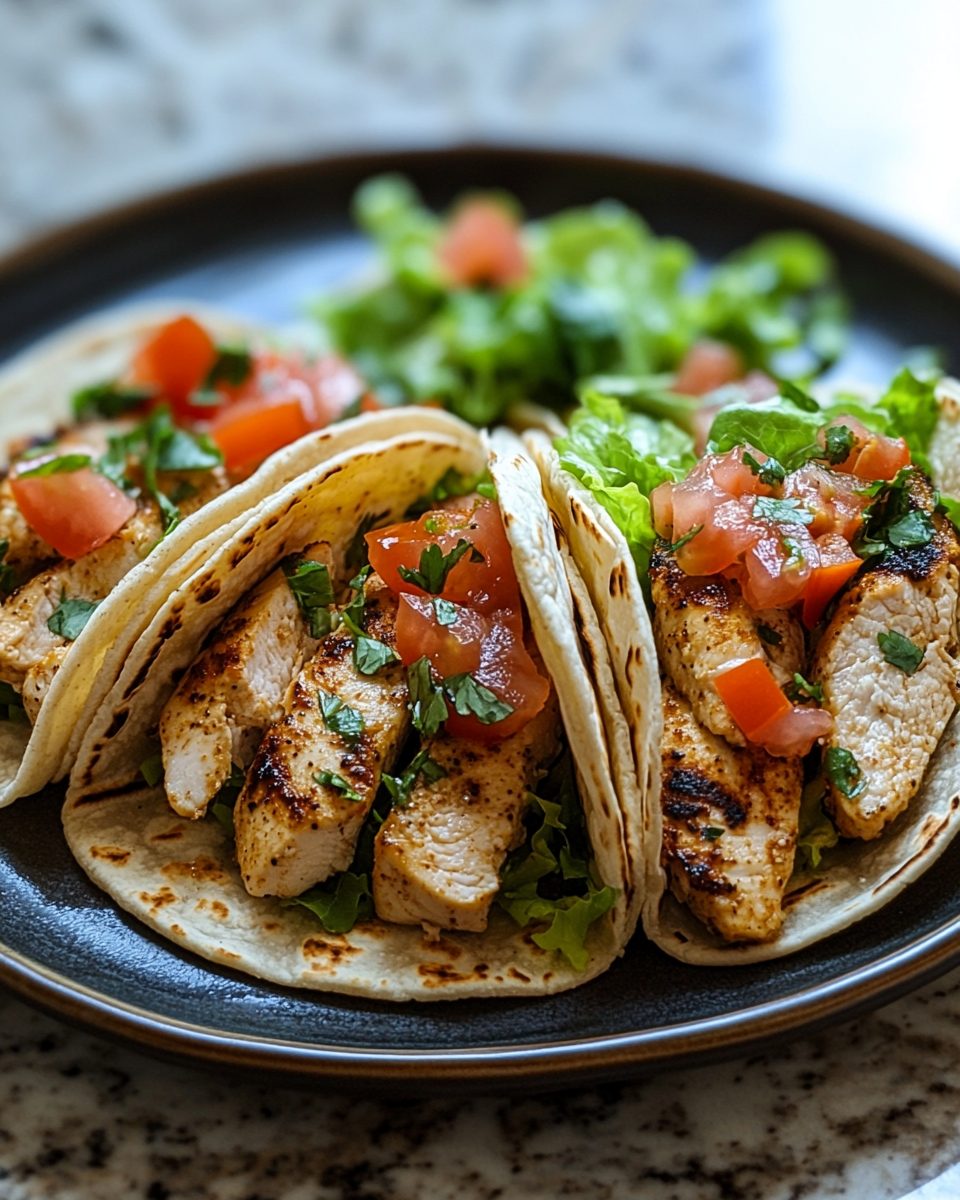
Healthy Chicken Breast Tacos Meal 7 Quick Fresh Delightful

Healthy Chicken Breast Tacos Meal 7 Quick Fresh Delightful

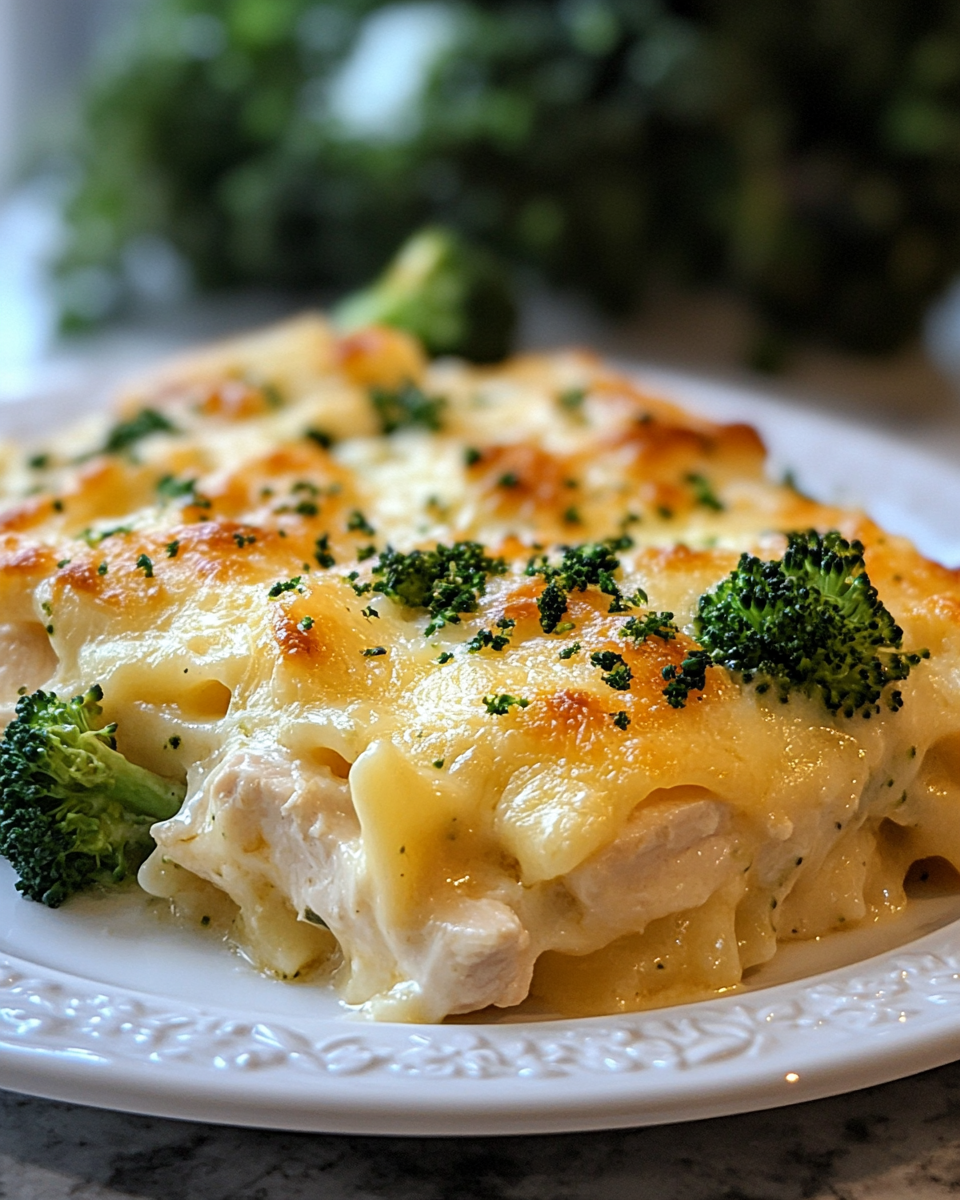
Cheesy Chicken Breast Casserole Recipe 5 Ultimate Surprising

Cheesy Chicken Breast Casserole Recipe 5 Ultimate Surprising

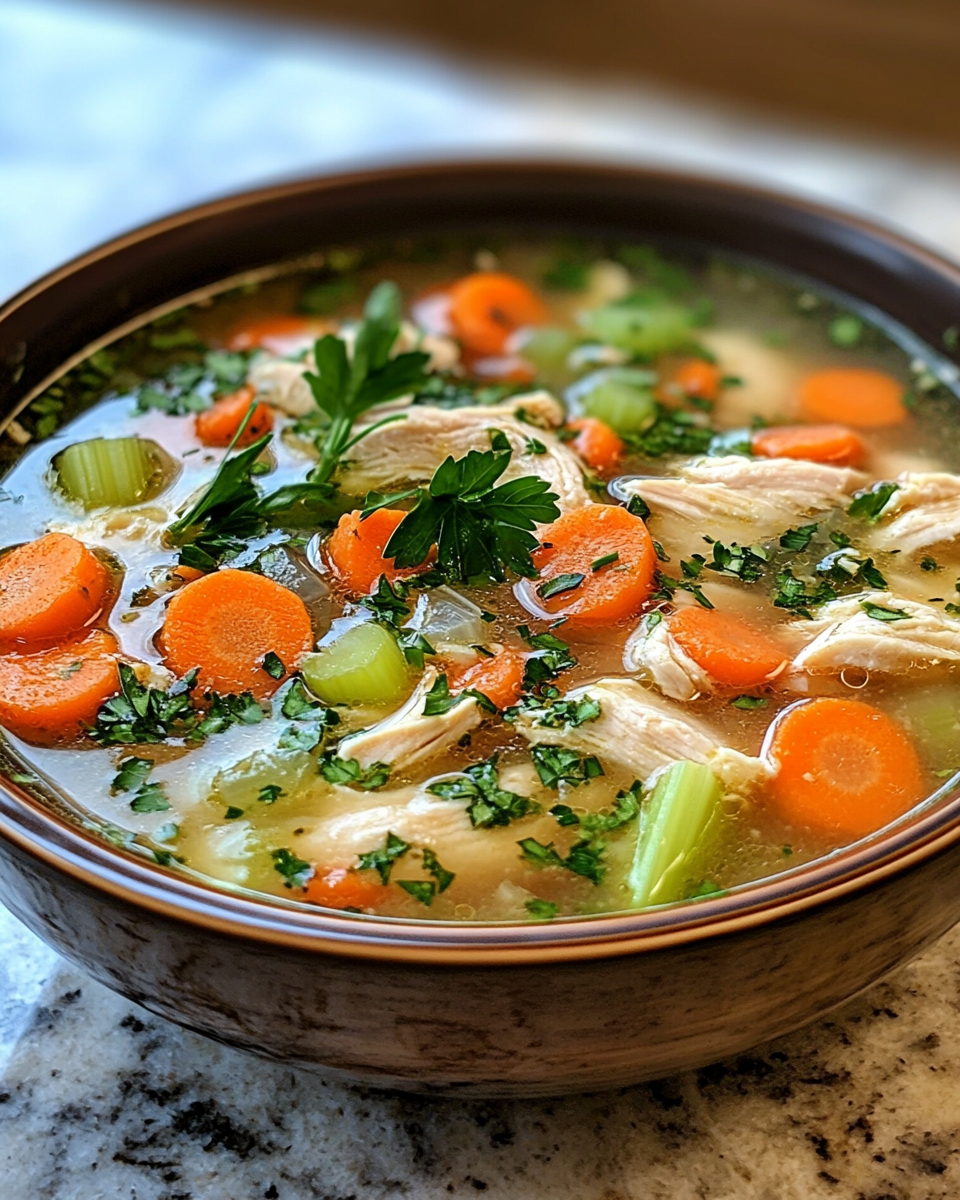
Easy Chicken Breast Soup Recipe 7 Simple Cozy Comforting Bowls

Easy Chicken Breast Soup Recipe 7 Simple Cozy Comforting Bowls

Tags:

You might also like these recipes

Leave a Comment