Chicken Breast Meal Prep (Easy & Healthy) 5 Simple Wins Calm

Posted on

Uncategorized

Difficulty

Prep time

Cooking time

Total time

Servings

Chicken Breast Meal Prep (Easy & Healthy) is a practical weekly food option built around tender lean protein, simple seasoning, and flexible portions that hold up well through several days of storage. It fits neatly into busy routines where consistency in meals matters more than complexity in cooking.

This approach centers on preparing several portions of seasoned chicken breast in advance, paired with versatile sides that can shift between bowls, wraps, or salad plates. The texture stays juicy when handled correctly, and the flavor base adapts to many combinations without requiring extra effort during the week.

The appeal of Chicken Breast Meal Prep (Easy & Healthy) lies in structure and repetition. A single cooking session supports multiple meals, reducing daily kitchen time while still keeping meals balanced and satisfying. The ingredients remain simple, but the final result feels varied when paired with different sides and sauces.


Ingredients Overview
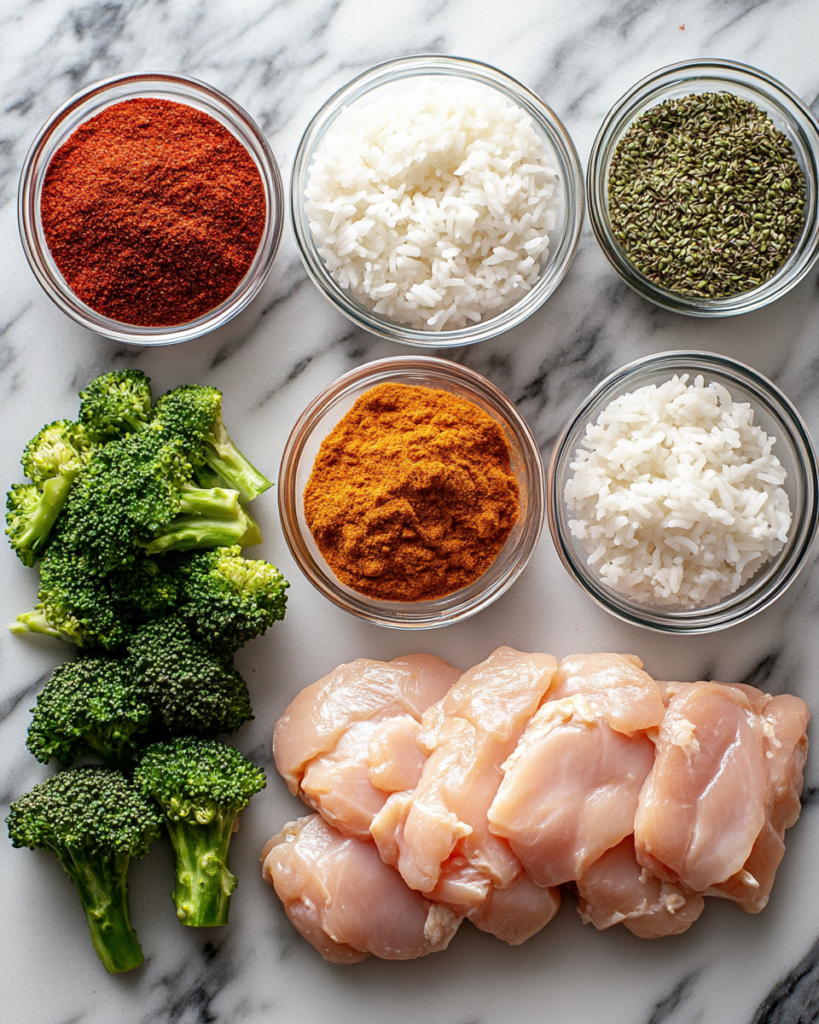
Chicken breast forms the core of this preparation, offering lean protein with a neutral flavor that absorbs seasoning well. When cooked properly, it stays tender rather than dry, especially when paired with light oil and controlled heat. This makes it suitable for batch preparation.

Olive oil plays an important role in locking in moisture and helping seasoning stick evenly across each piece. It also supports browning during cooking, which adds depth to the final taste.

Garlic and onion powder build a savory base without adding moisture that could affect storage quality. Paprika contributes mild warmth and color, giving the chicken an appealing surface tone after cooking.

Salt and black pepper provide balance and highlight natural flavor. These basic seasonings allow the chicken to pair well with many sides such as rice, roasted vegetables, or fresh greens.

Lemon juice adds brightness after cooking, lifting the overall flavor profile without overpowering the dish. It also helps reduce heaviness, especially when eating multiple servings across several days.

Optional herbs like dried oregano or thyme introduce subtle aromatic notes. These herbs hold up well during storage and maintain their character after reheating.

Together, these ingredients create a flexible base that works across multiple meals while maintaining consistent texture and flavor through the week.


Ingredients

2 pounds boneless skinless chicken breasts
2 tablespoons olive oil
1 teaspoon salt
1/2 teaspoon black pepper
1 teaspoon garlic powder
1 teaspoon onion powder
1 teaspoon paprika
1 tablespoon lemon juice
1/2 teaspoon dried oregano (optional)
1/2 teaspoon dried thyme (optional)
2 cups cooked brown rice (for serving)
2 cups steamed broccoli florets (for serving)
1 cup cherry tomatoes, halved (for serving)
1/2 cup plain Greek yogurt (optional sauce)


Step-by-Step Instructions
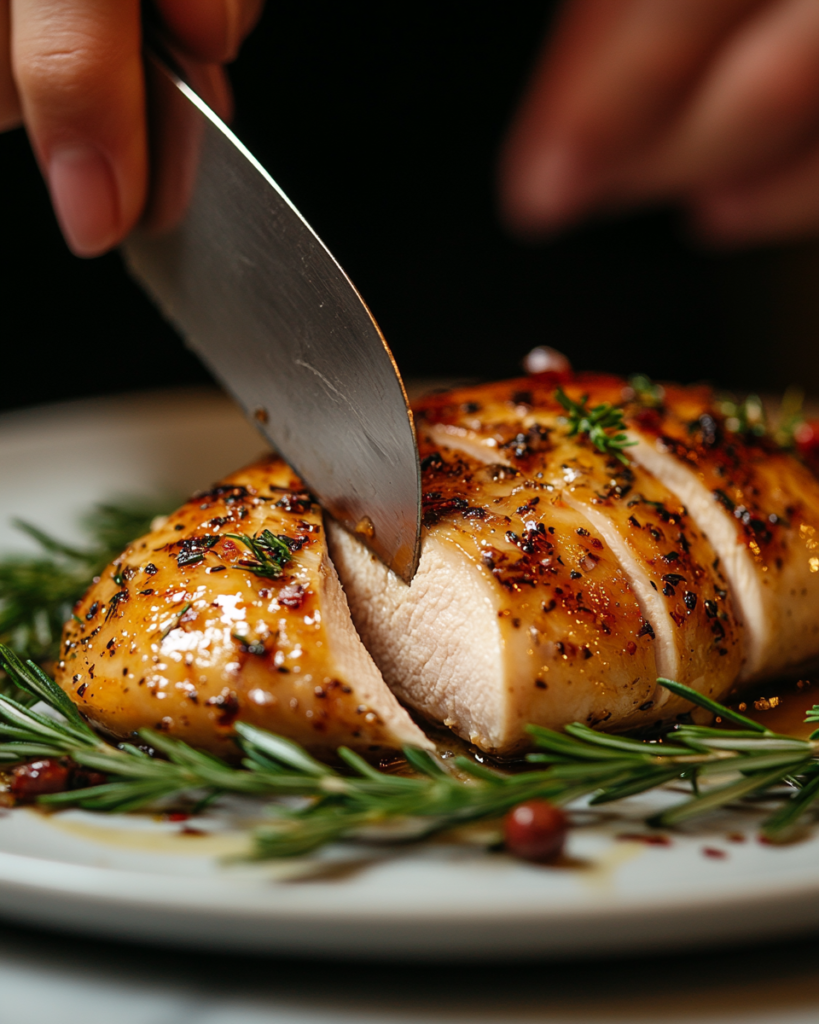
Start by trimming excess fat from the chicken breasts so each piece cooks evenly. If the pieces are uneven in thickness, gently flatten them with light pressure so the surface becomes more uniform. This helps prevent dry edges and undercooked centers.

Place the chicken in a large bowl. Add olive oil, salt, pepper, garlic powder, onion powder, paprika, lemon juice, and optional herbs. Coat each piece thoroughly so the seasoning reaches every surface. Let the chicken rest for a short period so the flavors settle into the meat.

Heat a skillet or grill pan over medium heat. The surface should feel warm enough that a drop of water sizzles lightly. Place the chicken in a single layer without crowding the pan, allowing steady contact with the heat.

Cook each side until a golden surface forms. This usually takes several minutes per side depending on thickness. The internal texture should turn firm yet still spring back slightly when pressed. Avoid cutting too early, as this releases juices and reduces tenderness.

Once cooked through, transfer the chicken to a resting plate. Allowing it to rest helps redistribute internal moisture, keeping each portion juicy when sliced.

Slice the chicken into even strips for meal portions. This step helps with quick assembly during the week and ensures consistent portion sizes.

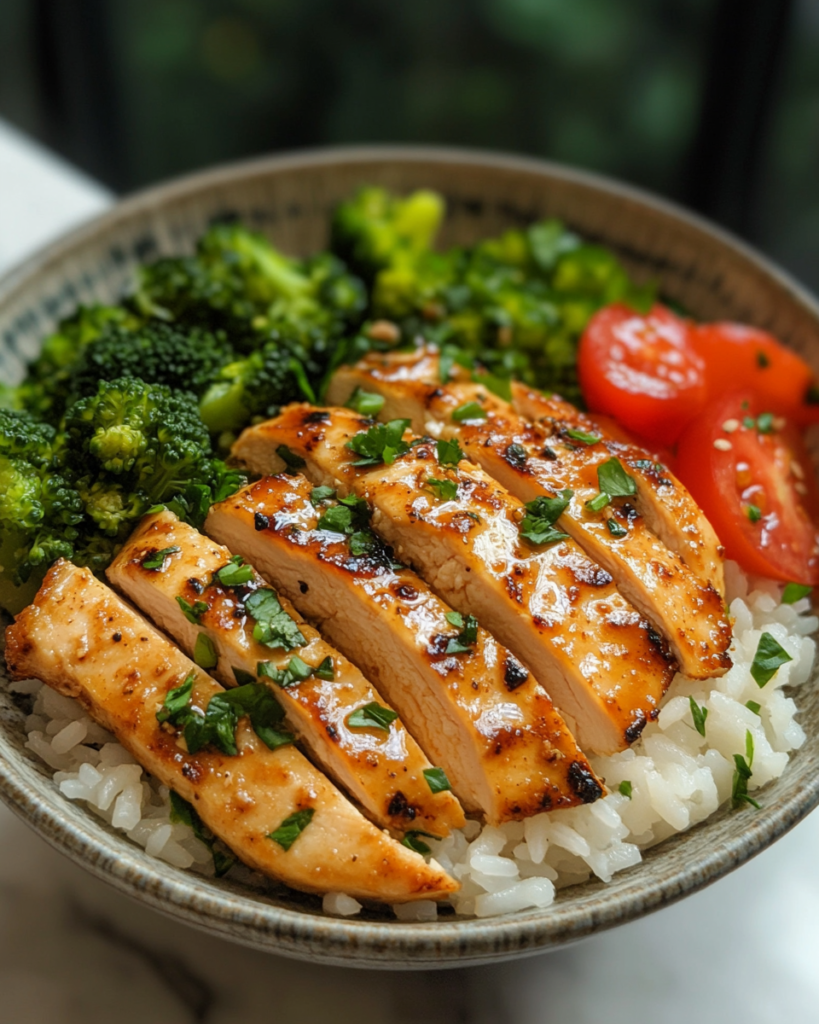
Prepare storage containers by adding a base of cooked brown rice, followed by steamed broccoli and cherry tomatoes. Place sliced chicken on top or beside the sides depending on preference.

Optional Greek yogurt can be mixed with a pinch of salt and lemon juice for a simple creamy topping. This adds a cool contrast when reheating meals.

Store containers in the refrigerator once fully cooled. The chicken maintains texture best when kept sealed and evenly portioned, ready for several days of meals.


Tips, Variations & Substitutions

Chicken breast can be replaced with turkey breast if a slightly different flavor profile is desired while maintaining a similar lean protein structure. Cooking time remains close, though thickness should be monitored carefully.

Spice blends can shift depending on preference. A smoky variation can include extra paprika and a small amount of cumin, while a lighter version may rely on herbs such as parsley and basil.

For moisture retention, marinating the chicken longer before cooking helps deepen flavor penetration. Even a short resting period before heat exposure improves overall texture.

Vegetable pairings can rotate throughout the week. Roasted zucchini, carrots, or bell peppers add color and variety without changing preparation structure.

Grain options may shift from brown rice to quinoa or couscous, depending on desired texture. Each base supports the chicken while changing the overall feel of the meal.


Serving Ideas & Occasions

Chicken Breast Meal Prep (Easy & Healthy) works well for weekday lunches where time is limited and consistency is important. It also fits evening meals when a lighter protein-focused plate is preferred.

It pairs well with simple drinks such as infused water or unsweetened iced tea. The mild seasoning allows side dishes and beverages to vary without clashing flavors.

This preparation also works for structured eating routines, where meals are planned ahead and portioned in advance. It supports a steady rhythm across several days without repeated cooking.


Nutritional & Health Notes

Chicken breast provides a strong source of lean protein, which supports muscle maintenance and steady energy release throughout the day. It contains minimal fat when prepared with controlled oil use.

The inclusion of vegetables adds fiber, vitamins, and minerals that balance the protein-heavy base. This combination supports a more complete meal structure.

Whole grains such as brown rice contribute slow-digesting carbohydrates that help maintain fullness over longer periods. This reduces the need for frequent snacking between meals.

Olive oil introduces healthy fats in controlled amounts, supporting flavor and texture without overwhelming the dish.

Overall, this meal structure maintains balance across protein, carbohydrates, and fats while keeping preparation straightforward and consistent.


FAQs

How long does cooked chicken last in storage?

Cooked chicken stored in sealed containers can remain suitable for several days when kept in refrigeration. The texture holds best when cooled completely before sealing. Keeping portions separated helps maintain freshness and prevents moisture buildup. For best results, consume within a short weekly cycle. Reheating should be done gently to preserve tenderness and avoid drying out the meat.

Can frozen chicken be used for preparation?

Frozen chicken can be used after full thawing in refrigeration. Proper thawing helps maintain even cooking and consistent texture. Cooking directly from frozen is not recommended for batch preparation because it affects seasoning absorption and moisture control. Once thawed, the same seasoning and cooking steps apply without adjustment.

What is the best way to keep chicken moist?

Moisture retention depends on controlled heat and resting time after cooking. Avoid overcooking, as this leads to dryness. Allowing the chicken to rest before slicing helps internal juices redistribute. Light oil coating during seasoning also contributes to a softer final texture.

Can other proteins replace chicken breast?

Yes, turkey breast or lean pork cuts can be used in a similar preparation structure. Cooking times may vary slightly depending on thickness and density. Seasoning blends remain adaptable, allowing similar flavor outcomes across different proteins.

What sides pair well with this meal?

Common pairings include brown rice, quinoa, roasted vegetables, or fresh salads. These sides complement the mild flavor of the chicken while adding texture variety. Each combination can be rotated throughout the week to prevent repetition.

How should leftovers be reheated?

Reheating should be done gently using low heat settings or short microwave intervals. Adding a small amount of water or broth can help restore moisture. Avoid overheating, as it may dry out the chicken and reduce tenderness.

Can seasoning be changed each week?

Seasoning can shift easily to create different flavor profiles. Smoky, herb-based, or citrus-forward blends all work well with chicken breast. Changing seasoning weekly helps maintain variety while keeping the same preparation structure.

[rank_math_breadcrumb]

Chicken Breast Meal Prep (Easy & Healthy) 5 Simple Wins Calm

Photo of author
Author: Elizabeth
Published:
Updated:

Chicken Breast Meal Prep (Easy & Healthy) is a practical weekly food option built around tender lean protein, simple seasoning, and flexible portions that hold up well through several days of storage. It fits neatly into busy routines where consistency in meals matters more than complexity in cooking.

This approach centers on preparing several portions of seasoned chicken breast in advance, paired with versatile sides that can shift between bowls, wraps, or salad plates. The texture stays juicy when handled correctly, and the flavor base adapts to many combinations without requiring extra effort during the week.

The appeal of Chicken Breast Meal Prep (Easy & Healthy) lies in structure and repetition. A single cooking session supports multiple meals, reducing daily kitchen time while still keeping meals balanced and satisfying. The ingredients remain simple, but the final result feels varied when paired with different sides and sauces.


Ingredients Overview

Chicken breast forms the core of this preparation, offering lean protein with a neutral flavor that absorbs seasoning well. When cooked properly, it stays tender rather than dry, especially when paired with light oil and controlled heat. This makes it suitable for batch preparation.

Olive oil plays an important role in locking in moisture and helping seasoning stick evenly across each piece. It also supports browning during cooking, which adds depth to the final taste.

Garlic and onion powder build a savory base without adding moisture that could affect storage quality. Paprika contributes mild warmth and color, giving the chicken an appealing surface tone after cooking.

Salt and black pepper provide balance and highlight natural flavor. These basic seasonings allow the chicken to pair well with many sides such as rice, roasted vegetables, or fresh greens.

Lemon juice adds brightness after cooking, lifting the overall flavor profile without overpowering the dish. It also helps reduce heaviness, especially when eating multiple servings across several days.

Optional herbs like dried oregano or thyme introduce subtle aromatic notes. These herbs hold up well during storage and maintain their character after reheating.

Together, these ingredients create a flexible base that works across multiple meals while maintaining consistent texture and flavor through the week.


Ingredients

2 pounds boneless skinless chicken breasts
2 tablespoons olive oil
1 teaspoon salt
1/2 teaspoon black pepper
1 teaspoon garlic powder
1 teaspoon onion powder
1 teaspoon paprika
1 tablespoon lemon juice
1/2 teaspoon dried oregano (optional)
1/2 teaspoon dried thyme (optional)
2 cups cooked brown rice (for serving)
2 cups steamed broccoli florets (for serving)
1 cup cherry tomatoes, halved (for serving)
1/2 cup plain Greek yogurt (optional sauce)


Step-by-Step Instructions

Start by trimming excess fat from the chicken breasts so each piece cooks evenly. If the pieces are uneven in thickness, gently flatten them with light pressure so the surface becomes more uniform. This helps prevent dry edges and undercooked centers.

Place the chicken in a large bowl. Add olive oil, salt, pepper, garlic powder, onion powder, paprika, lemon juice, and optional herbs. Coat each piece thoroughly so the seasoning reaches every surface. Let the chicken rest for a short period so the flavors settle into the meat.

Heat a skillet or grill pan over medium heat. The surface should feel warm enough that a drop of water sizzles lightly. Place the chicken in a single layer without crowding the pan, allowing steady contact with the heat.

Cook each side until a golden surface forms. This usually takes several minutes per side depending on thickness. The internal texture should turn firm yet still spring back slightly when pressed. Avoid cutting too early, as this releases juices and reduces tenderness.

Once cooked through, transfer the chicken to a resting plate. Allowing it to rest helps redistribute internal moisture, keeping each portion juicy when sliced.

Slice the chicken into even strips for meal portions. This step helps with quick assembly during the week and ensures consistent portion sizes.

Prepare storage containers by adding a base of cooked brown rice, followed by steamed broccoli and cherry tomatoes. Place sliced chicken on top or beside the sides depending on preference.

Optional Greek yogurt can be mixed with a pinch of salt and lemon juice for a simple creamy topping. This adds a cool contrast when reheating meals.

Store containers in the refrigerator once fully cooled. The chicken maintains texture best when kept sealed and evenly portioned, ready for several days of meals.


Tips, Variations & Substitutions

Chicken breast can be replaced with turkey breast if a slightly different flavor profile is desired while maintaining a similar lean protein structure. Cooking time remains close, though thickness should be monitored carefully.

Spice blends can shift depending on preference. A smoky variation can include extra paprika and a small amount of cumin, while a lighter version may rely on herbs such as parsley and basil.

For moisture retention, marinating the chicken longer before cooking helps deepen flavor penetration. Even a short resting period before heat exposure improves overall texture.

Vegetable pairings can rotate throughout the week. Roasted zucchini, carrots, or bell peppers add color and variety without changing preparation structure.

Grain options may shift from brown rice to quinoa or couscous, depending on desired texture. Each base supports the chicken while changing the overall feel of the meal.


Serving Ideas & Occasions

Chicken Breast Meal Prep (Easy & Healthy) works well for weekday lunches where time is limited and consistency is important. It also fits evening meals when a lighter protein-focused plate is preferred.

It pairs well with simple drinks such as infused water or unsweetened iced tea. The mild seasoning allows side dishes and beverages to vary without clashing flavors.

This preparation also works for structured eating routines, where meals are planned ahead and portioned in advance. It supports a steady rhythm across several days without repeated cooking.


Nutritional & Health Notes

Chicken breast provides a strong source of lean protein, which supports muscle maintenance and steady energy release throughout the day. It contains minimal fat when prepared with controlled oil use.

The inclusion of vegetables adds fiber, vitamins, and minerals that balance the protein-heavy base. This combination supports a more complete meal structure.

Whole grains such as brown rice contribute slow-digesting carbohydrates that help maintain fullness over longer periods. This reduces the need for frequent snacking between meals.

Olive oil introduces healthy fats in controlled amounts, supporting flavor and texture without overwhelming the dish.

Overall, this meal structure maintains balance across protein, carbohydrates, and fats while keeping preparation straightforward and consistent.


FAQs

How long does cooked chicken last in storage?

Cooked chicken stored in sealed containers can remain suitable for several days when kept in refrigeration. The texture holds best when cooled completely before sealing. Keeping portions separated helps maintain freshness and prevents moisture buildup. For best results, consume within a short weekly cycle. Reheating should be done gently to preserve tenderness and avoid drying out the meat.

Can frozen chicken be used for preparation?

Frozen chicken can be used after full thawing in refrigeration. Proper thawing helps maintain even cooking and consistent texture. Cooking directly from frozen is not recommended for batch preparation because it affects seasoning absorption and moisture control. Once thawed, the same seasoning and cooking steps apply without adjustment.

What is the best way to keep chicken moist?

Moisture retention depends on controlled heat and resting time after cooking. Avoid overcooking, as this leads to dryness. Allowing the chicken to rest before slicing helps internal juices redistribute. Light oil coating during seasoning also contributes to a softer final texture.

Can other proteins replace chicken breast?

Yes, turkey breast or lean pork cuts can be used in a similar preparation structure. Cooking times may vary slightly depending on thickness and density. Seasoning blends remain adaptable, allowing similar flavor outcomes across different proteins.

What sides pair well with this meal?

Common pairings include brown rice, quinoa, roasted vegetables, or fresh salads. These sides complement the mild flavor of the chicken while adding texture variety. Each combination can be rotated throughout the week to prevent repetition.

How should leftovers be reheated?

Reheating should be done gently using low heat settings or short microwave intervals. Adding a small amount of water or broth can help restore moisture. Avoid overheating, as it may dry out the chicken and reduce tenderness.

Can seasoning be changed each week?

Seasoning can shift easily to create different flavor profiles. Smoky, herb-based, or citrus-forward blends all work well with chicken breast. Changing seasoning weekly helps maintain variety while keeping the same preparation structure.
Name

Lorem ipsum dolor sit amet, consectetur adipiscing elit. Suspendisse varius enim in eros elementum tristique. Duis cursus, mi quis viverra ornare, eros dolor interdum nulla, ut commodo diam libero vitae erat.

You Might Also Like...

Simple Chicken Breast Dinner Recipes 5 Easy Delicious Meals

Simple Chicken Breast Dinner Recipes 5 Easy Delicious Meals

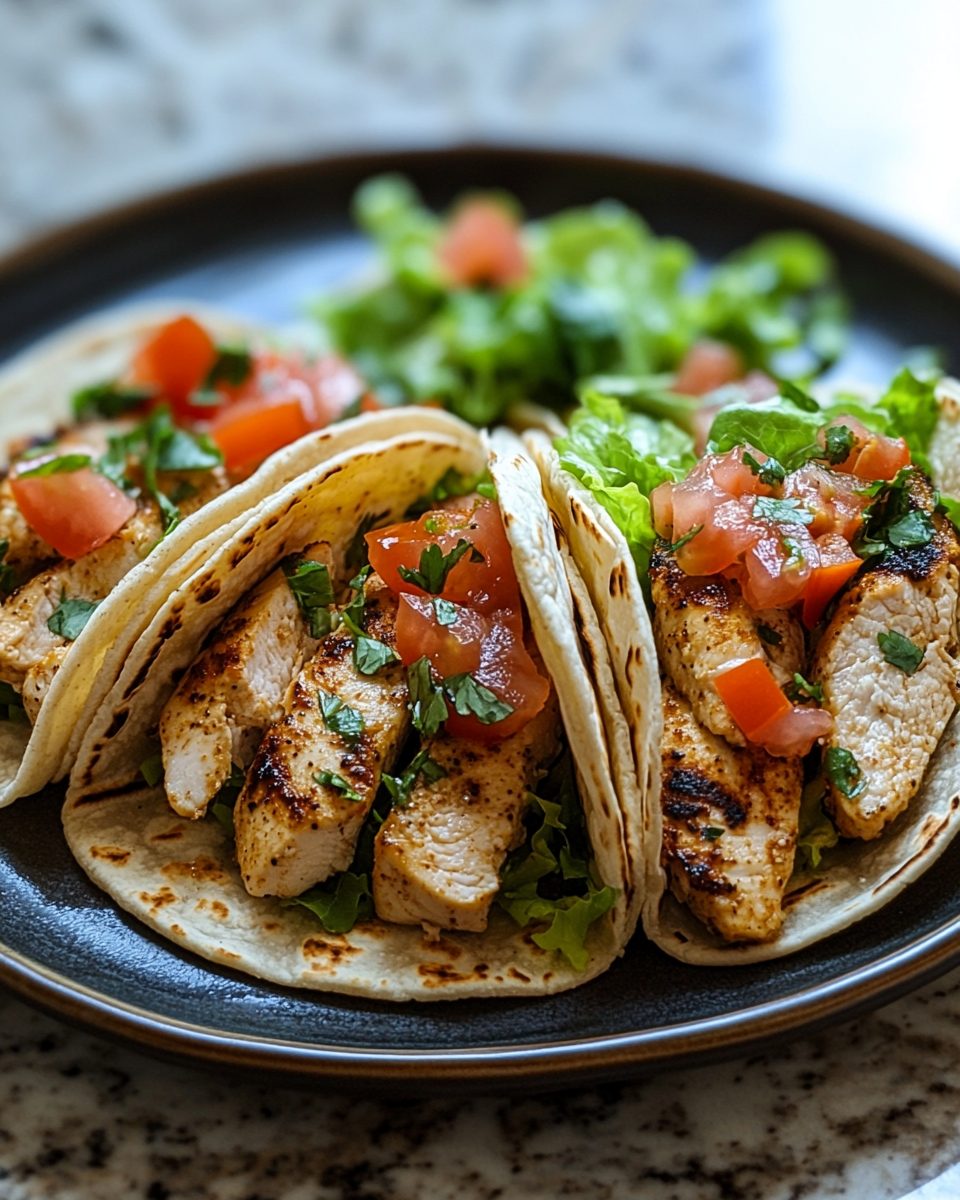
Healthy Chicken Breast Tacos Meal 7 Quick Fresh Delightful

Healthy Chicken Breast Tacos Meal 7 Quick Fresh Delightful

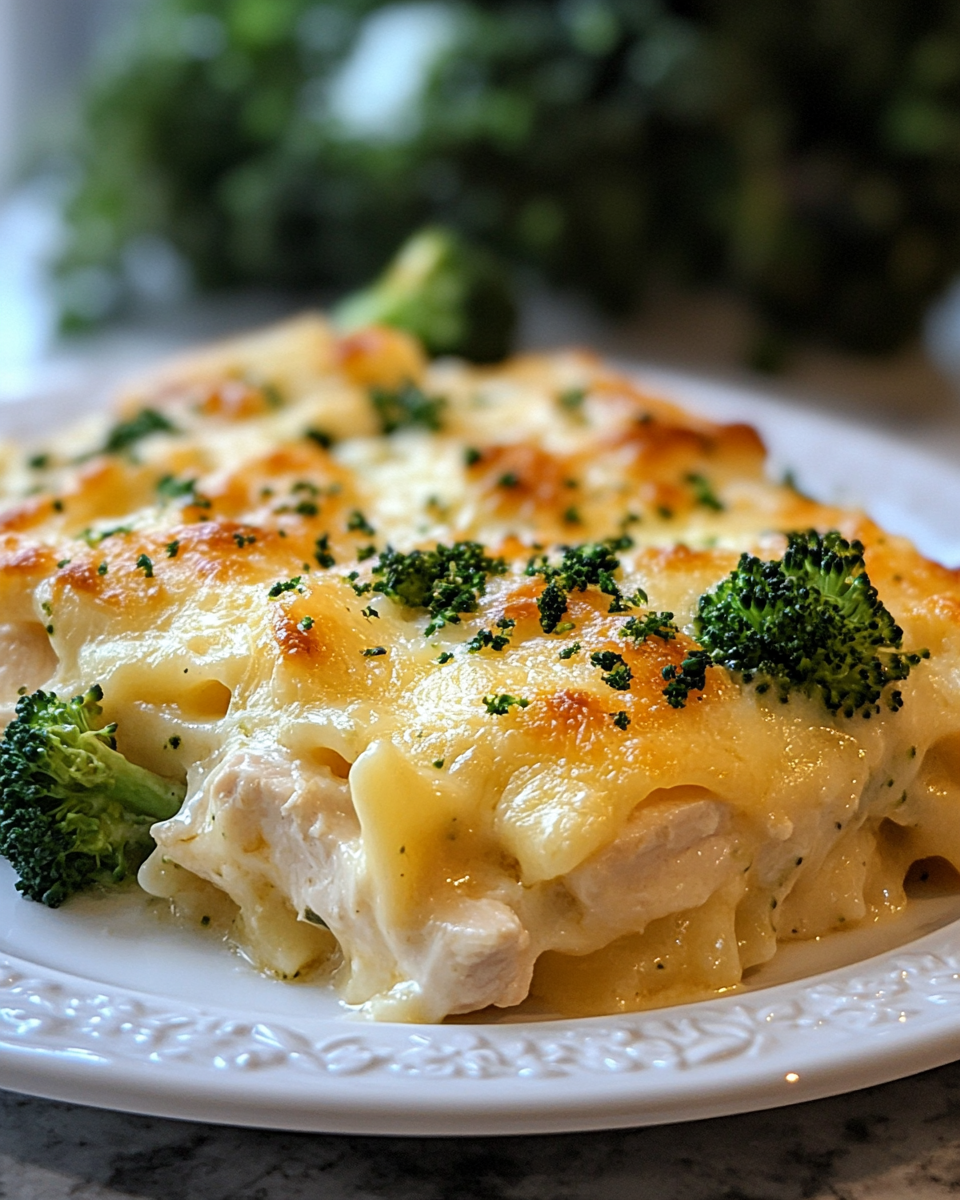
Cheesy Chicken Breast Casserole Recipe 5 Ultimate Surprising

Cheesy Chicken Breast Casserole Recipe 5 Ultimate Surprising

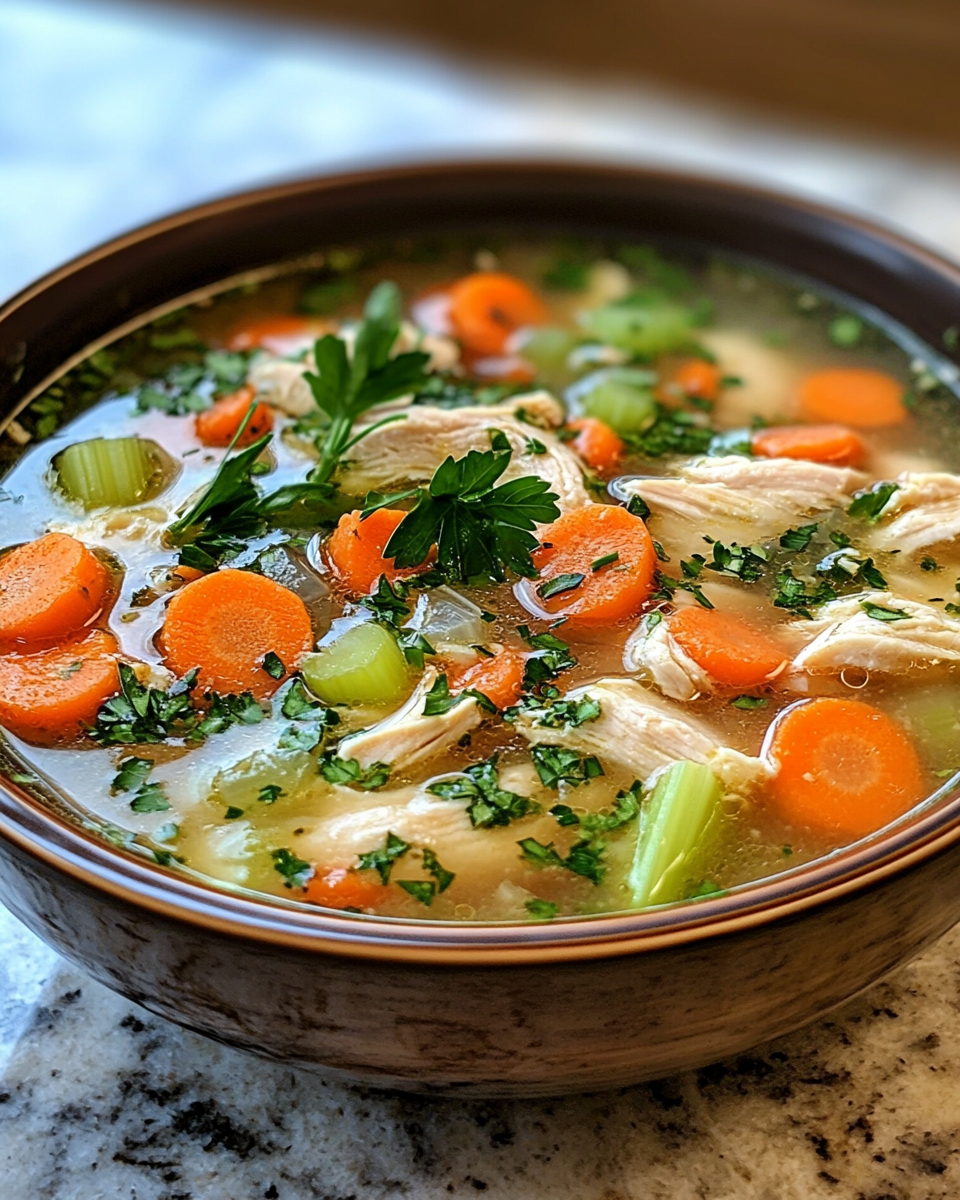
Easy Chicken Breast Soup Recipe 7 Simple Cozy Comforting Bowls

Easy Chicken Breast Soup Recipe 7 Simple Cozy Comforting Bowls

Tags:

You might also like these recipes

Leave a Comment