Easy Honey Garlic Chicken Breast Dinner 7 Simple Cozy

Posted on

Uncategorized

Difficulty

Prep time

Cooking time

Total time

Servings

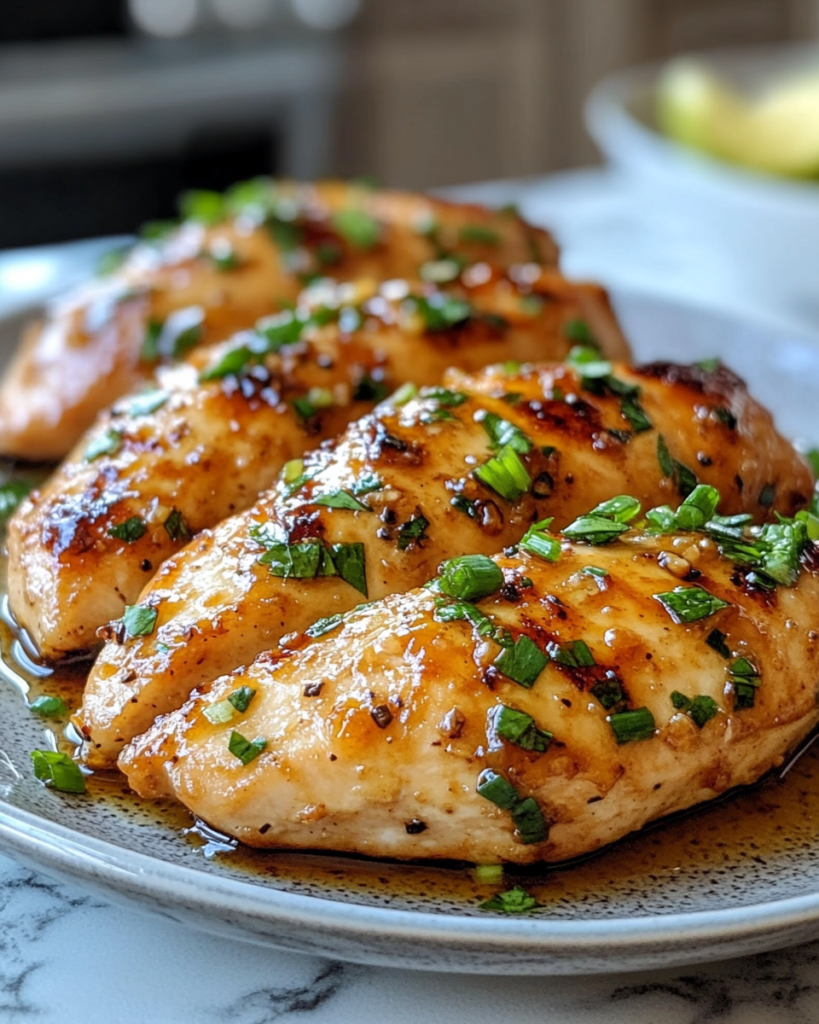
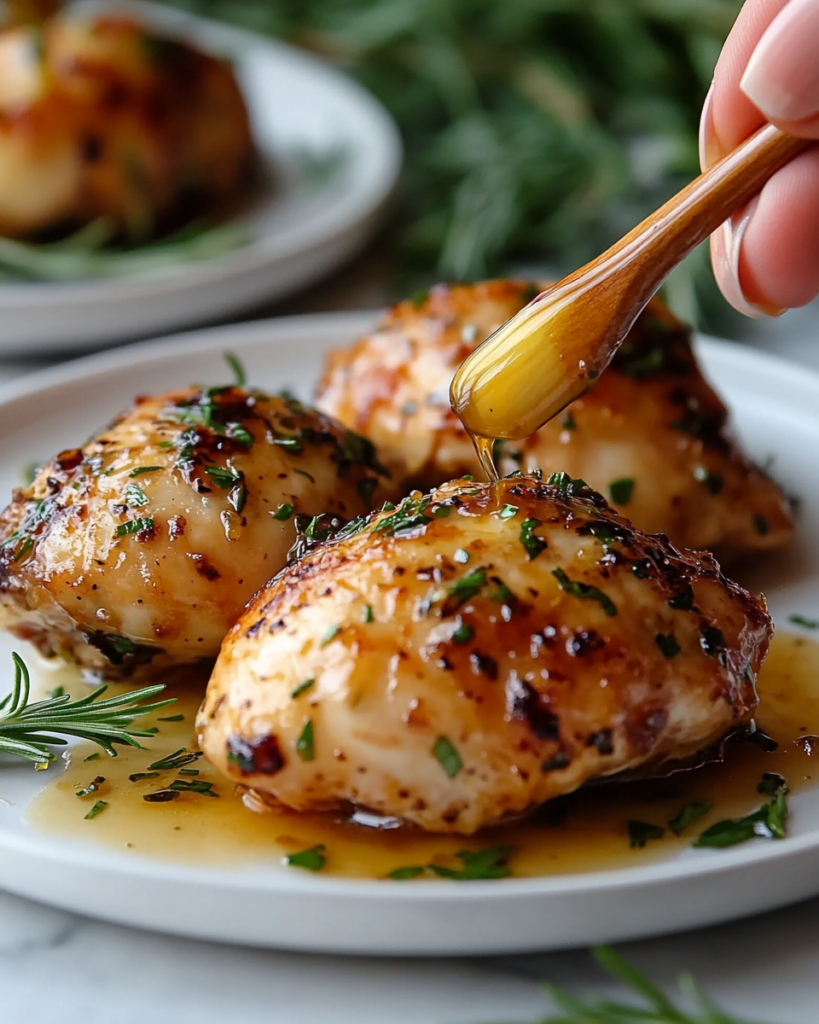
Juicy chicken breast coated with glossy honey garlic glaze creates a comforting dinner with rich aroma and tender texture. This dish brings together caramel-like sweetness and savory depth from garlic, producing a satisfying skillet meal that works well for busy evenings or relaxed home cooking.

The chicken is pan-seared until golden, then coated in a thickened sauce that clings beautifully to every slice. Each bite carries balanced flavor, mild sweetness, and gentle savory notes that pair well with rice, noodles, or vegetables. The preparation stays straightforward, relying on basic cooking steps and pantry staples.

This recipe focuses on approachable techniques and steady heat control. The sauce reduces gently until it reaches a smooth, sticky consistency that coats the chicken evenly. Garlic adds aromatic intensity while honey provides natural sweetness that caramelizes slightly during cooking.

No complex equipment is required, only a skillet and a few common ingredients. The process suits beginners and experienced home cooks seeking a reliable chicken dinner with consistent results.


Ingredients Overview
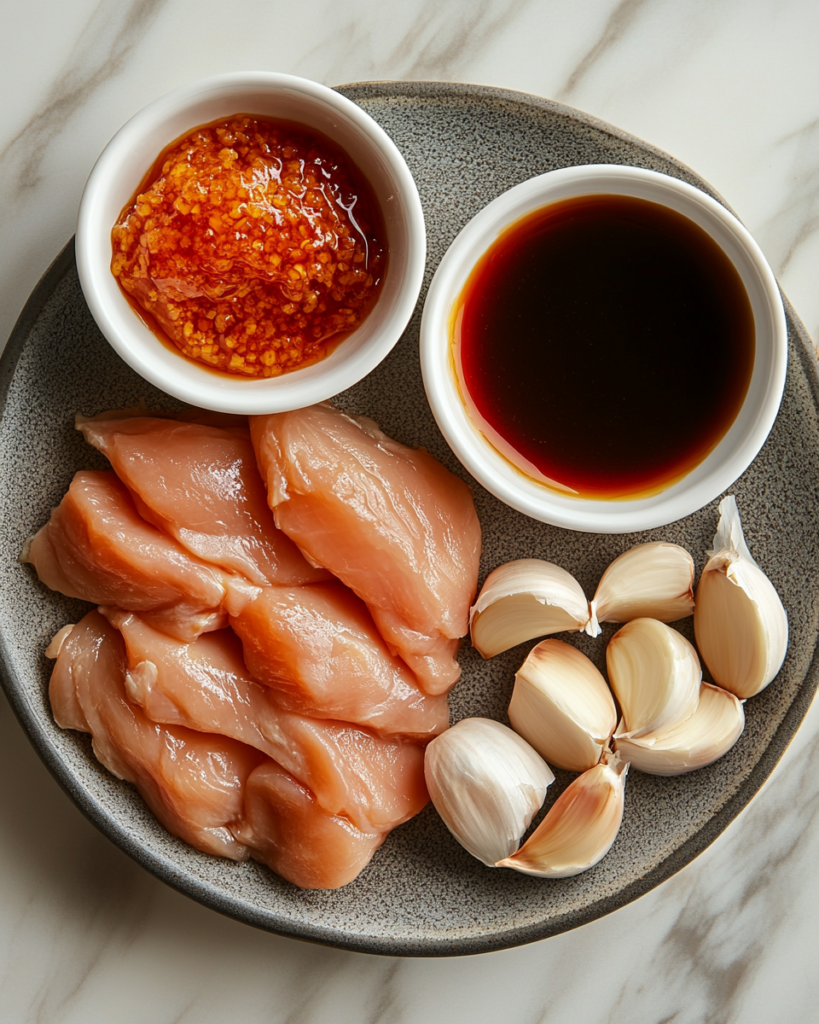
Chicken breast serves as the central protein, offering lean texture and mild flavor that absorbs sauce effectively. Slicing it into even portions allows steady cooking and prevents dryness. A light coating of starch helps create a delicate crust during searing.

Honey provides natural sweetness and contributes to the glossy finish of the sauce. When heated, it thickens slightly and helps the glaze cling to the chicken surface. Garlic introduces strong aromatic depth, balancing sweetness with savory intensity.

Soy sauce adds saltiness and umami richness, creating contrast against the honey. A small amount of vinegar brings gentle acidity, which keeps the sauce from feeling overly heavy. Together, these elements form a balanced glaze with smooth texture.

Olive oil or neutral oil supports searing and prevents sticking. Cornstarch helps thicken the sauce without altering flavor. Optional chili flakes add mild heat for those who prefer a slight kick.

Ingredient flexibility allows adjustments based on preference. Maple syrup can replace honey for a different sweetness profile. Tamari works in place of soy sauce for gluten-free needs. Garlic powder can substitute fresh garlic in limited situations, though fresh cloves provide stronger aroma.

The combination of these ingredients results in a glossy coating that enhances chicken without overpowering its natural flavor.


Ingredients

2 large chicken breasts
1/3 cup honey
3 cloves garlic, finely minced
1/4 cup soy sauce
1 tablespoon apple cider vinegar
2 tablespoons cornstarch
3 tablespoons water
2 tablespoons olive oil
1/2 teaspoon black pepper
1/4 teaspoon salt
1/4 teaspoon chili flakes (optional)
2 green onions, sliced for garnish
Cooked rice for serving (optional)


Step-by-Step Instructions
Begin by slicing chicken breasts horizontally into even cutlets. Pat each piece dry using paper towels. This step helps achieve a light sear during cooking and improves texture.

Season chicken with salt and black pepper. Lightly coat each piece with cornstarch, shaking off excess powder. This thin layer supports browning and assists sauce adherence later.

Place a skillet over medium heat and add olive oil. Allow oil to warm until it spreads easily across the surface. Lay chicken pieces into skillet without overcrowding.

Cook each side until a golden surface forms. This typically takes several minutes per side depending on thickness. Avoid frequent turning so the surface develops proper color. Once cooked through, transfer chicken onto a plate.

Reduce heat slightly before preparing sauce mixture. Add minced garlic into skillet and stir briefly until aromatic. Garlic should soften without burning, which preserves smooth flavor.

Pour soy sauce, honey, and apple cider vinegar into skillet. Stir gently to combine liquids. The mixture will begin to loosen browned bits from skillet surface, adding depth to flavor.

Mix cornstarch with water in a small bowl until smooth. Pour mixture into skillet while stirring continuously. Sauce will gradually thicken into a glossy consistency.

Return cooked chicken into skillet. Coat each piece thoroughly with sauce using gentle movements. Allow chicken to simmer briefly so glaze settles and absorbs into surface.

If using chili flakes, sprinkle lightly during this stage for mild heat. Continue stirring until sauce reaches desired thickness.

Remove skillet from heat once glaze clings evenly to chicken. Sprinkle sliced green onions across top for freshness and color contrast.

Serve immediately with rice or vegetables. The sauce pairs well with neutral sides that absorb extra glaze.

Avoid overheating during final stage, as excessive heat can cause sauce to become overly thick or sticky. Maintain moderate temperature for smooth texture.


Tips, Variations & Substitutions

Thin chicken slices cook more evenly and reduce risk of dryness. Keeping thickness consistent improves texture across all pieces.

For deeper flavor, allow chicken to rest briefly after seasoning before cooking. This helps salt distribute evenly across surface.

Maple syrup can replace honey for a slightly darker sweetness profile. It pairs well with soy sauce and garlic.

Tamari or coconut aminos work well instead of soy sauce for alternative dietary needs. Both maintain savory depth.

Adding grated ginger introduces mild warmth and aromatic complexity. It blends well with garlic without overpowering glaze.

For vegetable additions, bell peppers or broccoli can be cooked alongside sauce. Add them after chicken is removed, allowing them to soften slightly before returning chicken into skillet.

For thicker glaze, extend simmering period slightly while stirring gently. For lighter coating, reduce cornstarch quantity in sauce mixture.


Serving Ideas & Occasions

This chicken dish pairs well with steamed jasmine rice, brown rice, or soft noodles. The glaze naturally coats grains, creating balanced bites with each serving.

Light vegetable sides such as steamed carrots, green beans, or sautéed spinach complement richness of sauce. Crisp salads with citrus dressing also provide refreshing contrast.

This meal suits weeknight dinners, casual gatherings, or simple meal preparation for several portions. It reheats well, maintaining flavor and texture when stored properly.

For presentation, garnish with additional green onions or sesame seeds. Serving directly from skillet adds rustic appeal and keeps glaze warm.


Nutritional & Health Notes

Chicken breast provides lean protein with low fat content, supporting balanced meals. Honey contributes natural sugars, which should be considered within overall dietary intake.

Garlic offers aromatic compounds that enhance flavor without adding significant calories. Soy sauce contributes sodium, so reduced-sodium versions may be used for lighter salt content.

Cornstarch adds minimal carbohydrates while helping create sauce texture. Olive oil supplies moderate healthy fats that assist cooking and flavor development.

This dish fits well into balanced meal plans when paired with vegetables and controlled portions of rice or noodles. Adjusting sweetness or sodium levels allows customization based on dietary preference.


FAQs

Can chicken thighs replace chicken breast?

Chicken thighs can replace breast pieces without altering sauce preparation. Thigh meat contains higher fat content, which results in a richer texture and slightly deeper flavor. Cooking duration may vary due to thickness and fat distribution. Ensure internal doneness reaches safe temperature before serving. Sauce pairs well with either cut, making substitution straightforward for different texture preference.

What thickens honey garlic sauce?

Cornstarch mixed with water is commonly used to thicken sauce. When heated, starch molecules expand and create smooth consistency. Reducing liquid over steady heat also concentrates texture naturally. Honey contributes slight viscosity during cooking. Balancing liquid ratios ensures sauce coats chicken evenly without becoming overly dense or runny.

Can this dish be prepared ahead?

Chicken and sauce can be prepared ahead and stored separately. Reheating together allows glaze to return to smooth consistency. Gentle heat is preferred to maintain texture. Storing in airtight container helps preserve flavor quality for short periods. Adding fresh garnish before serving improves presentation and freshness.

What side dishes pair well?

Rice varieties such as jasmine or basmati complement glaze effectively. Steamed vegetables provide contrast in texture and color. Noodles also absorb sauce well, creating balanced bites. Light salads offer freshness alongside rich chicken coating. Combination of soft and crisp sides creates satisfying meal structure.

Can garlic powder be used instead of fresh garlic?

Garlic powder can replace fresh cloves when needed. Flavor will be milder and less aromatic compared to minced garlic. Adjust quantity carefully to avoid overpowering dish. Fresh garlic remains preferred for deeper savory profile and fragrance during cooking.

How can sauce be made less sweet?

Reducing honey quantity lowers sweetness level while maintaining glaze structure. Adding small extra amount of soy sauce or vinegar increases savory balance. Chili flakes can introduce mild heat that shifts flavor profile. Adjustments should be gradual to maintain harmony.

What prevents chicken from drying out?

Even slicing ensures consistent cooking. Moderate heat during searing helps retain moisture. Avoid overcooking during final glaze stage. Allowing chicken to rest briefly after cooking helps redistribute juices. Cornstarch coating also assists in retaining surface moisture during searing.

[rank_math_breadcrumb]

Easy Honey Garlic Chicken Breast Dinner 7 Simple Cozy

Photo of author
Author: Elizabeth
Published:

Juicy chicken breast coated with glossy honey garlic glaze creates a comforting dinner with rich aroma and tender texture. This dish brings together caramel-like sweetness and savory depth from garlic, producing a satisfying skillet meal that works well for busy evenings or relaxed home cooking.

The chicken is pan-seared until golden, then coated in a thickened sauce that clings beautifully to every slice. Each bite carries balanced flavor, mild sweetness, and gentle savory notes that pair well with rice, noodles, or vegetables. The preparation stays straightforward, relying on basic cooking steps and pantry staples.

This recipe focuses on approachable techniques and steady heat control. The sauce reduces gently until it reaches a smooth, sticky consistency that coats the chicken evenly. Garlic adds aromatic intensity while honey provides natural sweetness that caramelizes slightly during cooking.

No complex equipment is required, only a skillet and a few common ingredients. The process suits beginners and experienced home cooks seeking a reliable chicken dinner with consistent results.


Ingredients Overview

Chicken breast serves as the central protein, offering lean texture and mild flavor that absorbs sauce effectively. Slicing it into even portions allows steady cooking and prevents dryness. A light coating of starch helps create a delicate crust during searing.

Honey provides natural sweetness and contributes to the glossy finish of the sauce. When heated, it thickens slightly and helps the glaze cling to the chicken surface. Garlic introduces strong aromatic depth, balancing sweetness with savory intensity.

Soy sauce adds saltiness and umami richness, creating contrast against the honey. A small amount of vinegar brings gentle acidity, which keeps the sauce from feeling overly heavy. Together, these elements form a balanced glaze with smooth texture.

Olive oil or neutral oil supports searing and prevents sticking. Cornstarch helps thicken the sauce without altering flavor. Optional chili flakes add mild heat for those who prefer a slight kick.

Ingredient flexibility allows adjustments based on preference. Maple syrup can replace honey for a different sweetness profile. Tamari works in place of soy sauce for gluten-free needs. Garlic powder can substitute fresh garlic in limited situations, though fresh cloves provide stronger aroma.

The combination of these ingredients results in a glossy coating that enhances chicken without overpowering its natural flavor.


Ingredients

2 large chicken breasts
1/3 cup honey
3 cloves garlic, finely minced
1/4 cup soy sauce
1 tablespoon apple cider vinegar
2 tablespoons cornstarch
3 tablespoons water
2 tablespoons olive oil
1/2 teaspoon black pepper
1/4 teaspoon salt
1/4 teaspoon chili flakes (optional)
2 green onions, sliced for garnish
Cooked rice for serving (optional)


Step-by-Step Instructions

Begin by slicing chicken breasts horizontally into even cutlets. Pat each piece dry using paper towels. This step helps achieve a light sear during cooking and improves texture.

Season chicken with salt and black pepper. Lightly coat each piece with cornstarch, shaking off excess powder. This thin layer supports browning and assists sauce adherence later.

Place a skillet over medium heat and add olive oil. Allow oil to warm until it spreads easily across the surface. Lay chicken pieces into skillet without overcrowding.

Cook each side until a golden surface forms. This typically takes several minutes per side depending on thickness. Avoid frequent turning so the surface develops proper color. Once cooked through, transfer chicken onto a plate.

Reduce heat slightly before preparing sauce mixture. Add minced garlic into skillet and stir briefly until aromatic. Garlic should soften without burning, which preserves smooth flavor.

Pour soy sauce, honey, and apple cider vinegar into skillet. Stir gently to combine liquids. The mixture will begin to loosen browned bits from skillet surface, adding depth to flavor.

Mix cornstarch with water in a small bowl until smooth. Pour mixture into skillet while stirring continuously. Sauce will gradually thicken into a glossy consistency.

Return cooked chicken into skillet. Coat each piece thoroughly with sauce using gentle movements. Allow chicken to simmer briefly so glaze settles and absorbs into surface.

If using chili flakes, sprinkle lightly during this stage for mild heat. Continue stirring until sauce reaches desired thickness.

Remove skillet from heat once glaze clings evenly to chicken. Sprinkle sliced green onions across top for freshness and color contrast.

Serve immediately with rice or vegetables. The sauce pairs well with neutral sides that absorb extra glaze.

Avoid overheating during final stage, as excessive heat can cause sauce to become overly thick or sticky. Maintain moderate temperature for smooth texture.


Tips, Variations & Substitutions

Thin chicken slices cook more evenly and reduce risk of dryness. Keeping thickness consistent improves texture across all pieces.

For deeper flavor, allow chicken to rest briefly after seasoning before cooking. This helps salt distribute evenly across surface.

Maple syrup can replace honey for a slightly darker sweetness profile. It pairs well with soy sauce and garlic.

Tamari or coconut aminos work well instead of soy sauce for alternative dietary needs. Both maintain savory depth.

Adding grated ginger introduces mild warmth and aromatic complexity. It blends well with garlic without overpowering glaze.

For vegetable additions, bell peppers or broccoli can be cooked alongside sauce. Add them after chicken is removed, allowing them to soften slightly before returning chicken into skillet.

For thicker glaze, extend simmering period slightly while stirring gently. For lighter coating, reduce cornstarch quantity in sauce mixture.


Serving Ideas & Occasions

This chicken dish pairs well with steamed jasmine rice, brown rice, or soft noodles. The glaze naturally coats grains, creating balanced bites with each serving.

Light vegetable sides such as steamed carrots, green beans, or sautéed spinach complement richness of sauce. Crisp salads with citrus dressing also provide refreshing contrast.

This meal suits weeknight dinners, casual gatherings, or simple meal preparation for several portions. It reheats well, maintaining flavor and texture when stored properly.

For presentation, garnish with additional green onions or sesame seeds. Serving directly from skillet adds rustic appeal and keeps glaze warm.


Nutritional & Health Notes

Chicken breast provides lean protein with low fat content, supporting balanced meals. Honey contributes natural sugars, which should be considered within overall dietary intake.

Garlic offers aromatic compounds that enhance flavor without adding significant calories. Soy sauce contributes sodium, so reduced-sodium versions may be used for lighter salt content.

Cornstarch adds minimal carbohydrates while helping create sauce texture. Olive oil supplies moderate healthy fats that assist cooking and flavor development.

This dish fits well into balanced meal plans when paired with vegetables and controlled portions of rice or noodles. Adjusting sweetness or sodium levels allows customization based on dietary preference.


FAQs

Can chicken thighs replace chicken breast?

Chicken thighs can replace breast pieces without altering sauce preparation. Thigh meat contains higher fat content, which results in a richer texture and slightly deeper flavor. Cooking duration may vary due to thickness and fat distribution. Ensure internal doneness reaches safe temperature before serving. Sauce pairs well with either cut, making substitution straightforward for different texture preference.

What thickens honey garlic sauce?

Cornstarch mixed with water is commonly used to thicken sauce. When heated, starch molecules expand and create smooth consistency. Reducing liquid over steady heat also concentrates texture naturally. Honey contributes slight viscosity during cooking. Balancing liquid ratios ensures sauce coats chicken evenly without becoming overly dense or runny.

Can this dish be prepared ahead?

Chicken and sauce can be prepared ahead and stored separately. Reheating together allows glaze to return to smooth consistency. Gentle heat is preferred to maintain texture. Storing in airtight container helps preserve flavor quality for short periods. Adding fresh garnish before serving improves presentation and freshness.

What side dishes pair well?

Rice varieties such as jasmine or basmati complement glaze effectively. Steamed vegetables provide contrast in texture and color. Noodles also absorb sauce well, creating balanced bites. Light salads offer freshness alongside rich chicken coating. Combination of soft and crisp sides creates satisfying meal structure.

Can garlic powder be used instead of fresh garlic?

Garlic powder can replace fresh cloves when needed. Flavor will be milder and less aromatic compared to minced garlic. Adjust quantity carefully to avoid overpowering dish. Fresh garlic remains preferred for deeper savory profile and fragrance during cooking.

How can sauce be made less sweet?

Reducing honey quantity lowers sweetness level while maintaining glaze structure. Adding small extra amount of soy sauce or vinegar increases savory balance. Chili flakes can introduce mild heat that shifts flavor profile. Adjustments should be gradual to maintain harmony.

What prevents chicken from drying out?

Even slicing ensures consistent cooking. Moderate heat during searing helps retain moisture. Avoid overcooking during final glaze stage. Allowing chicken to rest briefly after cooking helps redistribute juices. Cornstarch coating also assists in retaining surface moisture during searing.
Name

Lorem ipsum dolor sit amet, consectetur adipiscing elit. Suspendisse varius enim in eros elementum tristique. Duis cursus, mi quis viverra ornare, eros dolor interdum nulla, ut commodo diam libero vitae erat.

You Might Also Like...

Simple Chicken Breast Dinner Recipes 5 Easy Delicious Meals

Simple Chicken Breast Dinner Recipes 5 Easy Delicious Meals

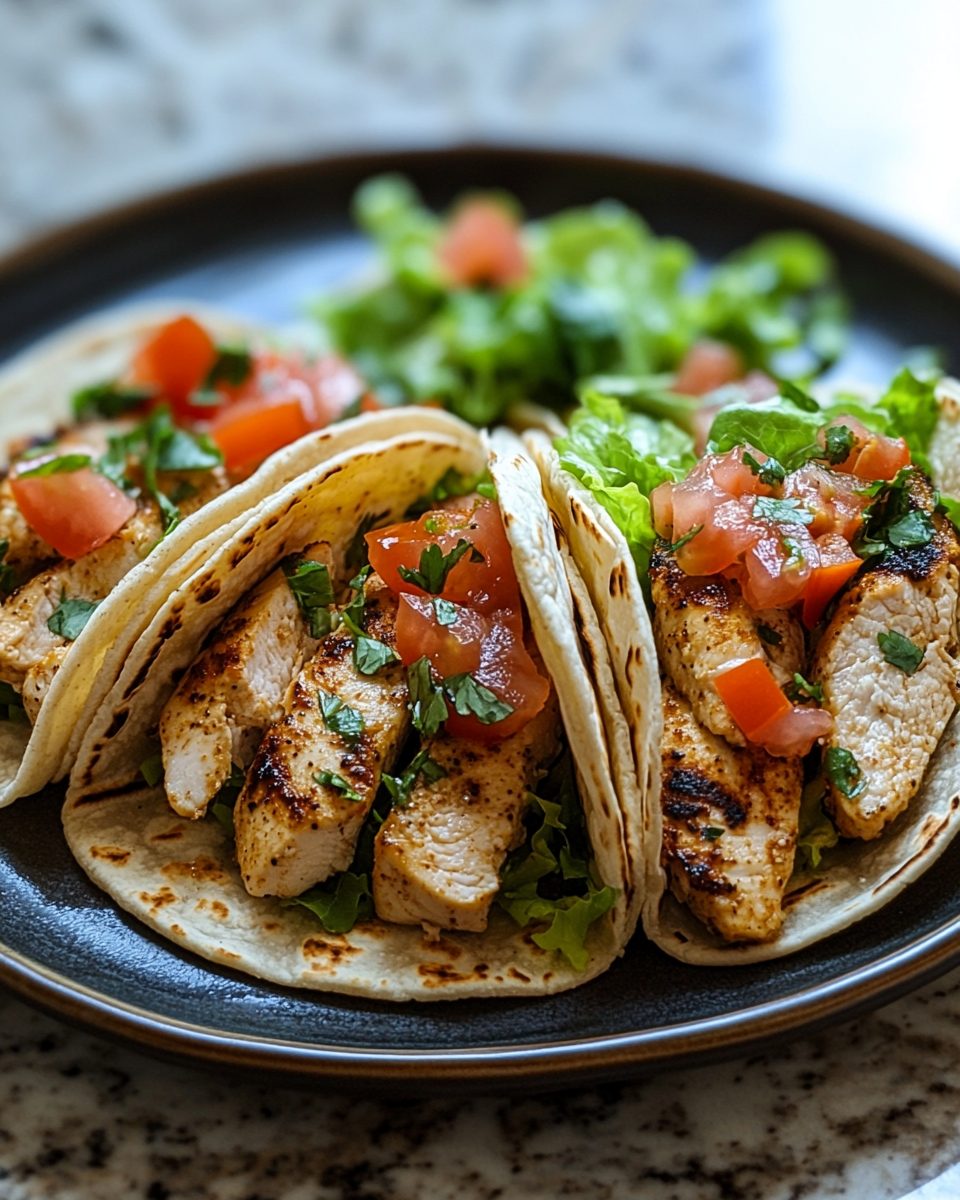
Healthy Chicken Breast Tacos Meal 7 Quick Fresh Delightful

Healthy Chicken Breast Tacos Meal 7 Quick Fresh Delightful

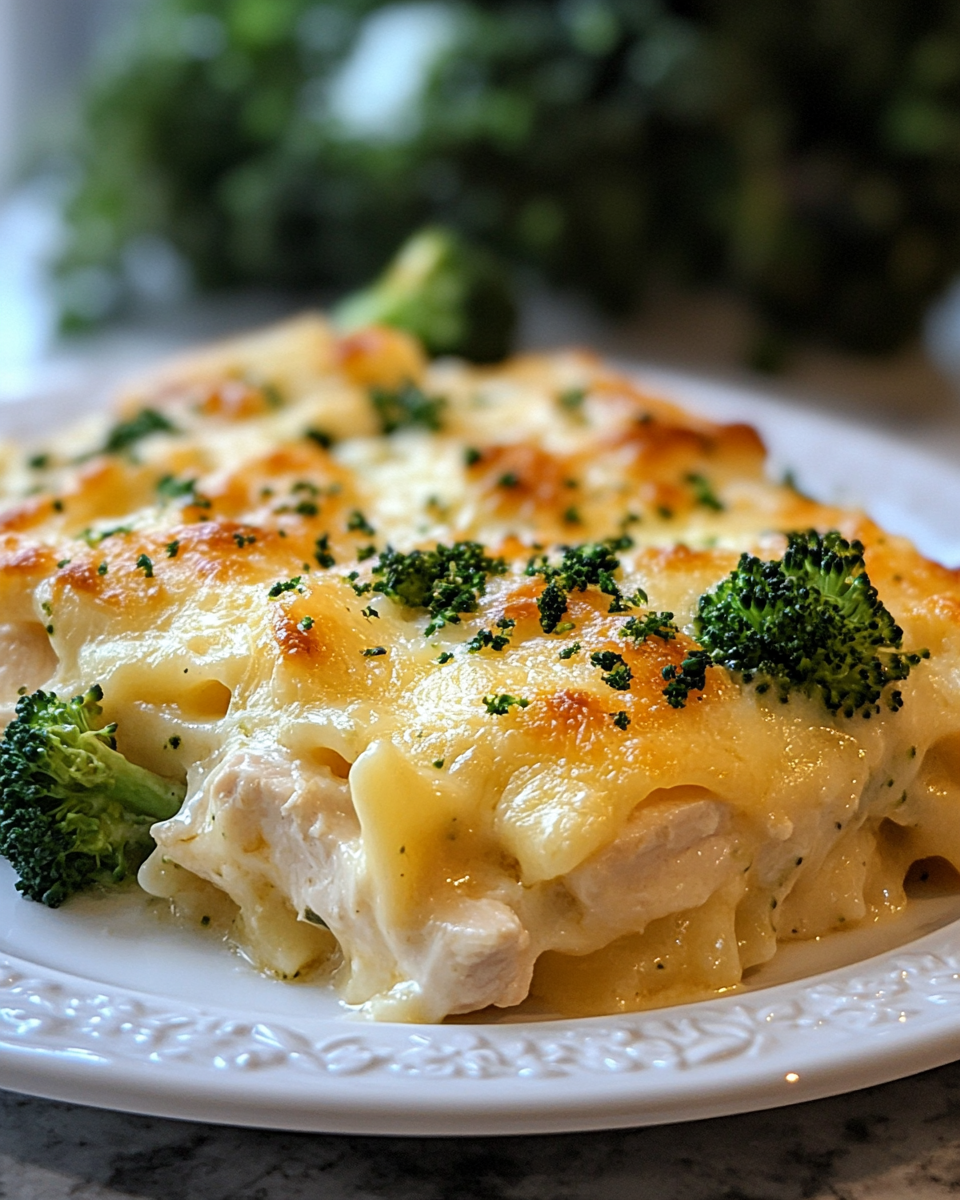
Cheesy Chicken Breast Casserole Recipe 5 Ultimate Surprising

Cheesy Chicken Breast Casserole Recipe 5 Ultimate Surprising

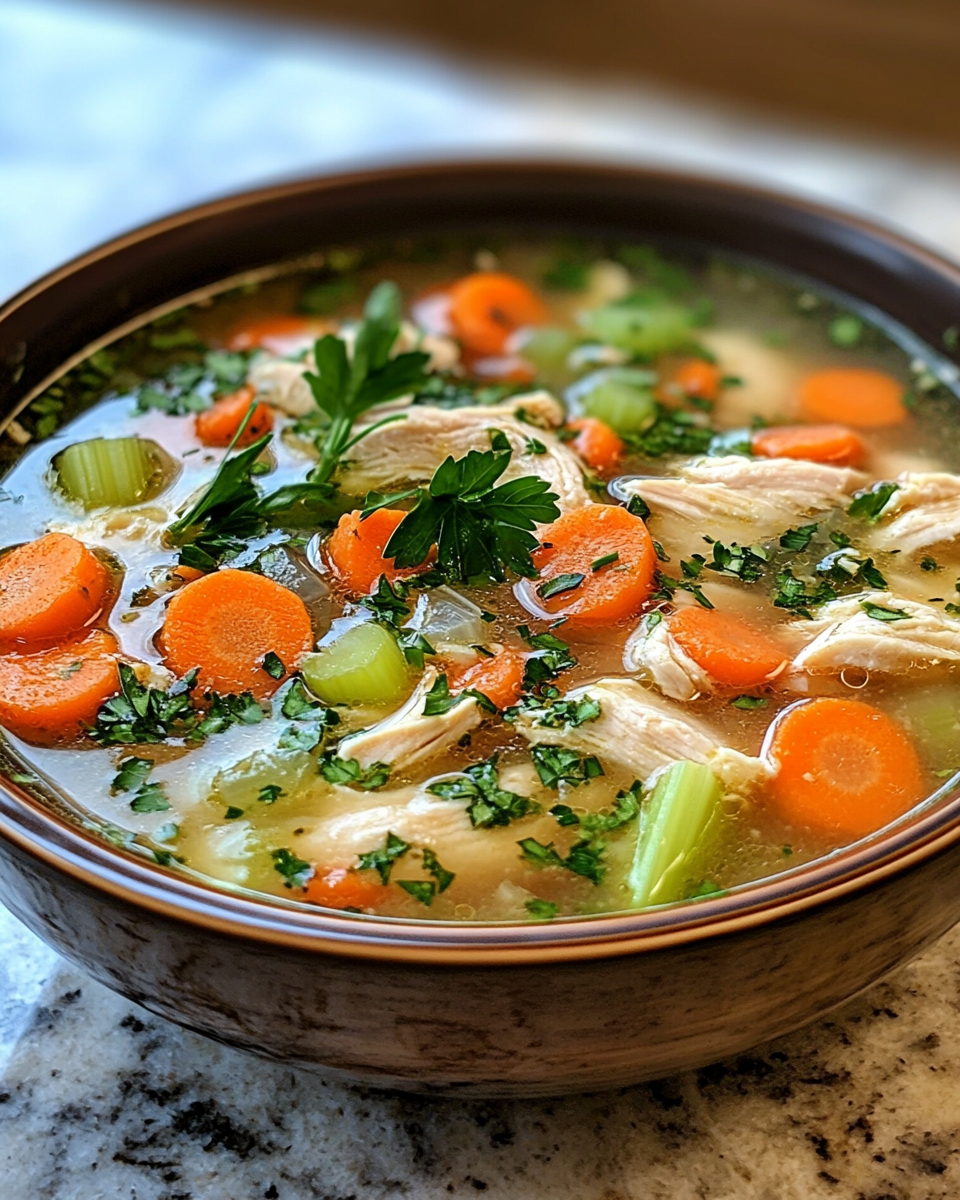
Easy Chicken Breast Soup Recipe 7 Simple Cozy Comforting Bowls

Easy Chicken Breast Soup Recipe 7 Simple Cozy Comforting Bowls

Tags:

You might also like these recipes

Leave a Comment