Grilled Chicken Breast (Juicy & Smoky) 7 Simple Smoky Perfection

Posted on

Uncategorized

Difficulty

Prep time

Cooking time

Total time

Servings

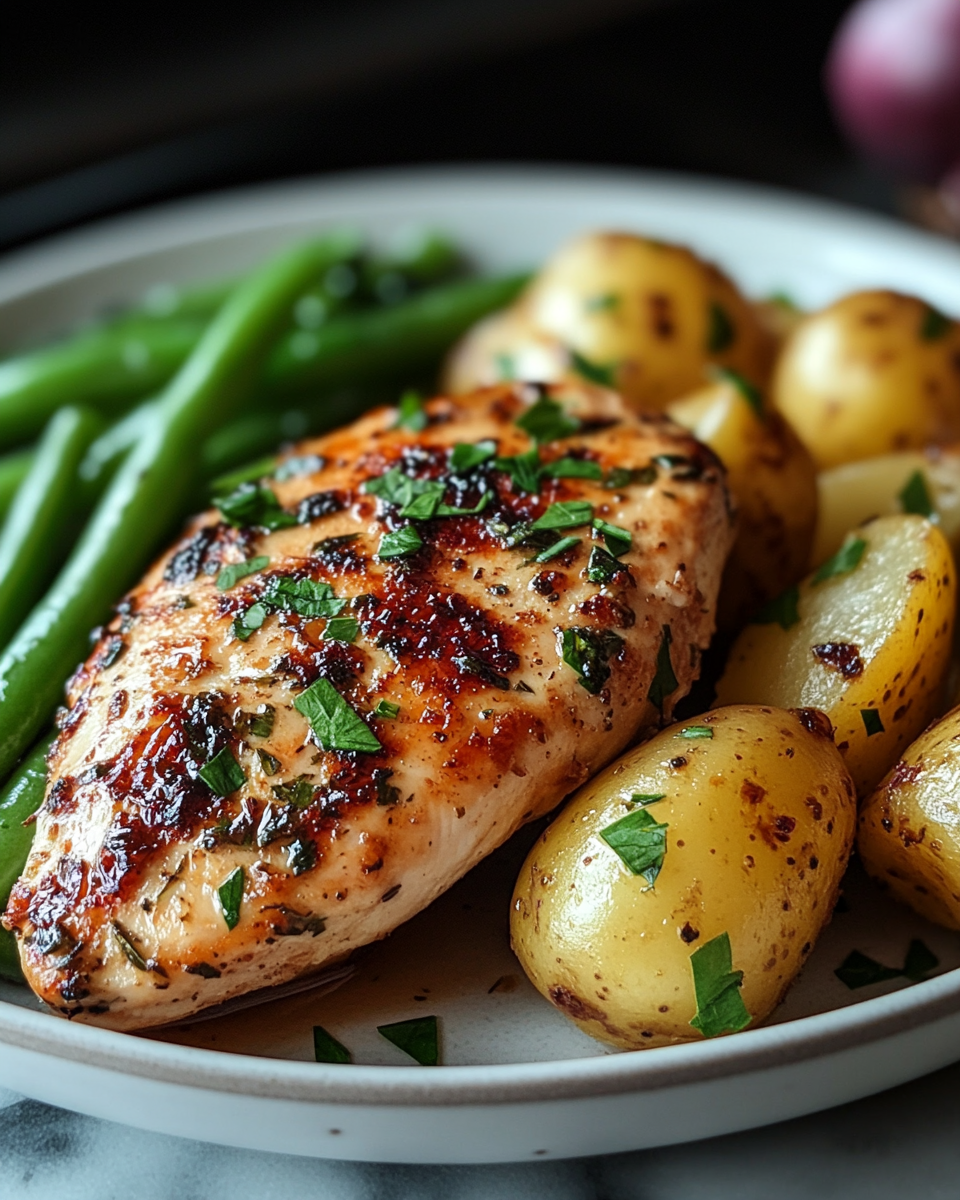
A grilled chicken breast carries deep aroma, firm texture, and charred edges that carry a gentle smoky character. This preparation focuses on balanced seasoning, controlled heat, and careful timing over flame to develop tender slices with rich surface color. Each bite delivers contrast between crisp exterior and moist interior, achieved through steady grill management and a resting period after heat exposure.

The method centers on straightforward kitchen steps and widely available ingredients. A marinade base supports tenderness while layering garlic, paprika, and citrus notes that settle into the meat during resting time. The grill stage introduces caramelization, while indirect heat protects the interior from drying. This combination produces consistent results suited for weekday meals or outdoor cooking sessions.

Grilled chicken breast often appears in meal bowls, salads, wraps, or served alongside roasted vegetables. Its neutral base accepts a wide range of seasoning profiles, from herb-forward blends to spice-heavy rubs. This version leans toward a smoky profile supported by paprika and controlled grill heat, producing balanced depth without heaviness.


Ingredients Overview
Chicken breast serves as the central protein, valued for its lean structure and mild flavor. Its low fat content requires careful handling during grilling to prevent dryness. Even thickness allows steady heat penetration, so slight flattening supports uniform cooking across the surface.

Olive oil coats the meat and assists in moisture retention while also carrying spices across the surface. Acidic elements such as lemon juice soften muscle fibers and contribute light brightness that balances the smoky notes from grilling.

Garlic provides sharp aromatic depth, blending into the marinade and infusing the meat during resting time. Paprika contributes color and subtle smoke character without overwhelming the palate. Salt supports flavor distribution throughout the chicken, while black pepper adds gentle heat.

Optional additions such as dried oregano or thyme introduce herbal notes that complement the grill aroma. A touch of honey or brown sugar may be included for mild caramelization on the surface, though this remains optional depending on desired flavor direction.

Each ingredient plays a defined role, contributing either moisture control, seasoning depth, or surface browning. The balance between fat, acid, and spice determines final texture and taste.


Ingredients

2 large chicken breasts
2 tablespoons olive oil
1 tablespoon lemon juice
3 cloves garlic, minced
1 teaspoon paprika
1/2 teaspoon black pepper
1 teaspoon salt
1/2 teaspoon dried oregano
1 teaspoon honey (optional)
Cooking spray or additional oil for grill surface


Step-by-Step Instructions

Chicken preparation begins with trimming excess fat and aligning thickness across each piece. Slight flattening using gentle pressure promotes even heat distribution during grilling. This step prevents thin edges from overcooking while thicker sections remain underdone.

A mixing bowl holds olive oil, lemon juice, garlic, paprika, salt, black pepper, oregano, and optional honey. Whisking these components forms a smooth marinade that clings to the chicken surface. Each breast is coated thoroughly and placed into a covered container. Resting time in refrigeration allows seasoning to penetrate deeper layers of the meat structure.

A grill or grill pan is heated to medium-high temperature. Proper preheating supports surface searing, which develops browned ridges and prevents sticking. Light coating of oil across grates further reduces adhesion and assists clean grill marks.

Chicken breasts are placed onto the hot surface without crowding. Contact with heat produces immediate sear lines. After several minutes, natural release from the grill indicates readiness for turning. Each side continues cooking until firm texture develops and internal doneness reaches safe levels.

Internal temperature monitoring confirms completion without overcooking. Removal from heat precedes a resting phase, during which internal juices redistribute across the meat fibers. This pause supports moist texture during slicing.

Slicing follows the grain direction, producing even portions suitable for plating or storage. Juices remain contained when resting is respected, preserving tenderness across each piece.

Common mistakes include excessive heat causing exterior charring before interior completion, or skipping resting time, which leads to moisture loss during cutting. Controlled heat and patience resolve these issues effectively.


Tips, Variations & Substitutions

Different spice blends shift the flavor direction of grilled chicken breast. Smoked paprika can replace standard paprika for deeper smoky tone. Chili flakes introduce sharper heat, while cumin adds earthy depth. Herb mixtures such as rosemary and thyme create a more aromatic profile.

Lime juice may replace lemon juice for a slightly sharper citrus edge. Yogurt-based marinades also work well, introducing creaminess that softens texture further. These variations suit different culinary styles without changing the core grilling method.

Cooking surface choice also influences outcome. Cast iron grill pans create strong sear lines indoors, while outdoor grills provide natural smoke infusion. Adjusting heat levels prevents dryness and supports even browning.

Resting time remains essential across all variations. Cutting too early releases internal moisture and reduces tenderness. A brief pause after grilling stabilizes texture and supports cleaner slices.


Serving Ideas & Occasions

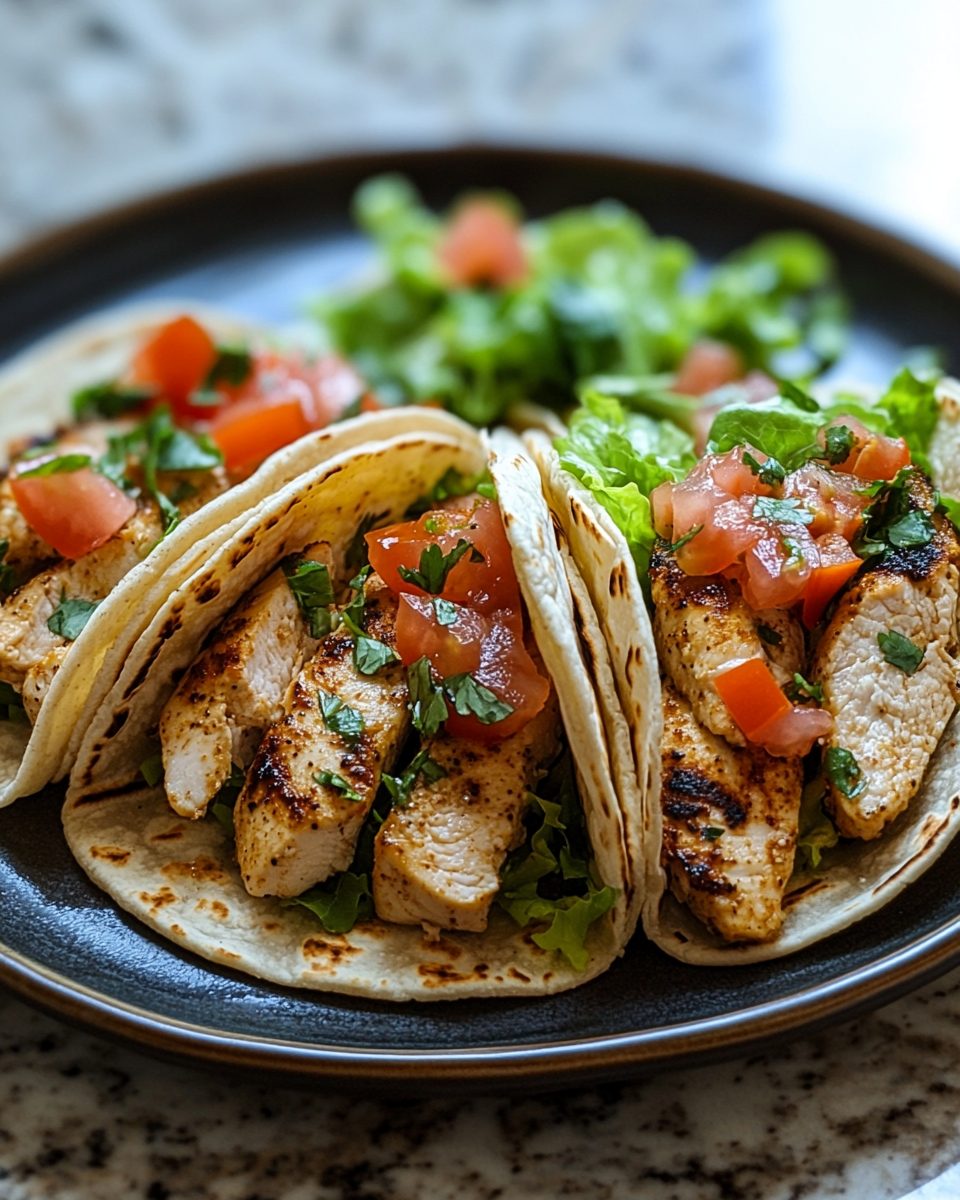
Grilled chicken breast pairs well with roasted vegetables, rice bowls, or fresh greens. It fits into meal preparation routines where protein portions are stored for multiple servings across several days. Wraps and sandwiches also benefit from its firm structure and smoky character.

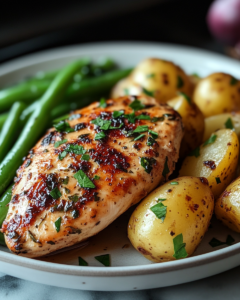
Side dishes such as roasted potatoes, steamed asparagus, or quinoa blends complement its mild seasoning base. Light sauces such as garlic yogurt or herb vinaigrette enhance flavor without overwhelming the grill notes.

This dish appears frequently in outdoor cooking settings, casual dinners, and balanced meal plans. Its adaptability supports both warm and cold serving styles, allowing use in salads or reheated plates.


Nutritional & Health Notes

Grilled chicken breast offers lean protein with minimal carbohydrate content. Its low fat profile supports balanced dietary structures focused on protein intake. Olive oil contributes moderate healthy fats, while garlic and herbs introduce natural aromatic compounds.

Portion control influences overall nutritional balance, especially when paired with starches or sauces. Grilling reduces the need for heavy cooking fats, supporting lighter meal composition.

Sodium levels depend on salt quantity used during seasoning. Adjusting salt allows alignment with dietary preferences without altering core cooking method. Lemon juice and herbs contribute flavor depth without additional calories.


FAQs

How long should chicken rest before grilling?

Resting in marinade typically spans between 30 minutes and several hours. This period allows seasoning to settle into surface layers of the chicken. Extended resting beyond a few hours may intensify flavor without altering texture negatively. Refrigeration during this stage maintains food safety and supports consistent results during grilling.

What temperature suits grill cooking for chicken breast?

Medium-high heat supports proper searing while allowing gradual interior cooking. Excessive heat causes surface burning before full internal completion. Moderate control across flame or electric grill plates supports balanced browning and even doneness across thicker portions of meat.

How can dryness be avoided during grilling?

Moisture retention depends on marinade composition, controlled heat, and resting after cooking. Olive oil and lemon juice assist in maintaining internal moisture. Removing chicken from heat at proper internal temperature prevents overcooking, while resting redistributes juices evenly.

Can frozen chicken be grilled directly?

Frozen chicken requires full thawing prior to grilling. Direct placement onto heat results in uneven cooking, with exterior overexposure and interior undercooking. Gradual thawing under refrigeration supports safe preparation and consistent texture.

What causes grill marks on chicken breast?

Grill marks form through direct contact with heated metal surfaces. Searing reactions occur when surface proteins interact with high temperature, producing brown lines and slight caramelization. Proper preheating supports clear and defined marking patterns.

Which oils perform well for grilling chicken?

Oils with moderate smoke points such as olive oil or avocado oil support grilling conditions. These oils withstand heat without breaking down quickly, maintaining coating stability across chicken surfaces during cooking.

How thick should chicken breast be for grilling?

Even thickness across each piece supports uniform heat distribution. Slight flattening allows consistent cooking from edge to center. Irregular thickness often leads to uneven doneness, requiring longer cooking times that may affect texture.

[rank_math_breadcrumb]

Grilled Chicken Breast (Juicy & Smoky) 7 Simple Smoky Perfection

Photo of author
Author: ahmed va
Published:

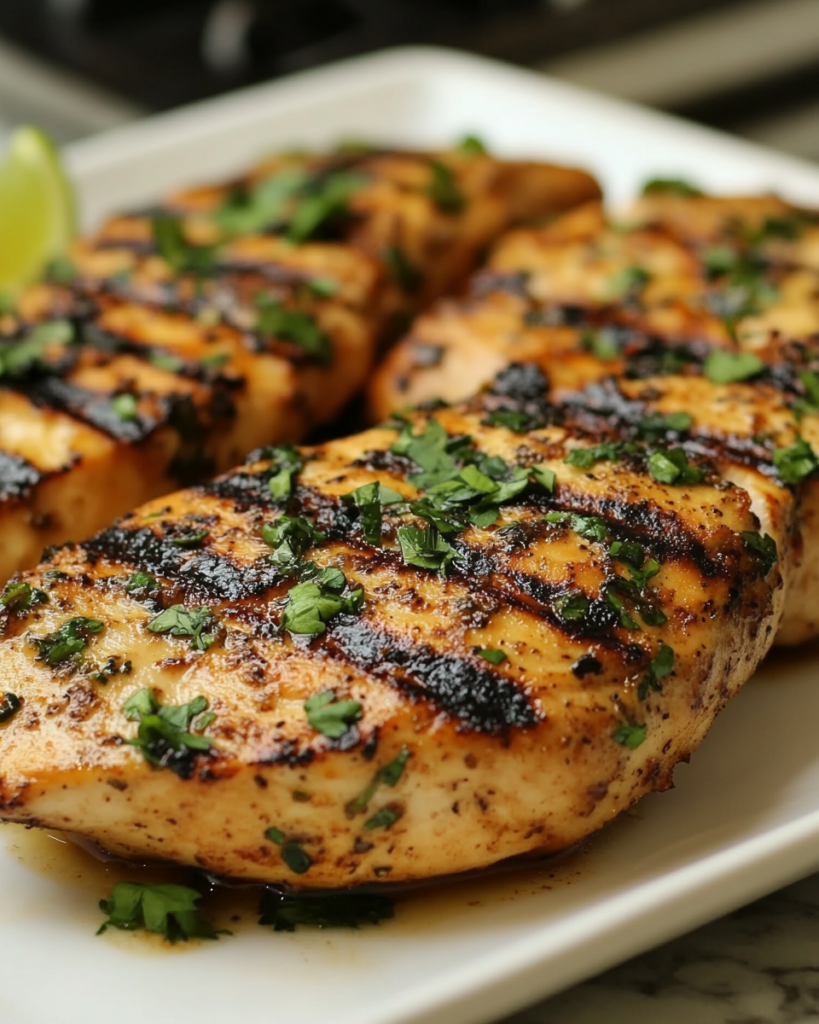
A grilled chicken breast carries deep aroma, firm texture, and charred edges that carry a gentle smoky character. This preparation focuses on balanced seasoning, controlled heat, and careful timing over flame to develop tender slices with rich surface color. Each bite delivers contrast between crisp exterior and moist interior, achieved through steady grill management and a resting period after heat exposure.

The method centers on straightforward kitchen steps and widely available ingredients. A marinade base supports tenderness while layering garlic, paprika, and citrus notes that settle into the meat during resting time. The grill stage introduces caramelization, while indirect heat protects the interior from drying. This combination produces consistent results suited for weekday meals or outdoor cooking sessions.

Grilled chicken breast often appears in meal bowls, salads, wraps, or served alongside roasted vegetables. Its neutral base accepts a wide range of seasoning profiles, from herb-forward blends to spice-heavy rubs. This version leans toward a smoky profile supported by paprika and controlled grill heat, producing balanced depth without heaviness.


Ingredients Overview

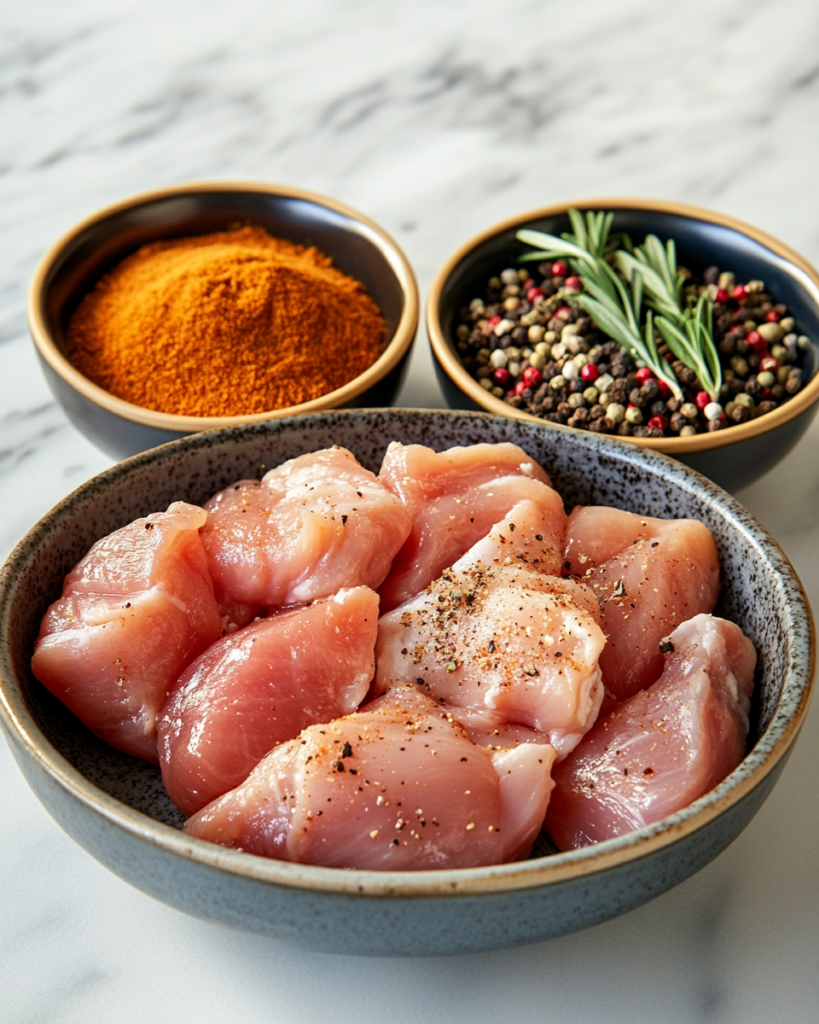
Chicken breast serves as the central protein, valued for its lean structure and mild flavor. Its low fat content requires careful handling during grilling to prevent dryness. Even thickness allows steady heat penetration, so slight flattening supports uniform cooking across the surface.

Olive oil coats the meat and assists in moisture retention while also carrying spices across the surface. Acidic elements such as lemon juice soften muscle fibers and contribute light brightness that balances the smoky notes from grilling.

Garlic provides sharp aromatic depth, blending into the marinade and infusing the meat during resting time. Paprika contributes color and subtle smoke character without overwhelming the palate. Salt supports flavor distribution throughout the chicken, while black pepper adds gentle heat.

Optional additions such as dried oregano or thyme introduce herbal notes that complement the grill aroma. A touch of honey or brown sugar may be included for mild caramelization on the surface, though this remains optional depending on desired flavor direction.

Each ingredient plays a defined role, contributing either moisture control, seasoning depth, or surface browning. The balance between fat, acid, and spice determines final texture and taste.


Ingredients

2 large chicken breasts
2 tablespoons olive oil
1 tablespoon lemon juice
3 cloves garlic, minced
1 teaspoon paprika
1/2 teaspoon black pepper
1 teaspoon salt
1/2 teaspoon dried oregano
1 teaspoon honey (optional)
Cooking spray or additional oil for grill surface


Step-by-Step Instructions

Chicken preparation begins with trimming excess fat and aligning thickness across each piece. Slight flattening using gentle pressure promotes even heat distribution during grilling. This step prevents thin edges from overcooking while thicker sections remain underdone.

A mixing bowl holds olive oil, lemon juice, garlic, paprika, salt, black pepper, oregano, and optional honey. Whisking these components forms a smooth marinade that clings to the chicken surface. Each breast is coated thoroughly and placed into a covered container. Resting time in refrigeration allows seasoning to penetrate deeper layers of the meat structure.

A grill or grill pan is heated to medium-high temperature. Proper preheating supports surface searing, which develops browned ridges and prevents sticking. Light coating of oil across grates further reduces adhesion and assists clean grill marks.

Chicken breasts are placed onto the hot surface without crowding. Contact with heat produces immediate sear lines. After several minutes, natural release from the grill indicates readiness for turning. Each side continues cooking until firm texture develops and internal doneness reaches safe levels.

Internal temperature monitoring confirms completion without overcooking. Removal from heat precedes a resting phase, during which internal juices redistribute across the meat fibers. This pause supports moist texture during slicing.

Slicing follows the grain direction, producing even portions suitable for plating or storage. Juices remain contained when resting is respected, preserving tenderness across each piece.

Common mistakes include excessive heat causing exterior charring before interior completion, or skipping resting time, which leads to moisture loss during cutting. Controlled heat and patience resolve these issues effectively.


Tips, Variations & Substitutions

Different spice blends shift the flavor direction of grilled chicken breast. Smoked paprika can replace standard paprika for deeper smoky tone. Chili flakes introduce sharper heat, while cumin adds earthy depth. Herb mixtures such as rosemary and thyme create a more aromatic profile.

Lime juice may replace lemon juice for a slightly sharper citrus edge. Yogurt-based marinades also work well, introducing creaminess that softens texture further. These variations suit different culinary styles without changing the core grilling method.

Cooking surface choice also influences outcome. Cast iron grill pans create strong sear lines indoors, while outdoor grills provide natural smoke infusion. Adjusting heat levels prevents dryness and supports even browning.

Resting time remains essential across all variations. Cutting too early releases internal moisture and reduces tenderness. A brief pause after grilling stabilizes texture and supports cleaner slices.


Serving Ideas & Occasions

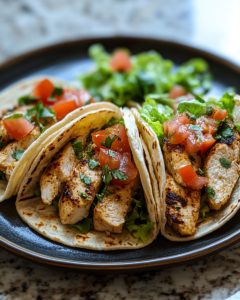
Grilled chicken breast pairs well with roasted vegetables, rice bowls, or fresh greens. It fits into meal preparation routines where protein portions are stored for multiple servings across several days. Wraps and sandwiches also benefit from its firm structure and smoky character.

Side dishes such as roasted potatoes, steamed asparagus, or quinoa blends complement its mild seasoning base. Light sauces such as garlic yogurt or herb vinaigrette enhance flavor without overwhelming the grill notes.

This dish appears frequently in outdoor cooking settings, casual dinners, and balanced meal plans. Its adaptability supports both warm and cold serving styles, allowing use in salads or reheated plates.


Nutritional & Health Notes

Grilled chicken breast offers lean protein with minimal carbohydrate content. Its low fat profile supports balanced dietary structures focused on protein intake. Olive oil contributes moderate healthy fats, while garlic and herbs introduce natural aromatic compounds.

Portion control influences overall nutritional balance, especially when paired with starches or sauces. Grilling reduces the need for heavy cooking fats, supporting lighter meal composition.

Sodium levels depend on salt quantity used during seasoning. Adjusting salt allows alignment with dietary preferences without altering core cooking method. Lemon juice and herbs contribute flavor depth without additional calories.


FAQs

How long should chicken rest before grilling?

Resting in marinade typically spans between 30 minutes and several hours. This period allows seasoning to settle into surface layers of the chicken. Extended resting beyond a few hours may intensify flavor without altering texture negatively. Refrigeration during this stage maintains food safety and supports consistent results during grilling.

What temperature suits grill cooking for chicken breast?

Medium-high heat supports proper searing while allowing gradual interior cooking. Excessive heat causes surface burning before full internal completion. Moderate control across flame or electric grill plates supports balanced browning and even doneness across thicker portions of meat.

How can dryness be avoided during grilling?

Moisture retention depends on marinade composition, controlled heat, and resting after cooking. Olive oil and lemon juice assist in maintaining internal moisture. Removing chicken from heat at proper internal temperature prevents overcooking, while resting redistributes juices evenly.

Can frozen chicken be grilled directly?

Frozen chicken requires full thawing prior to grilling. Direct placement onto heat results in uneven cooking, with exterior overexposure and interior undercooking. Gradual thawing under refrigeration supports safe preparation and consistent texture.

What causes grill marks on chicken breast?

Grill marks form through direct contact with heated metal surfaces. Searing reactions occur when surface proteins interact with high temperature, producing brown lines and slight caramelization. Proper preheating supports clear and defined marking patterns.

Which oils perform well for grilling chicken?

Oils with moderate smoke points such as olive oil or avocado oil support grilling conditions. These oils withstand heat without breaking down quickly, maintaining coating stability across chicken surfaces during cooking.

How thick should chicken breast be for grilling?

Even thickness across each piece supports uniform heat distribution. Slight flattening allows consistent cooking from edge to center. Irregular thickness often leads to uneven doneness, requiring longer cooking times that may affect texture.
Name

Lorem ipsum dolor sit amet, consectetur adipiscing elit. Suspendisse varius enim in eros elementum tristique. Duis cursus, mi quis viverra ornare, eros dolor interdum nulla, ut commodo diam libero vitae erat.

You Might Also Like...

Honey Garlic Chicken Breast (Sweet & Savory) Recipe Article

Honey Garlic Chicken Breast (Sweet & Savory) Recipe Article

Juicy Air Fryer Chicken Breast 7 Quick Amazing Recipe Fresh Sensation

Juicy Air Fryer Chicken Breast 7 Quick Amazing Recipe Fresh Sensation

Garlic Parmesan Chicken Breast Quick 5 Delicious

Garlic Parmesan Chicken Breast Quick 5 Delicious

Juicy Baked Chicken Breast 7 Amazing Cozy Oven Recipe

Juicy Baked Chicken Breast 7 Amazing Cozy Oven Recipe

Tags:

You might also like these recipes

Leave a Comment