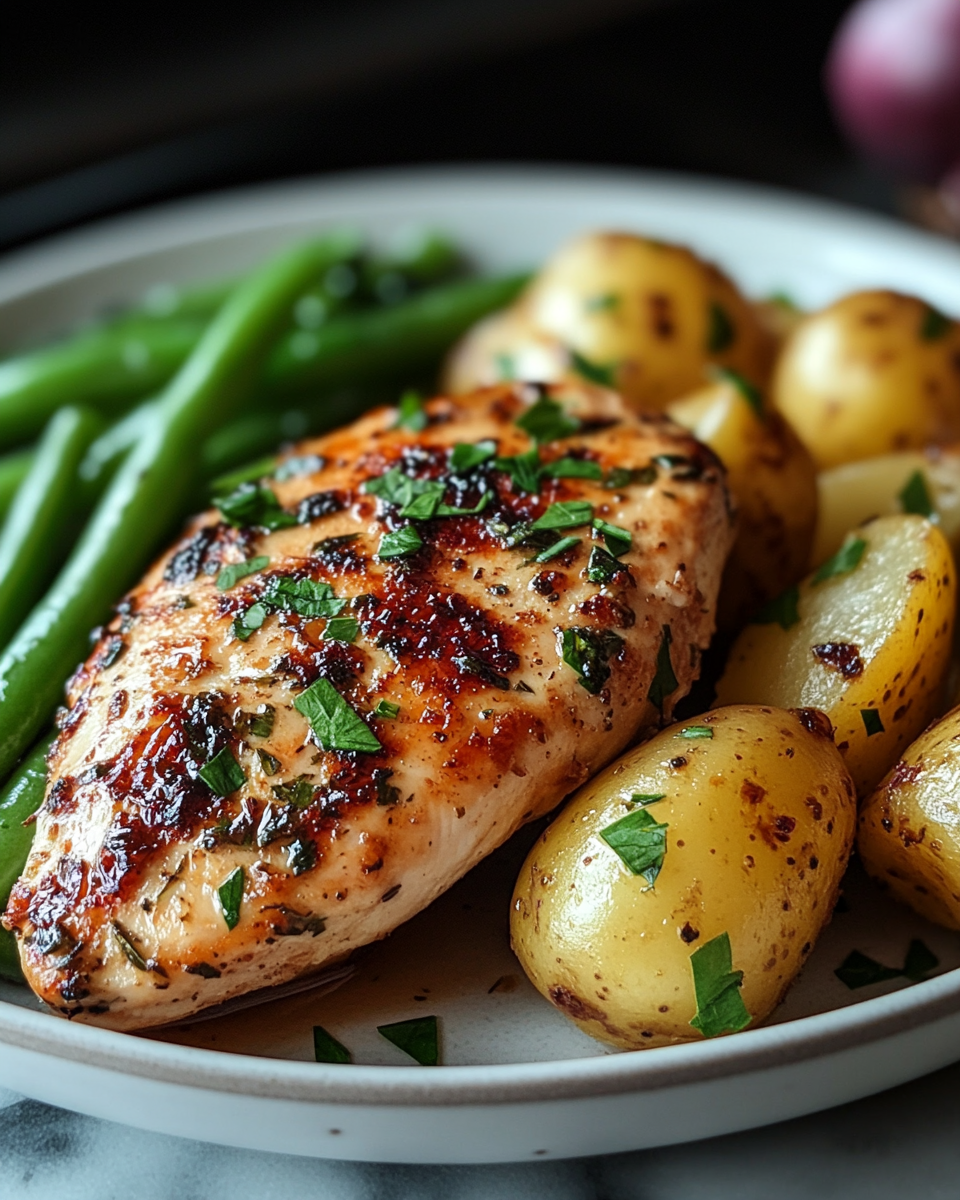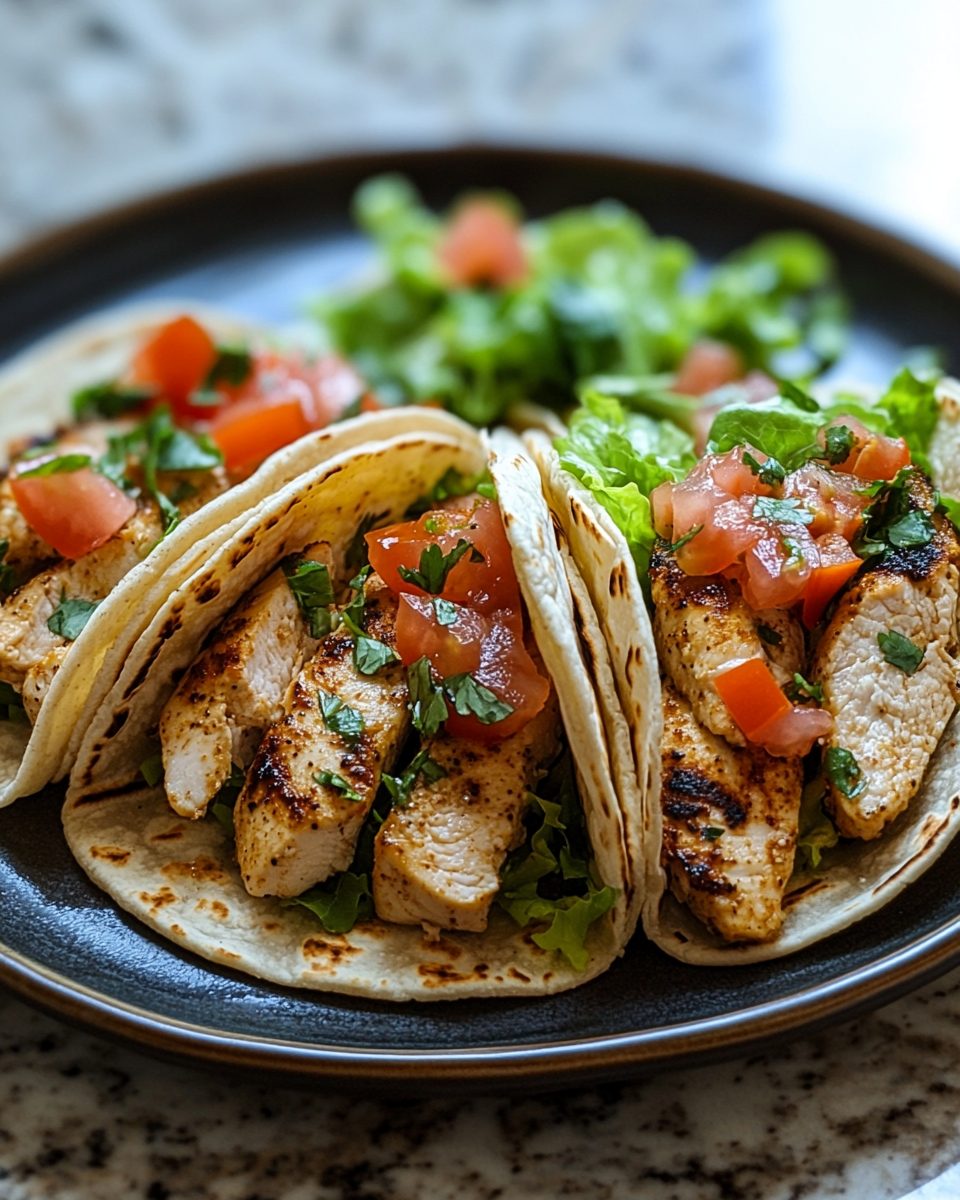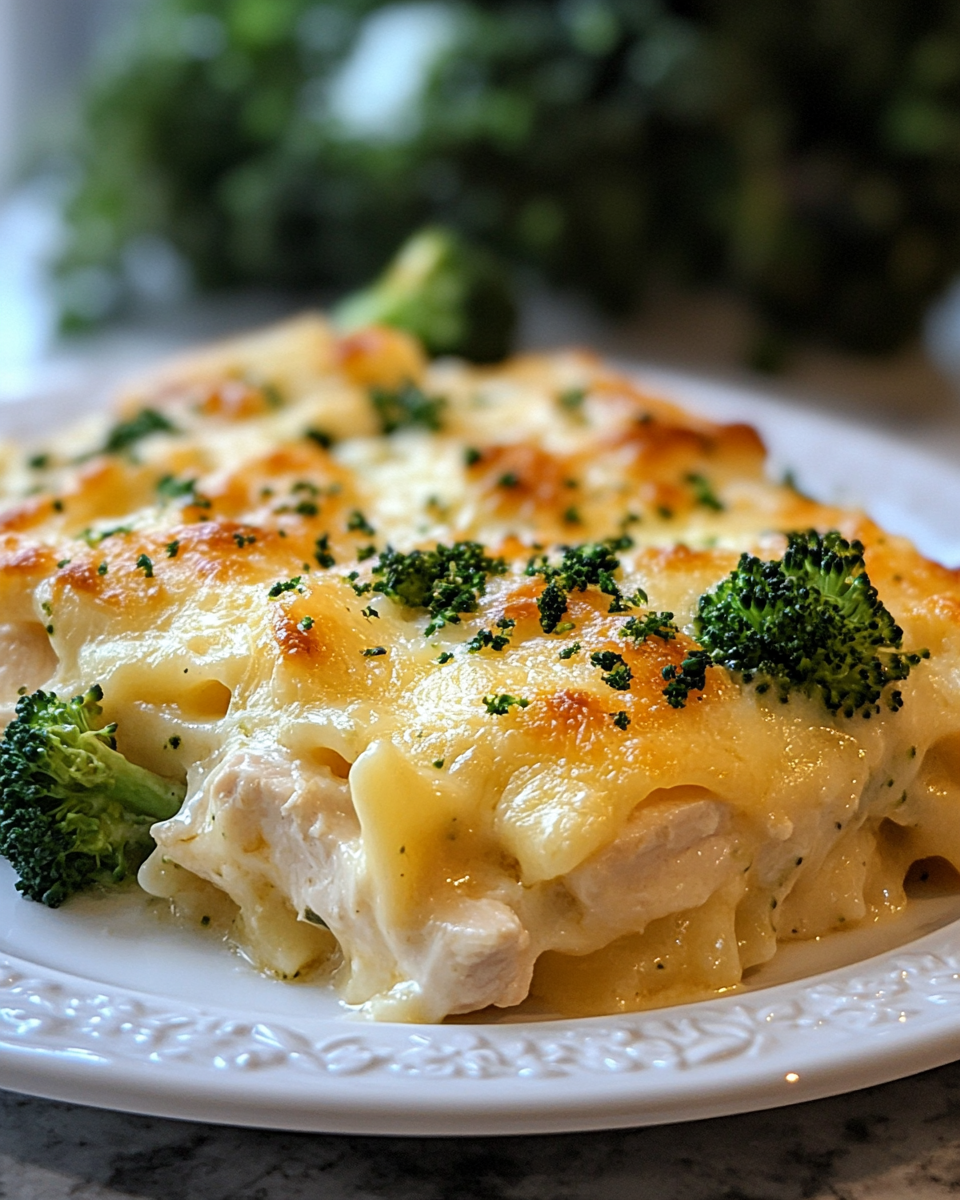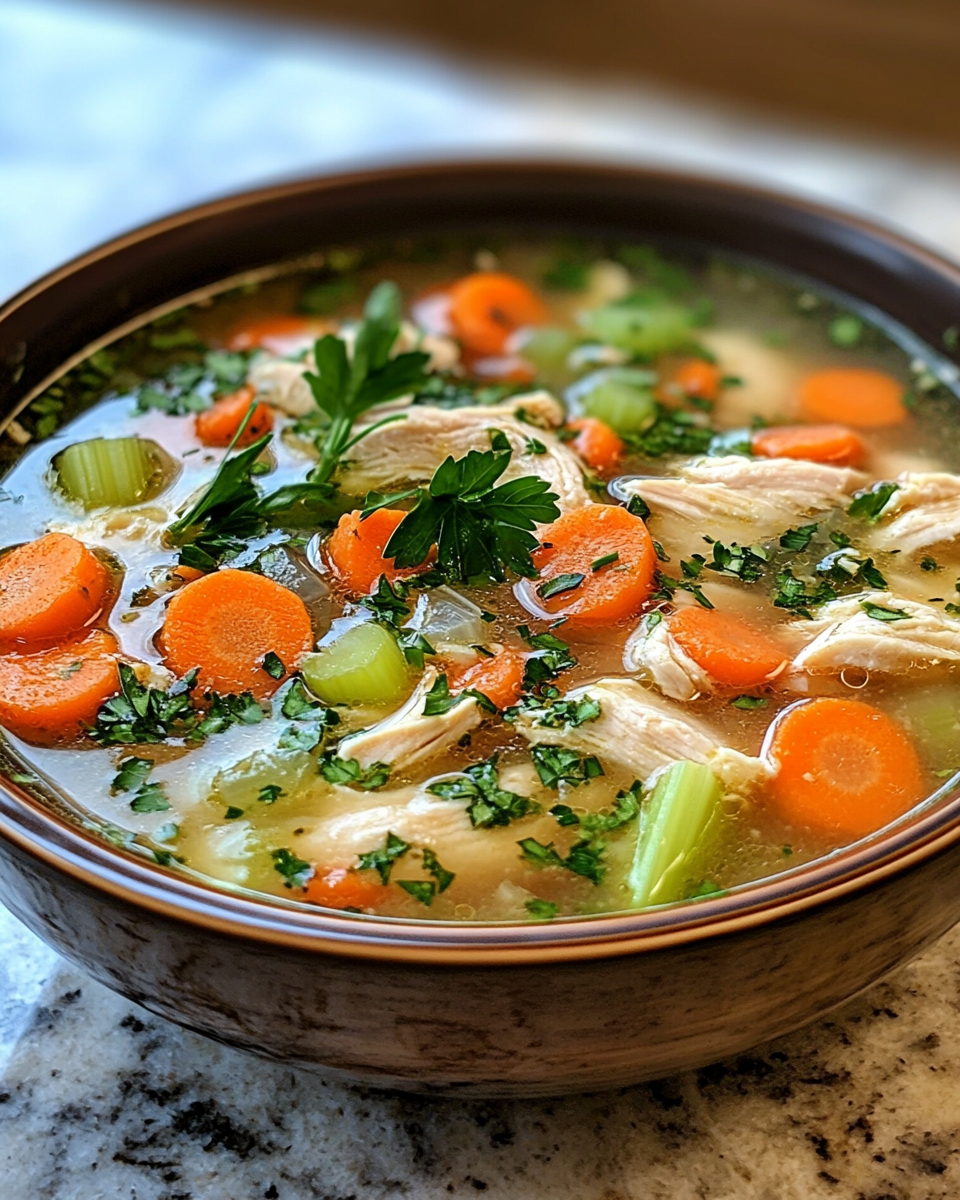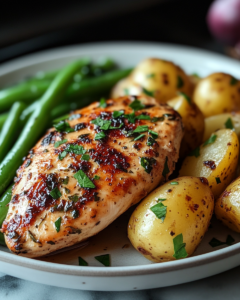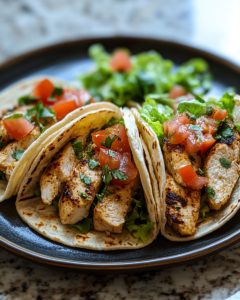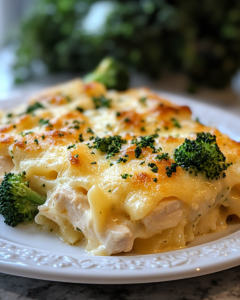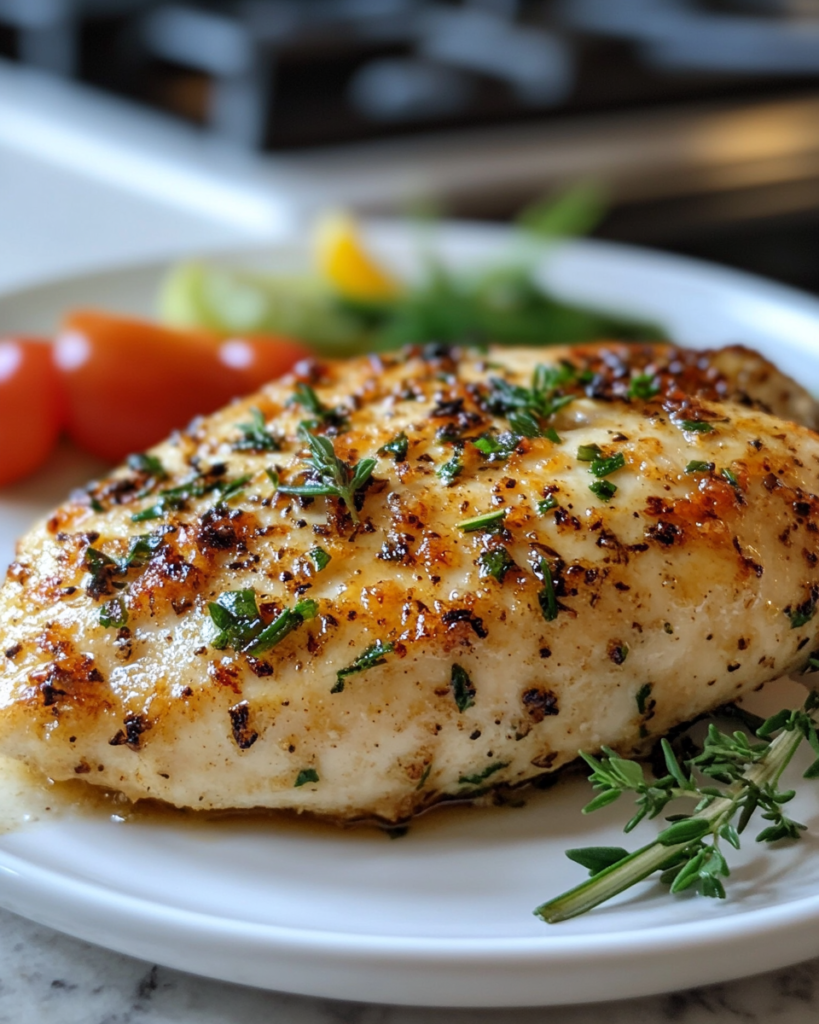
Juicy garlic parmesan chicken breast brings a rich savory coating with tender interior and a golden crust that carries bold garlic and cheese flavor in every slice. This dish centers on simple pantry ingredients combined in a way that produces deep flavor without complicated steps or rare components.
The chicken cooks evenly and stays moist due to a light coating method and controlled heat. Parmesan adds a nutty, salty layer while garlic builds aromatic depth. A touch of seasoning rounds out the profile, creating a dish suitable for weeknight cooking or a relaxed meal spread.
The preparation focuses on balanced heat and a coating that adheres well during cooking. Each bite offers contrast between crisp exterior and soft interior, making the dish satisfying alongside vegetables, grains, or salad-style sides.
Ingredients Overview
Chicken breast serves as the foundation, offering lean protein and a neutral base that absorbs seasoning well. Selecting evenly sized pieces supports consistent cooking so the texture remains tender rather than dry. Slight flattening helps regulate thickness across each portion.
Garlic brings strong aromatic depth. Fresh minced garlic blends into the coating mixture, distributing flavor across the surface of the chicken during cooking. Garlic powder can be included for an added layer of seasoning continuity.
Parmesan cheese contributes a savory, salty profile along with a light crust once exposed to heat. Finely grated parmesan adheres more evenly and melts slightly during cooking, forming a thin flavorful layer.
Flour or breadcrumb coating helps create structure on the surface of the chicken. This layer supports browning and gives texture contrast. Eggs act as a binding agent, allowing seasoning and cheese to stay attached during cooking.
Olive oil or butter supports browning and adds richness. Seasonings such as salt, black pepper, and paprika balance the profile with gentle heat and mild earthiness. Optional herbs like parsley add freshness at the end.
The combination of these ingredients produces a structured coating that clings well and develops a firm exterior while protecting the moisture inside the chicken.
Ingredients
2 large chicken breasts
1 cup finely grated parmesan cheese
1 cup all-purpose flour
2 large eggs
3 cloves garlic, minced
1 teaspoon garlic powder
1 teaspoon paprika
1 teaspoon salt
1/2 teaspoon black pepper
3 tablespoons olive oil
2 tablespoons butter
2 tablespoons chopped parsley
Step-by-Step Instructions
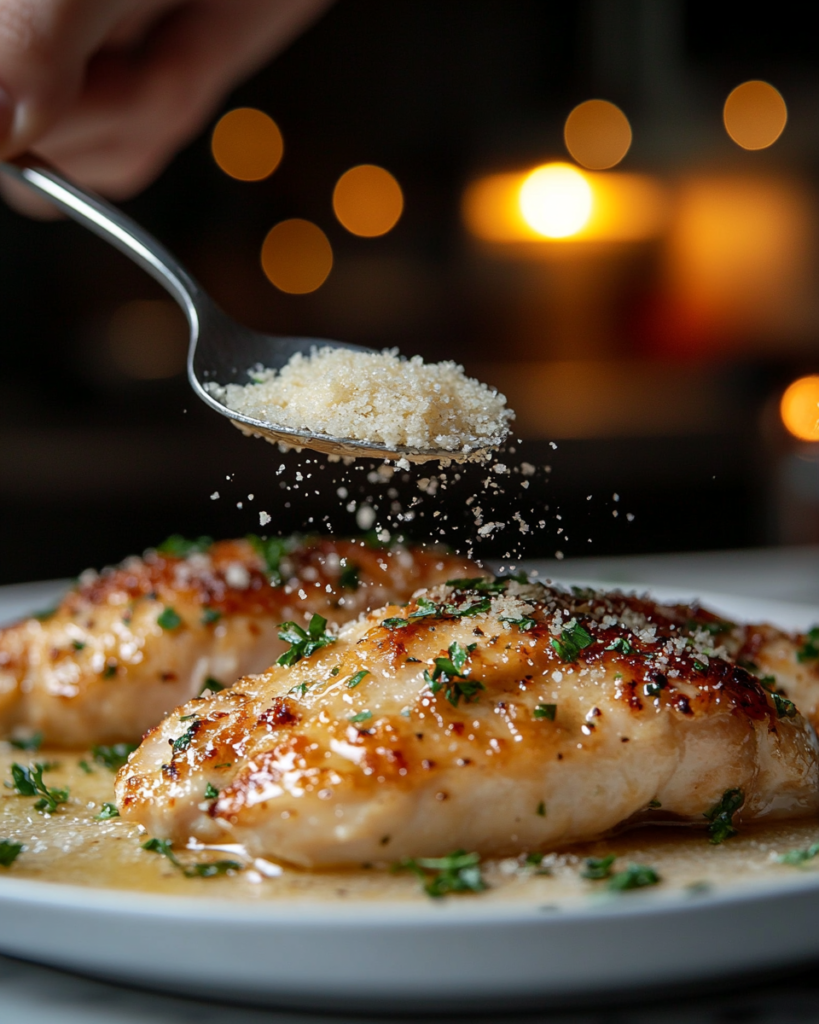
Step 1 begins with preparing the chicken breasts. Place each piece between two sheets of parchment paper and gently press to create an even thickness. This supports uniform cooking and prevents dry edges. Pat the surface dry using a clean cloth or paper towel.
Step 2 focuses on setting up three coating stations. Place flour mixed with salt, pepper, paprika, and garlic powder in a shallow dish. In a second dish, whisk eggs until smooth. In a third dish, combine parmesan cheese with minced garlic.
Step 3 involves coating each chicken breast. First, press the chicken into the flour mixture until fully covered. Shake off excess flour. Dip into the egg mixture, allowing full coverage. Transfer into the parmesan garlic mixture and press gently so the coating adheres well.
Step 4 prepares the cooking pan. Place a skillet over medium heat and add olive oil with butter. Allow the mixture to melt and spread evenly across the pan surface. The fat should shimmer lightly before adding chicken.
Step 5 places coated chicken breasts into the skillet. Cook without movement for several minutes until a golden crust forms on the underside. Turn carefully using tongs and cook the opposite side until evenly browned.
Step 6 moves the skillet into a preheated oven set at a moderate temperature to finish cooking through the center. This step supports juicy texture while maintaining crust integrity. Cooking duration depends on thickness.
Step 7 involves checking doneness. The interior should be fully cooked with no pink areas and juices running clear. Rest the chicken on a plate for several minutes so internal moisture settles.
Step 8 finishes with slicing and serving. Cut across the grain for tender texture and serve while warm so the coating remains crisp.
Tips, Variations & Substitutions
Pounding chicken to even thickness helps prevent uneven cooking. Thin edges often dry out faster than thicker centers, so consistency matters across the surface.
Breadcrumbs can replace flour for a heavier crust texture. Adding a small amount of grated parmesan into breadcrumbs increases savory depth and improves browning.
For a lighter profile, olive oil alone can replace butter in the skillet. Butter adds richness, while oil supports higher heat stability during browning.
Adding dried herbs such as oregano or thyme into the coating mixture introduces subtle aromatic layers. These herbs pair well with garlic and cheese without overpowering the base flavor.
Chicken thighs can be used instead of breasts for a richer texture. Adjust cooking duration slightly due to higher fat content and varying thickness.
Serving Ideas & Occasions
This chicken pairs well with roasted vegetables such as carrots, zucchini, or asparagus. The savory coating complements simple sides without competing flavors.
Mashed potatoes or rice provide a neutral base that absorbs any pan juices from the chicken. A light salad with citrus dressing balances the richness of parmesan and butter.
This dish suits casual dinners, meal preparation routines, or shared family-style meals. It holds texture well after resting, making it suitable for plated servings across a table setting.
A light garnish of chopped parsley or a squeeze of lemon adds freshness at serving, balancing the savory coating.
Nutritional & Health Notes
Chicken breast provides lean protein with low fat content. Parmesan cheese adds calcium and protein along with a concentrated savory flavor.
Cooking with controlled oil and butter keeps fat content moderate while supporting browning and texture development. Adjusting portion sizes allows flexibility in calorie intake.
Garlic contributes aromatic compounds that enhance flavor without additional calories. Herbs introduce freshness without altering nutritional balance significantly.
This dish fits into balanced meal planning when paired with vegetables and whole grains.
FAQs
What keeps chicken breast from drying during cooking?
Even thickness across each piece supports consistent heat distribution. A coating of flour, egg, and parmesan forms a protective layer that helps retain moisture. Cooking over moderate heat rather than high heat prevents surface burning before the interior finishes cooking. Resting the chicken after cooking allows internal juices to settle, keeping texture tender during slicing.
Can boneless chicken thighs replace chicken breast?
Chicken thighs work well in this preparation. They contain higher fat content, which results in a richer texture and slightly deeper flavor. Cooking duration may differ due to thickness and fat distribution. The coating process remains the same, though thighs may produce a slightly heavier crust due to natural moisture content.
What type of parmesan works well for coating?
Finely grated parmesan produces a smoother coating that adheres evenly to chicken. Freshly grated cheese melts lightly during cooking and forms a cohesive crust. Coarsely shredded parmesan can also be used, though it creates a more textured surface after cooking.
Can this dish be prepared ahead of cooking?
Chicken can be coated and stored in a chilled environment for a short period before cooking. This allows coating layers to adhere firmly. Cooking should follow within a reasonable time frame to maintain texture quality. Avoid extended storage after coating to prevent moisture buildup in the crust.
What pan works well for cooking this chicken?
A heavy skillet such as cast iron or stainless steel distributes heat evenly across the surface. This supports consistent browning and crust formation. Nonstick pans also work, though browning may appear slightly lighter compared to heavier cookware.
What side dishes pair with this chicken?
Vegetable-based sides such as roasted carrots, steamed broccoli, or sautéed zucchini pair well. Starch-based sides like rice or mashed potatoes complement the savory coating. Light salads with vinegar or citrus dressing balance richness from parmesan and butter.
How can coating stay attached during cooking?
Pressing chicken firmly into each coating layer helps adhesion. Removing excess flour before dipping into egg prevents clumping. Allowing coated chicken to rest briefly before cooking helps layers settle, improving crust formation during heat exposure.